
Physical Therapy Treatment for Knee Osteoarthritis: Evidence‑Informed Strategies for Clinicians
Knee osteoarthritis (OA) is one of the most common musculoskeletal conditions encountered in clinical practice, making physical therapy treatment for knee osteoarthritis a critical component of long-term patient management. As prevalence continues to rise worldwide, physical therapists and physiotherapists are uniquely positioned to help patients reduce pain, maintain function, and stay physically active despite the progressive nature of the disease.
This article provides an overview of knee OA, outlines practical physical therapy treatment strategies, and highlights current research - particularly emerging evidence supporting adjunctive modalities such as high‑intensity laser therapy.
Overview of Knee Osteoarthritis
Osteoarthritis is the most prevalent musculoskeletal disorder globally, affecting more than 528 million people. ¹ The knee is the most frequently affected joint, accounting for approximately 85% of OA cases.
Knee OA is a chronic, progressive joint disorder characterized by degeneration of articular cartilage, subchondral bone remodeling, and synovial inflammation. As protective cartilage gradually wears down, the knee becomes less capable of absorbing load efficiently. ² Over time, this loss of joint integrity may lead to bone‑on‑bone contact, resulting in pain, swelling, stiffness, and reduced mobility.
As symptoms progress, functional limitations often increase and physical activity declines. This reduction in movement not only worsens OA symptoms but also increases the risk of comorbidities such as obesity, type 2 diabetes, and cardiovascular disease. ¹ For this reason, physical therapy intervention plays a central role in keeping patients mobile and preventing further decline.
Risk Factors for Knee Osteoarthritis
Understanding risk factors is essential when developing an individualized physical therapy treatment plan for knee osteoarthritis. Common contributors include:
- Age: Most prevalent in adults over 55
- Sex: Higher incidence in women
- Obesity: Increased mechanical loading on the knee joint
- Joint injury or overuse: Common in athletes and labor‑intensive occupations
- Genetics: Family history of OA ¹,³
These factors often interact, accelerating symptom onset and disease progression.
Clinical Presentation of Knee OA
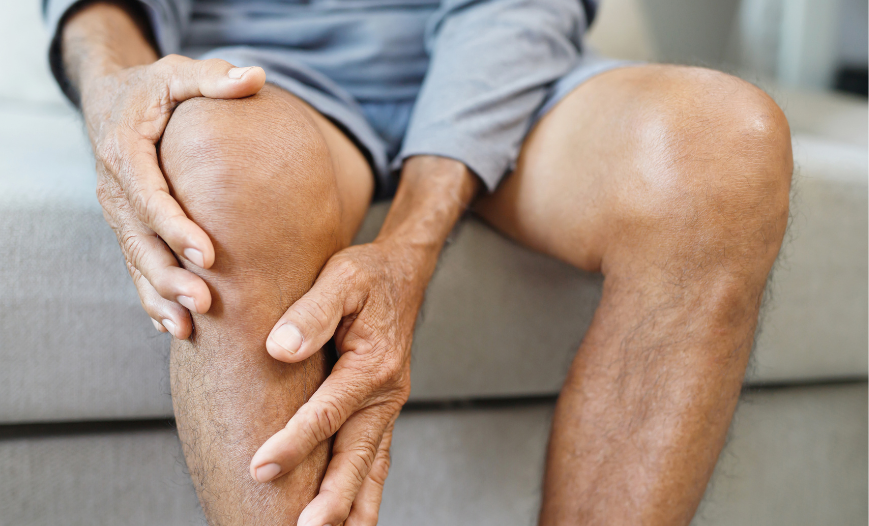
Patients with knee OA may present with a wide variety of symptoms, which can fluctuate over time. Common clinical findings include:
- Pain during or after movement
- Morning stiffness or stiffness following inactivity
- Joint swelling and tenderness
- Reduced range of motion
- Crepitus ¹,³
Because symptom patterns vary between individuals, physical therapy treatment for knee osteoarthritis must be customized to each patient’s impairments and functional goals.
Physical Therapy Treatment for Knee Osteoarthritis: A Multimodal Approach
Knee OA pain arises from both mechanical loading and inflammatory processes, which is why no single intervention is universally effective. Successful management requires a patient‑centered, multimodal strategy.
Key clinical considerations include:
- Pain intensity and timing
- Location of symptoms
- Presence of stiffness or swelling
- Functional and activity limitations
- Muscle weakness or neuromuscular inhibition
The overarching rehabilitation goal is to keep patients active. Exercise and movement are consistently associated with reduced pain, improved function, and slower disease progression. However, pain, swelling, and weakness can interfere with participation - making it essential to address these barriers early in care.
Common Impairments and Physical Therapy Interventions
Joint Stiffness (capsular and soft tissue restrictions)
- Manual therapy
- High‑intensity laser therapy (HILT)
- Extracorporeal shockwave therapy (ESWT)
Pain
- Manual therapy
- Electrical stimulation
- High‑intensity laser therapy
Swelling
- Thermal agents
- Compression
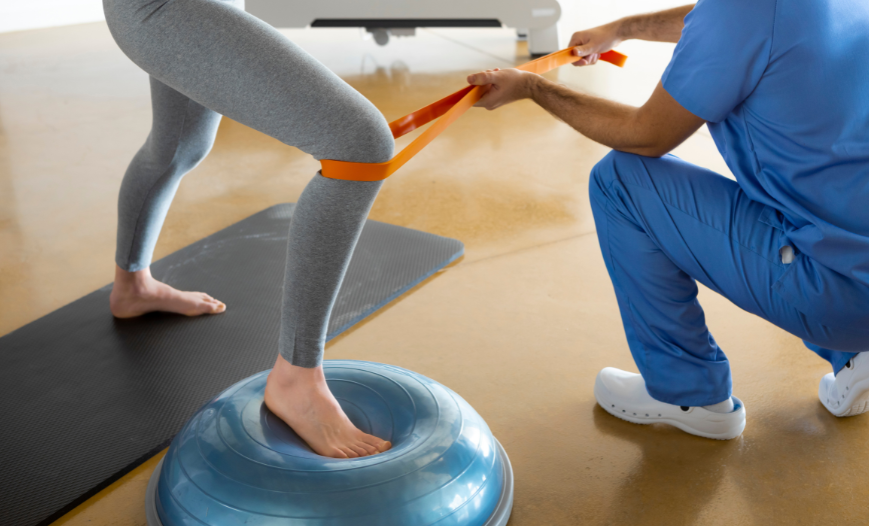
- Therapeutic exercise
Muscle Weakness (pain‑related inhibition)
- Neuromuscular electrical stimulation
- Progressive strengthening
- HILT or ESWT
Reduced Endurance
- Graded aerobic exercise
- Electrical stimulation adjuncts
- Weight management education
Balance and Functional Limitations
- Functional task training
- Strength and endurance programs
- Knee braces or assistive devices
Research Review: Laser Therapy in the Physical Therapy Treatment of Knee Osteoarthritis
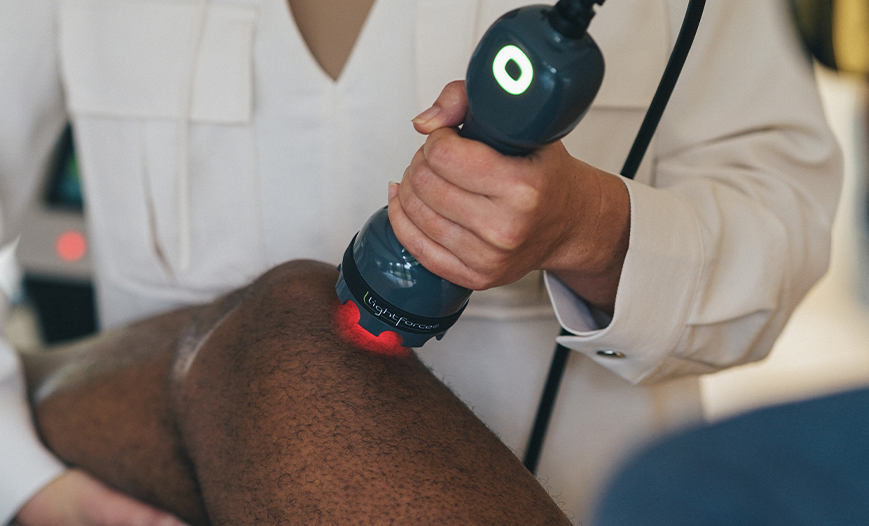
High‑intensity laser therapy has gained significant traction in physical therapy as research increasingly supports its benefits when used alongside exercise for knee OA management.
Systematic Reviews and Meta‑Analyses
A systematic review and meta‑analysis by French et al. ⁴ examined multiple electrophysical modalities used as adjuncts to exercise therapy for knee osteoarthritis. The study concluded that laser therapy was the only modality demonstrating statistically significant short‑term improvements in pain and physical function compared to placebo, underscoring its clinical relevance in physical therapy treatment for knee osteoarthritis.
Additional systematic reviews comparing low‑level laser therapy (LLLT) and high‑intensity laser therapy (HILT) found that while both interventions improved pain, stiffness, and function, HILT was associated with greater clinical improvements, particularly in patients with moderate to severe symptoms.
Randomized Controlled Trials
Nazari et al. ⁵ conducted a randomized controlled trial comparing high‑intensity laser therapy with conventional physiotherapy and exercise alone. At 12‑week follow‑up, patients receiving HILT demonstrated significantly greater improvements in pain and function.
Similarly, a randomized, double‑blind clinical trial by Ahmad et al. ⁶ reported superior outcomes with HILT compared to LLLT when used as an adjunct to rehabilitation exercise programs for knee osteoarthritis.
Collectively, these findings support the integration of laser therapy - especially high‑intensity laser - as a valuable adjunct within comprehensive physical therapy treatment plans.
The Role of Knee Bracing in Physical Therapy Treatment for Knee Osteoarthritis
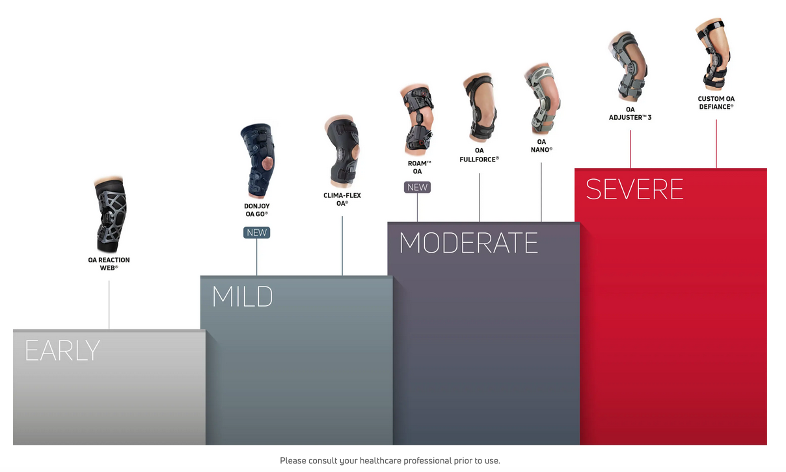
High‑quality knee OA braces may further support rehabilitation by improving joint stability and unloading painful compartments. When appropriately selected, bracing can reduce pain during functional tasks and exercise, allowing patients to move more confidently and remain engaged in physical activity.
When Additional Interventions Are Required
Due to the progressive nature of knee OA, some patients may require adjunct medical or surgical management in conjunction with physical therapy.
Pharmacological options
- Topical NSAIDs
- Oral NSAIDs
- Opioids (used cautiously)
- Intra‑articular corticosteroid or hyaluronic acid injections
Surgical options
- Osteotomy
- Partial knee replacement
- Total knee replacement ²,³
Physical therapy remains essential across all stages - before, during, and after these interventions, to optimize outcomes and restore function.
Clinical Takeaways for Physical Therapists
- Exercise remains the foundation of physical therapy treatment for knee osteoarthritis
- Pain reduction strategies help remove barriers to movement
- High‑intensity laser therapy shows growing evidence as an effective adjunct
- Bracing and assistive devices can support functional activity
- Keeping patients active is critical for long‑term outcomes
Final Thoughts
Effective physical therapy treatment for knee osteoarthritis requires a thoughtful, individualized approach grounded in exercise, supported by evidence‑based adjunctive modalities. By addressing pain, stiffness, weakness, and functional limitations, physical therapists can help patients maintain independence, improve quality of life, and remain active throughout the course of this chronic condition.
Want to learn more on how high-intensity laser therapy could improve outcomes for your patients? Download our eBook
References:
- Osteoarthritis. World Health Organization. Published July 14, 2023. Accessed July 29, 2025. https://www.who.int/news-room/fact-sheets/detail/osteoarthritis/.
- Shtroblia V, Petakh P, Kamyshna I, Halabitska I, Kamyshnyi O. Recent advances in the management of knee osteoarthritis: a narrative review. Front Med (Lausanne). 2025;12:1523027. Published 2025 Jan 21. doi:10.3389/fmed.2025.1523027.
- Knee Osteoarthritis. Cleveland Clinic. Published January 30, 2025. Accessed July 29, 2025. https://my.clevelandclinic.org/health/diseases/21750-osteoarthritis-knee.
- French HP, Cunningham J, Galvin R, Almousa S. Adjunctive electrophysical therapies used in addition to land-based exercise therapy for osteoarthritis of the hip or knee: A systematic review and meta-analysis. Osteoarthr Cartil Open. 2024;6(2):100457. Published 2024 Mar 1. doi:10.1016/j.ocarto.2024.100457
- Nazari A, Moezy A, Nejati P, Mazaherinezhad A. Efficacy of high-intensity laser therapy in comparison with conventional physiotherapy and exercise therapy on pain and function of patients with knee osteoarthritis: a randomized controlled trial with 12-week follow up. Lasers Med Sci. 2019;34(3):505-516. doi:10.1007/s10103-018-2624-4
- Ahmad MA, A Hamid MS, Yusof A. Effects of low-level and high-intensity laser therapy as adjunctive to rehabilitation exercise on pain, stiffness and function in knee osteoarthritis: a systematic review and meta-analysis. Physiotherapy. 2022;114:85-95. doi:10.1016/j.physio.2021.03.011
Individual results may vary. Neither Enovis, DJO, LLC or any of their subsidiaries dispense medical advice. The contents of this post do not constitute medical, legal, or any other type of professional advice. Rather, please consult your healthcare professional for information on the courses of treatment, if any, which may be appropriate for you.