

Total Items
0
0 Item(s)

Modalities
Electrodes & SuppliesHigh Intensity Laser Therapy is a medical treatment that uses light energy (photons) to stimulate a process called Photobiomodulation (PBM). Simply, light changing biological activity. Photons are carried by wavelengths of light that are attracted to chromophores within the tissue. Our 810nm wavelength interacts with the Cytochrome C in the mitochondria resulting in an increased production of ATP. This results in prevention of death (Apoptosis), reduced inflammation, reduced pain, increased microcirculation and improved healing rates. Our 980nm wavelength has a direct influence on nociceptors. Reducing pain both in the short and long term. The main influence being the prevention of calcium release without which pain signals cannot be sent. It is the combination of these two wavelengths that provide the therapeutic effects.
Modalities
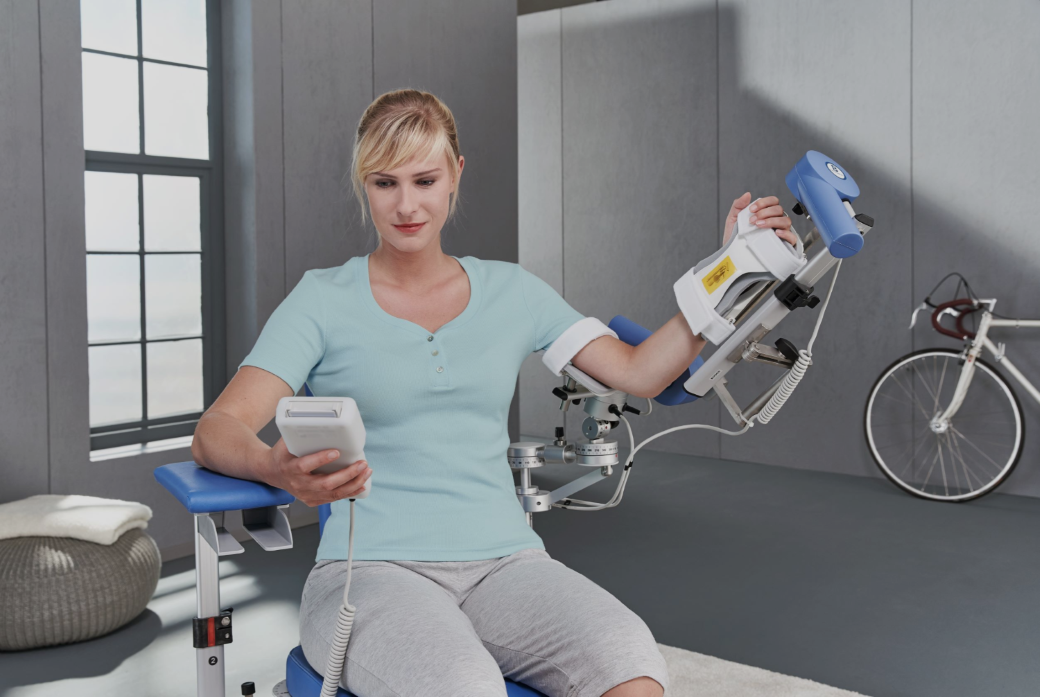
Continuous Passive MotionContinuous passive motion (CPM) is a form of motor-assisted therapy that moves a joint through a prescribed range of motion (ROM) without active patient muscle contraction. CPM therapy is primarily used to prevent the negative effects of immobilization after injury or surgery, helping patients regain joint mobility and achieve optimal functional outcomes. Chattanooga® offers a range of CPM devices designed for durability and ease of use in both clinical and home settings. Parameter selection (range, speed, duration) should be determined by clinician judgment and patient presentation.
Modalities
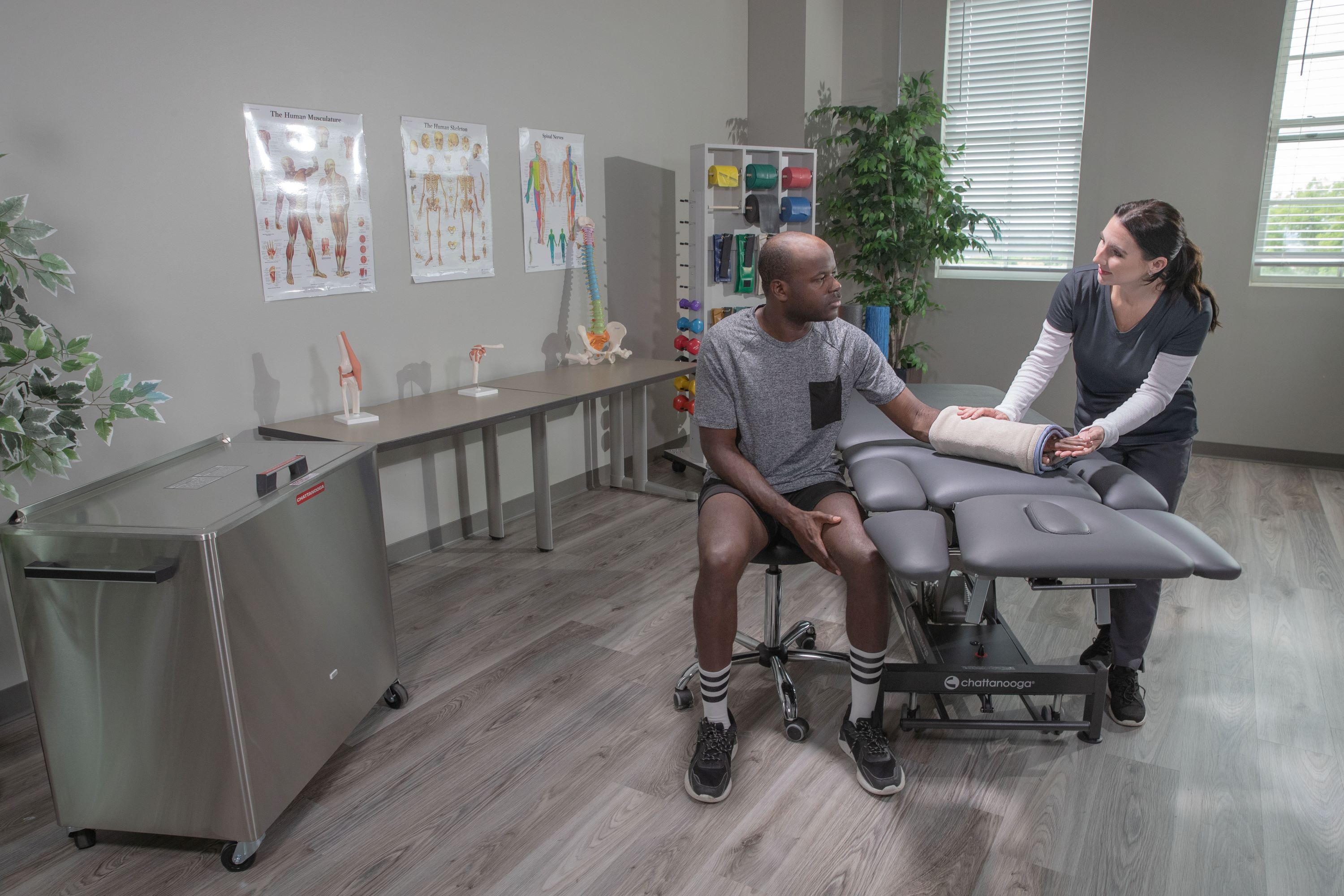
Hot & Cold TherapyHot and cold therapy refers to the therapeutic application of heat or cold to body surfaces to help manage pain, support recovery, and improve physical comfort. These temperature-based modalities are widely used to address musculoskeletal conditions, soft tissue injuries, and general discomfort. Heat therapy is commonly applied to promote circulation, improve tissue flexibility, reduce joint stiffness, and ease muscle tension. It is often used for chronic conditions, muscle tightness, and non-acute discomfort. Cold therapy is typically used to help reduce inflammation, swelling, and acute pain. By lowering tissue temperature, cold application may help slow nerve conduction and provide a temporary analgesic effect. It is frequently utilized following injury or during acute flare-ups. All application parameters, including temperature, duration, and placement, should be determined by clinician judgment and patient presentation.
Modalities
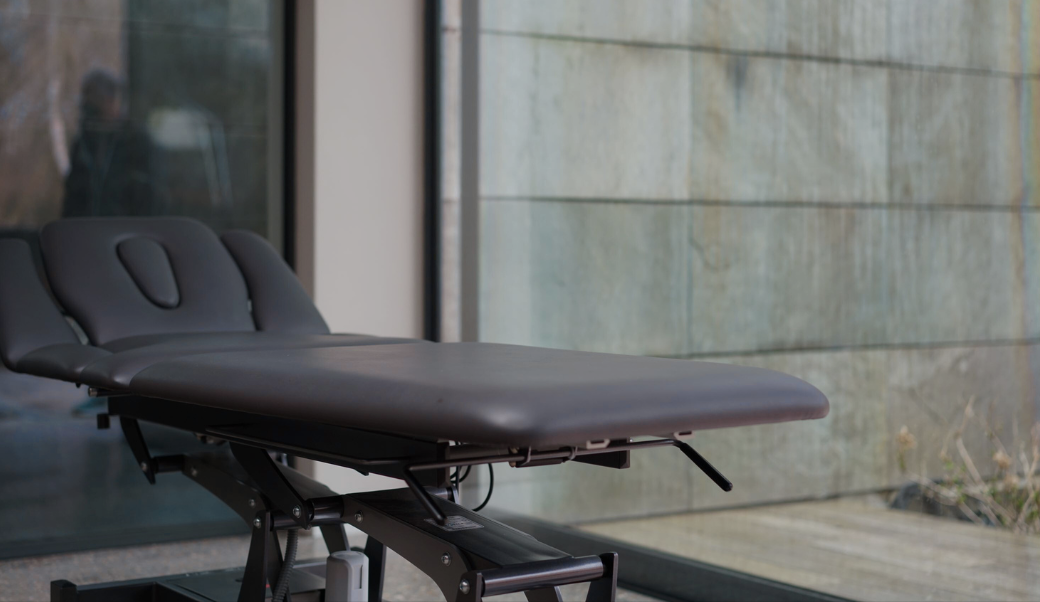
Treatment TablesA treatment table is a medical device designed to support patients during clinical evaluation and therapy. In rehabilitation settings, treatment tables are used to facilitate manual therapy, evaluations, and massage treatment by enabling patient positioning and supporting clinician ergonomics through adjustable height and section configurations. Treatment tables do not provide a therapeutic effect on their own. They serve as support platforms for trained professionals as part of conservative rehabilitation workflows.
Modalities
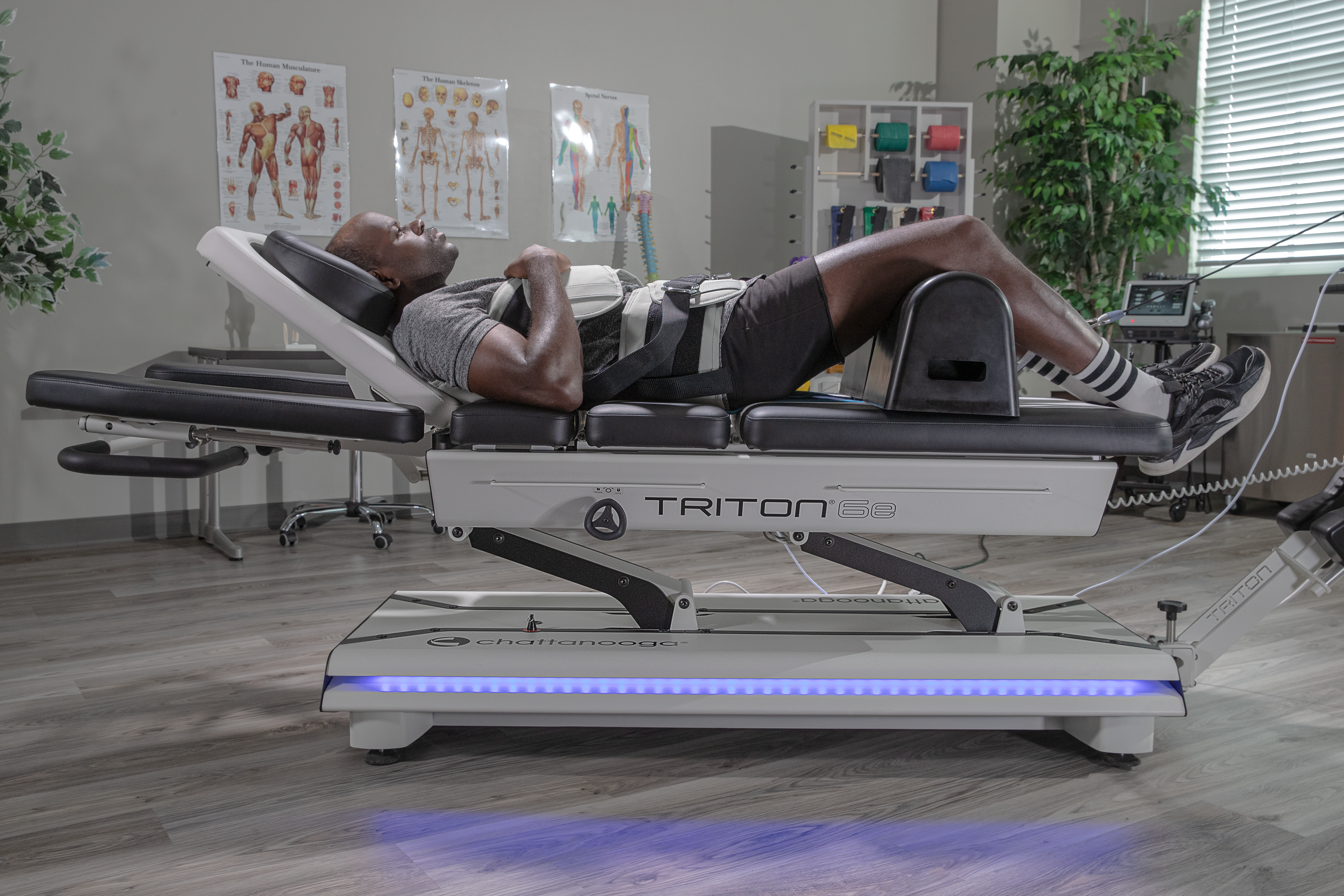
Traction TherapyChattanooga® traction systems like the Triton DTS® system are designed to deliver mechanical traction and mobilization of skeletal structures. Unlike simple static methods, the Triton DTS system can be programmed for static, intermittent, and cyclic traction therapy. By applying controlled distraction forces to the cervical or lumbar spine, the system helps relieve pressure on structures causing pain, such as herniated discs and nerve roots. The programmable patterns allow clinicians to customize the treatment session to the patient's specific acuity and tolerance.
Modalities
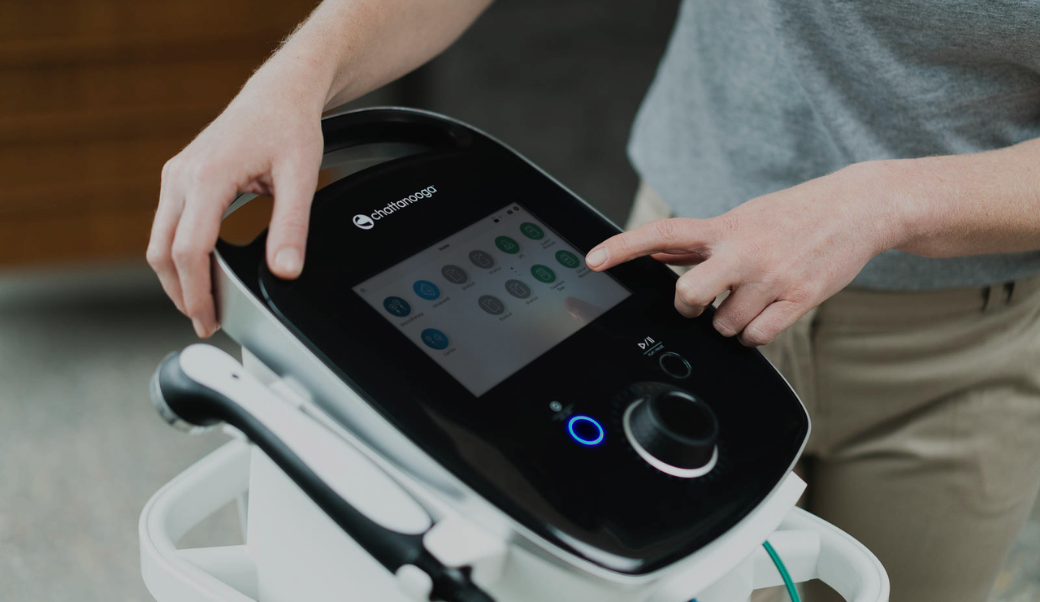
ElectrotherapyElectrotherapy involves the application of controlled electrical currents through surface electrodes placed on the skin. These currents interact with sensory nerves and motor units to influence neuromuscular responses depending on the selected waveform and parameters. Waveform selection, intensity, pulse duration, frequency, electrode placement, and treatment timing are determined by clinician judgment and patient presentation. Electrotherapy is most effective when strategically integrated into a broader plan of care that includes movement, progressive loading, and functional retraining.
Basic page
The Winning Combination TYTHANK YOU FOR DOWNLOADING The Winning Combination: Combining HILT & ESWT Report About Us
Blog post
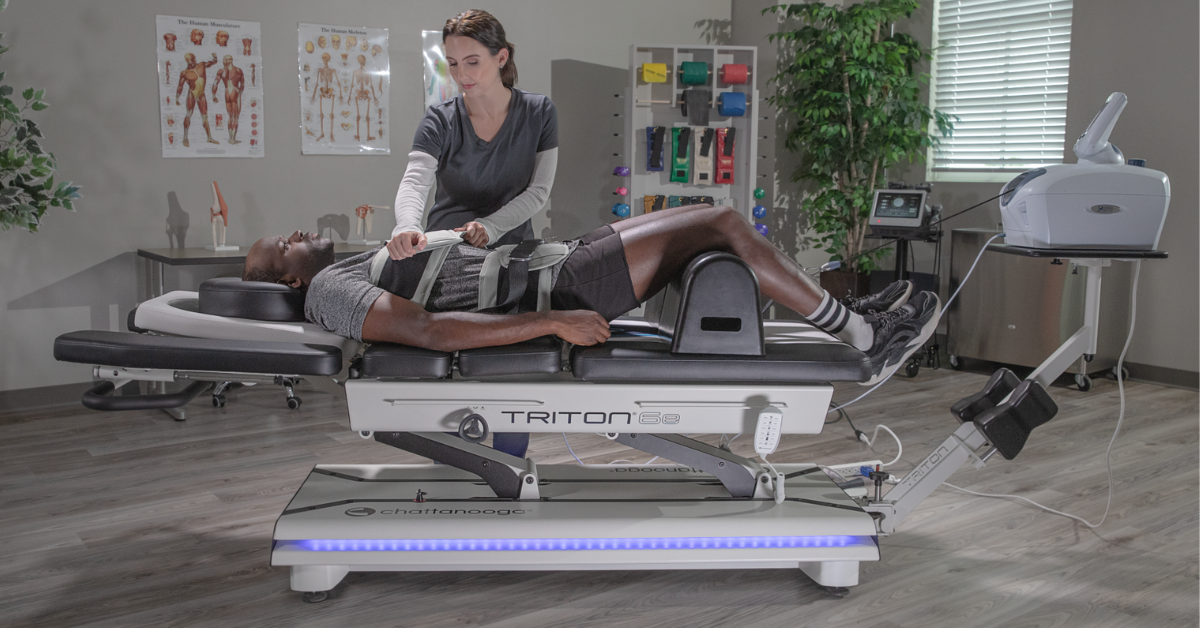
Comparison of the Effectiveness of Traditional Motorized Traction and Non-surgical Spinal Decompression Therapy Added to Conventional Physiotherapy for Treatment of Chronic Low Back PainSevda Adar, Onurhan Apaydın, Umit Dündar, Hasan Toktas, Hilal Yesil, Selma Eroglu, Nuran Eyvaz Originally published: Cureus 16(9): e69610. doi:10.7759/cureus.69610, September 14, 2024 Background: There are a limited number of studies comparing traditional motorized traction and non-surgical spinal decompression with other treatment options such as conventional motor traction in the treatment of low back pain caused by lumbar discopathy. This retrospective study aimed to compare the effectiveness of these treatments. Methods: The retrospective data of patients diagnosed with lumbar discopathy who underwent physical therapy in our clinic were reviewed. Demographic data, duration of their symptoms, physical examination findings, lumbosacral magnetic resonance imaging (MRI) reports, method and duration of treatment, and visual analog scale (VAS) and Oswestry Disability Index (ODI) results were recorded. Results: A total of 160 patients met the inclusion criteria. Their mean age was 44.6±12.4 (range 21-65) years, 57.5% (n=92) were female, and 42.5% (n=68) were male. There were no differences between the conventional physiotherapy, motorized traction, and spinal decompression groups in terms of age, duration of symptoms, and the number of sessions (p>0.05). In all three groups, the mean scores of VAS and ODI were significantly decreased in the pre-and post-treatment comparisons (p<0.005). The rates of change in VAS and ODI were higher in the traction group and spinal decompression group compared to the conventional treatment (p<0.005). Conclusion: In patients with subacute and chronic lumbar discopathies, motorized traction and spinal decompression treatments added to conventional treatment were found to be more effective than conventional treatment alone. The results of spinal decompression and conventional motorized traction treatments appear to be similar. Image Copyright © 2024, Adar et al. Patients who received motorized traction treatment with the Chattanooga Triton Traction Machine 4798 for three days a week in addition to conventional physiotherapy were included in the Motorized Traction Group. References: Burden of chronic low back pain: Association with pain severity and prescription medication use in five large European countries. Perrot S, Doane MJ, Jaffe DH, et al. Pain Pract. 2022;22:359–371. - PMC - PubMed What low back pain is and why we need to pay attention. Hartvigsen J, Hancock MJ, Kongsted A, et al. Lancet. 2018;391:2356–2367. - PubMed Clinical efficacy of mechanical traction as physical therapy for lumbar disc herniation: a meta-analysis. Wang W, Long F, Wu X, Li S, Lin J. Comput Math Methods Med. 2022;2022:5670303. - PMC - PubMed Nonsurgical treatments for patients with radicular pain from lumbosacral disc herniation. Lee JH, Choi KH, Kang S, et al. Spine J. 2019;19:1478–1489. - PubMed Effectiveness of mechanical traction for lumbar radiculopathy: A systematic review and meta-analysis. Vanti C, Panizzolo A, Turone L, Guccione AA, Violante FS, Pillastrini P, Bertozzi L. Phys Ther. 2021;101:0. - PubMed
