

Total Items
0
0 Item(s)

Blog post
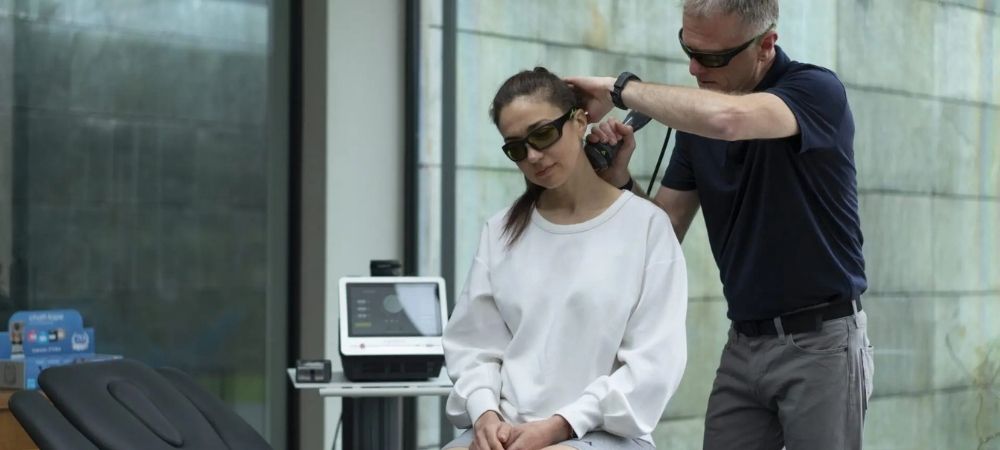
The Science Behind Photobiomodulation: How Light Impacts CellsAt first glance, it might seem surprising that light could help the body recover. But photobiomodulation therapy (PBMT) has been shown to do just that—by stimulating the body at the cellular level. In this article, we’ll take a deep dive into the science behind PBMT: how it works, what it does inside your cells, and why it’s such a powerful treatment for pain and recovery. Here’s What You Really Need to Know Photobiomodulation works by delivering red and near-infrared light into body tissues, where it’s absorbed by Cytochrome C Oxidase in the mitochondria. This, in turn, stimulates ATP production, generates nitric oxide production, modulates reactive oxygen species, and triggers the body’s natural cellular repair processes, resulting in faster recovery, and pain relief. The Cellular Engine: Mitochondria Mitochondria are often called the “powerhouses” of the cell. These tiny organelles produce adenosine triphosphate (ATP)—the fuel cells use for energy. ATP powers everything from muscle contraction to tissue repair. When cells are injured, mitochondrial function and ATP production can be impaired. That’s where PBMT makes a difference. Image How PBMT Stimulates Cellular Response When certain wavelengths of light penetrate tissues, it’s absorbed by cytochrome c oxidase (COX) in the mitochondria. This key enzyme is responsible for facilitating the final step in the electron transport chain, where ATP is generated. Here’s what happens next: Increased ATP Production – Cells get more energy to repair. Modulation of reactive oxygen species (ROS), which can activate cellular metabolism Release of Nitric Oxide (NO) – This improves local blood flow and oxygenation. Activation of signaling molecules and growth factors, resulting in cell proliferation and tissue repair. Key Physiological Effects of PBMT Effect Result ATP increase Tissue repair pathways activated Nitric oxide release Better temporary blood flow Anti-inflammatory cytokines Pain reduction Clinical Applications Supported by Research Photobiomodulation has been extensively studied in areas such as pain management, musculoskeletal injury recovery, and arthritis. According to a systematic review by Hashmi et al. and data compiled by experts in the field, over 700 randomized controlled trials and more than 4,000 peer-reviewed articles have investigated the effects and efficacy of PBMT across a wide range of conditions. What Makes PBMT Different from Other Therapies? Unlike heat therapies, medications, or TENS devices, PBMT: Addresses the cause of pain at the cellular level Has the potential to deliver long-term pain relief Is non-pharmacological and non-invasive Supports both acute and chronic conditions It’s a biostimulatory therapy—meaning it enhances the body’s natural cellular repair processes. Image LightForce®: Research-Driven Photobiomodulation LightForce® lasers are engineered with dose control, wavelength precision, and real-time feedback, allowing clinicians to customize treatment based on condition, depth, and size of the injury. Our Class IV therapy lasers are trusted by: Professional sports medicine teams Physical therapists, chiropractors, rehab centers, and hospital systems Physicians specializing in pain and orthopedics We’re leading the way in evidence-based photobiomodulation. References Hashmi, J.T., Huang, Y.Y., Osmani, B.Z., Sharma, S.K., Naeser, M.A., & Hamblin, M.R. (2010). Role of low-level laser therapy in neurorehabilitation. PM&R, 2(12 Suppl 2), S292–S305. https://doi.org/10.1016/j.pmrj.2010.10.013 Hamblin, M.R. (2017). Mechanisms and applications of the anti-inflammatory effects of photobiomodulation. AIMS Biophysics, 4(3), 337–361. https://doi.org/10.3934/biophy.2017.3.337 Chow, R.T., Johnson, M.I., Lopes-Martins, R.Á.B., & Bjordal, J.M. (2009). Efficacy of low-level laser therapy in the management of neck pain: A systematic review and meta-analysis of randomized placebo or active-treatment controlled trials. The Lancet, 374(9705), 1897–1908. https://doi.org/10.1016/S0140-6736(09)61522-1
Blog post
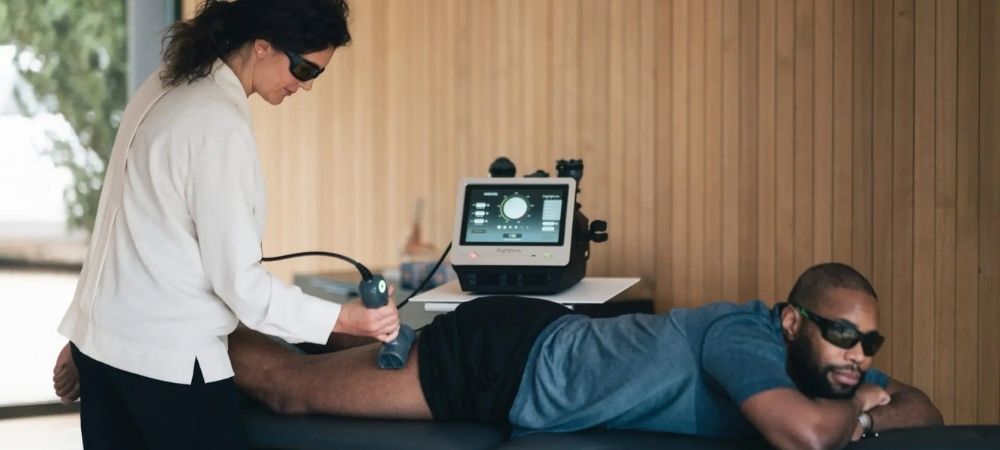
What Conditions Can Photobiomodulation Treat?Photobiomodulation therapy (PBMT) has become one of the most versatile and impactful non-invasive treatment options for a wide range of conditions. By using targeted red and near-infrared light, PBMT helps reduce pain at the cellular level—without drugs or surgery. If you’re wondering what PBMT is capable of treating, this post outlines its most common and clinically supported applications. Here’s What You Really Need to Know Photobiomodulation therapy with LightForce® lasers treats a wide range of conditions, including acute and chronic pain, arthritis, and soft tissue injuries. It works by complementing the body’s natural cellular repair processes through targeted near-infrared light. Image How PBMT Works Across the Body The power of PBMT lies in its ability to impact biochemical pathways in the cells. By delivering light energy deep into tissues, it: Stimulates ATP production Modulates reactive oxygen species Improves temporary circulation and oxygenation Activates cellular growth and repair pathways These biological effects make PBMT effective across multiple musculoskeletal conditions Conditions Treated with PBM Pain Associated with Musculoskeletal & Joint Conditions Arthritis Tendinitis / Tendinopathy Sprains and strains Plantar fasciitis TMJ (jaw joint pain) Neck Lower Back Tennis elbow Frozen shoulder Image Clinical Validation and FDA Cleared Indications LightForce® PBMT systems are: Indicated for pain reduction and the temporary increase in circulation Used in thousands of hospitals, rehabilitation centers, sports teams, and clinics across the world Safe, non-pharmacological, and non-invasive LightForce®: A Leader in PBMT Applications Whether you’re treating a chronic condition or helping patients recover from an injury, LightForce® lasers help provide consistent, high-powered therapeutic results that traditional red light or LED devices cannot match. Explore the full scope of our photobiomodulation therapy options and learn why LightForce® is trusted by healthcare professionals worldwide. References Roberts DB, Kruse RJ, Stoll SF. The effectiveness of therapeutic class IV (10 W) laser treatment for epicondylitis. Lasers Surg Med. 2013 Jul;45(5):311-7. doi: 10.1002/lsm.22140. Epub 2013 Jun 3. PMID: 23733499. https://pubmed.ncbi.nlm.nih.gov/23733499/ Alayat MS, Atya AM, Ali MM, Shosha TM. Long-term effect of high-intensity laser therapy in the treatment of patients with chronic low back pain: a randomized blinded placebo-controlled trial. Lasers Med Sci. 2014 May;29(3):1065-73. doi: 10.1007/s10103-013-1472-5. Epub 2013 Nov 2. https://pubmed.ncbi.nlm.nih.gov/24178907/ Song HJ, Seo HJ, Kim D. Effectiveness of high-intensity laser therapy in the management of patients with knee osteoarthritis: A systematic review and meta-analysis of randomized controlled trials. J Back Musculoskelet Rehabil. 2020;33(6):875-884. doi: 10.3233/BMR-191738. PMID: 32831189. https://pubmed.ncbi.nlm.nih.gov/32831189/ Related Blog: Is Photobiomodulation Therapy Safe? Risks, Side Effects & Research Discover the Full Potential of High-Intensity Laser Therapy If your patients suffer from any of the conditions above, there’s a safe, drug-free path to relief.Schedule a LightForce® demonstration today and see the impact of laser therapy on your patient outcomes.

Blog post
Is Photobiomodulation Therapy Safe? Risks, Side Effects & ResearchWhen it comes to medical treatments, safety is always the first concern—and rightfully so. If you’re considering adding photobiomodulation therapy (PBMT) to your treatment plans for pain relief , you might be wondering: Is this therapy safe? The short answer is yes. PBMT is a safe, non-invasive treatment that has been used for decades. There are several devices that deliver PBMT that are FDA-cleared for pain relief, and there are few known side effects. Here’s What You Really Need to Know Photobiomodulation therapy is safe, non-invasive, and drug-free. LightForce® Laser Therapy uses specific wavelengths of near-infrared light to stimulate the body at the cellular level. PBMT is backed by numerous clinical studies. What Makes PBMT Safe? Unlike medications or surgery, PBMT: Does not break the skin Does not involve chemicals Does not require down time Image What the FDA and Clinical Research Say Photobiomodulation therapy is: Indicated for temporary relief of minor muscle and joint pain and stiffness, minor arthritis pain, or muscle spasm, the temporary increase in local blood circulation, and the temporary relaxation of muscle. Endorsed by clinical bodies such as WALT (World Association for Photobiomodulation Therapy) Backed by a substantial body of peer-reviewed research PBMT has been used in: Physical therapy Chiropractic Sports medicine Podiatry Orthopedics And is widely accepted as a safe adjunct or alternative to more invasive interventions. Possible Side Effects of PBMT In some cases, patients may experience mild, short-term effects, such as: Redness or skin irritation Temporary increase in symptoms Skin warmth or tingling in the treated area Soreness or discomfort Who Should Be Cautious? While PBMT is safe for most people, certain precautions apply: Pregnant individuals – Avoid direct treatment over the abdomen and lower back Patients with cancer – Avoid treating around tumors Patients with pacemakers – Avoid treating over the pacemaker or in the chest area Photosensitive or heat sensitive medication users – Inform your provider before treatment Children – avoid treating near or directly over growth plates Providers who purchase a LightForce® therapy laser receive training to identify these contraindications and adjust protocols accordingly. PBMT vs Common Alternatives Treatment Invasive? Side Effects Recovery Needed PBMT No Minimal None Pain Medications No Yes (GI, liver, addiction) None Corticosteroid Injections Yes Yes (tissue breakdown) Limited Surgery Yes Depending on the surgery, may be high risk Yes (weeks-months) Photobiomodulation offers a low-risk treatment option for helping address pain. Image Why LightForce® PBMT Is Safe LightForce® therapy lasers are engineered for: Customizable power output Precision targeting Built-in safety protocols Continuous provider feedback during treatment We work closely with healthcare providers to ensure dosing accuracy, treatment consistency, and patient safety every time. Related Blog: Photobiomodulation for Joint Pain: How It Helps Knees and Shoulders The Smart Way to Treat with LightForce® Laser Therapy If you’re looking to provide your patients with a safe alternative to medication or surgery, LightForce® photobiomodulation therapy is a research-supported, non-invasive choice.Schedule a demonstration today.
Blog post
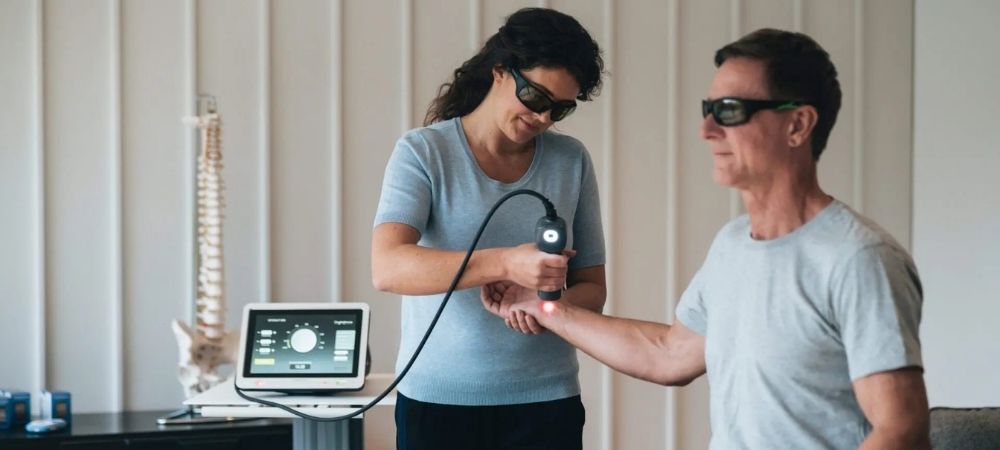
Photobiomodulation for Joint Pain: How It Helps Knees, Shoulders, and MoreJoint pain is one of the leading causes of disability—affecting people of all ages. Whether it stems from arthritis or injury, finding a non-invasive, drug-free treatment option is a top priority for many. Photobiomodulation therapy (PBMT) offers a safe alternative to painkillers and surgery. By delivering targeted laser light into joints, PBMT helps relieve pain, and improve mobility in knees, shoulders, and more. Here’s What You Really Need to Know Photobiomodulation therapy reduces joint pain by stimulating the body’s natural cellular repair processes and temporarily improving circulation in tissues surrounding the joint. It is indicated for treating pain associated with conditions like arthritis and joint stiffness. Common Causes of Joint Pain Joint pain can result from: Osteoarthritis or rheumatoid arthritis Injury or overuse Tendonitis Traditional treatments like NSAIDs, corticosteroid injections, or surgery come with side effects or downtime. PBMT, on the other hand, promotes pain relief without invasive intervention. Image How PBMT Works for Joint Pain Relief PBMT delivers red and near-infrared laser light into the tissues around the joint. In the case of LightForce® laser therapy, our lasers exclusively deliver near-infrared light. The light penetrates the skin and is absorbed by mitochondria in the cells, initiating a powerful cellular response. PBMT for Joints: Increases ATP to fuel cellular repair Impacts the inflammatory pathways Improves temporary blood flow and oxygen delivery This can result in pain relief and improved mobility. Photobiomodulation therapy (PBMT) can be applied to nearly any joint in the body. Its versatility makes it a go-to modality for supporting mobility, easing stiffness, and enhancing recovery—especially in frequently used or injury-prone areas. Joint PBMT Benefits Knees1 Support for arthritis-related pain, improved mobility Shoulders2,3 Helps manage frozen shoulder and rotator cuff conditions Ankles4 Aids in Achilles tendon support Elbow5 Addresses pain associated with tennis elbow Spine6 Helps relieve low back and neck pain Any Joint General arthritis, stiffness, or overuse support How Long Until Your Patients Feel Relief? Many patients report improvement within 3–6 sessions, especially for mild-to-moderate joint pain. Chronic or complex conditions may require ongoing treatments for optimal outcomes. PBMT is often used alongside physical therapy and joint-strengthening programs. PBMT vs Other Joint Pain Treatments Treatment Invasive? Requires Medication? Long-Term Benefits? PBMT No No Possible depending on patient and condition Cortisone injections Yes Yes Temporary NSAIDs No Yes Symptom relief only Joint replacement Yes Yes (pre/post) Yes, but with risk and downtime Who Can Benefit Most from PBMT? Photobiomodulation is ideal for: Arthritis sufferers seeking long-term relief Active adults with joint overuse or sports injuries Older adults seeking drug-free alternatives Younger patients looking to quickly return to activities of daily living Image Why Choose LightForce® for Joint Therapy? LightForce® therapy lasers provide powerful, deep-penetrating laser light to joints like knees and shoulders. Our systems allow providers to: Customize dose based on the size of the treatment area and condition Monitor treatment progress in real time Deliver consistent results Learn more about our photobiomodulation therapy for joint pain and why LightForce® is the brand trusted by healthcare professionals globally. References Song HJ, Seo HJ, Kim D. Effectiveness of high-intensity laser therapy in the management of patients with knee osteoarthritis: A systematic review and meta-analysis of randomized controlled trials. J Back Musculoskelet Rehabil. 2020;33(6):875-884. doi: 10.3233/BMR-191738. PMID: 32831189. https://pubmed.ncbi.nlm.nih.gov/32831189/ de la Barra Ortiz HA, Parizotto N, Arias M, Liebano R. Effectiveness of high-intensity laser therapy in the treatment of patients with frozen shoulder: a systematic review and meta-analysis. Lasers Med Sci. 2023;38(1):266. Published 2023 Nov 20. doi:10.1007/s10103-023-03901-3 Elsodany, A. M., Alayat, M. S. M., Ali, M. M. E., & Khaprani, H. M. (2018). Long-Term Effect of Pulsed Nd:YAG Laser in the Treatment of Patients with Rotator Cuff Tendinopathy: A Randomized Controlled Trial. Photomedicine and laser surgery, 36(9), 506–513. https://doi.org/10.1089/pho.2018.4476 Tumilty S, Mani R, Baxter GD. Photobiomodulation and eccentric exercise for Achilles tendinopathy: a randomized controlled trial. Lasers Med Sci. 2016;31(1):127-135. doi:10.1007/s10103-015-1840-4 Roberts DB, Kruse RJ, Stoll SF. The effectiveness of therapeutic class IV (10 W) laser treatment for epicondylitis. Lasers Surg Med. 2013 Jul;45(5):311-7. doi: 10.1002/lsm.22140. Epub 2013 Jun 3. PMID: 23733499. https://pubmed.ncbi.nlm.nih.gov/23733499/ Alayat MS, Atya AM, Ali MM, Shosha TM. Long-term effect of high-intensity laser therapy in the treatment of patients with chronic low back pain: a randomized blinded placebo-controlled trial. Lasers Med Sci. 2014 May;29(3):1065-73. doi: 10.1007/s10103-013-1472-5. Epub 2013 Nov 2. https://pubmed.ncbi.nlm.nih.gov/24178907/ Related Blog: What Your Patients Can Expect During Their First Photobiomodulation Treatment Empower Your Patients to Reclaim Their Lives from Joint Pain If your patients are tired of joint stiffness or limited movement, LightForce® PBMT offers a non-invasive way to help restore comfort and function.Schedule your demonstration today and help get your patients back to doing what they love.
Blog post
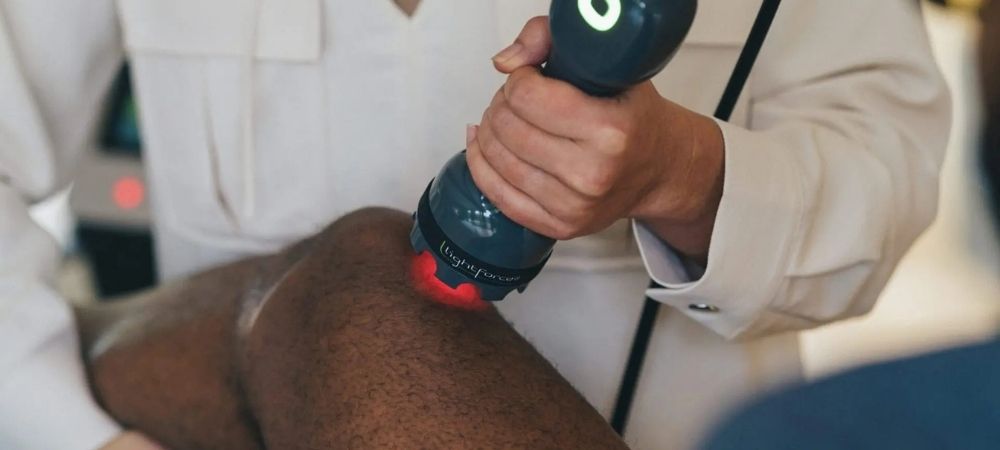
Top Benefits of Photobiomodulation Therapy for Chronic Pain ReliefChronic pain is one of the most common—and most frustrating—conditions patients face. Whether it’s joint pain or muscle soreness, living with persistent pain can severely impact your patients’ quality of life. Photobiomodulation therapy (PBMT) offers a safe, non-invasive, and drug-free way to help treat chronic pain at its source. This treatment works at the cellular level to help reduce pain, improve circulation, and accelerate recovery—all without the side effects of pain medications. Here’s What You Really Need to Know Photobiomodulation therapy helps relieve chronic pain by improving blood flow, stimulating the body’s natural repair processes, and impacting pain signaling pathways through the use of targeted light therapy. It offers a safe, non-invasive alternative to pain medications and is a research-supported option for pain associated with conditions like arthritis, back pain, and tendonitis.1-3 How Photobiomodulation Therapy Targets Pain PBMT uses therapeutic doses of light to penetrate deep into muscles, joints, and other tissues. This light energy triggers biological changes resulting in: Increased ATP production for cellular energy Effects on the inflammatory cascade Nitric oxide release Endorphin and serotonin release Neural inhibition This process doesn’t just reduce the sensation of pain—it promotes recovery and can lead to long-term pain relief. Key Benefits of PBMT for Chronic Pain Patients 1. Drug-Free Relief No opioids and no prescriptions. In some cases, PBMT may be used as an alternative to medication. 2. Non-Invasive & Comfortable Treatment is non-invasive and pain-free. Most patients describe a warm, soothing sensation during therapy. 3. Helps Restore Mobility By relieving pain, PBMT can help restore range of motion and daily function. 4. No Downtime Patients can return to their regular activities after each session. Common Chronic Pain Conditions Treated with PBMT Arthritis1 Back pain2 Neck and shoulder pain4 Tendonitis3 Plantar fasciitis5 TMJ (jaw pain)6 Many of these conditions show significant improvement within just a few sessions. Clinician Success Story “The medical staff has made this therapy device ‘one of our go-to’ tools when treating sprains, strains, and other muscular skeletal conditions. The ease of application makes the whole treatment very efficient. I am confident in saying that the LiteCure laser helped us get our players back on the court faster. It also helped us keep injured players in action through some painful conditions.“ — Ed Lacerte, M.Ed., PT, SCS, L/ATC, CSCSFormer Head Athletic Trainer for the Boston Celtics & Current Administrator of Player Health & Medical Services for USA Basketball Image PBMT vs Traditional Pain Management Treatment Long-Term Relief Non-Invasive PBMT Sometimes Yes Pain Medications Temporary Yes Injections Short-lived No Surgery Sometimes No Why Choose LightForce® for Pain Management? LightForce® lasers are trusted by thousands of providers across the country—from physical therapy clinics to professional sports teams. Our proprietary technology ensures: Precision dosing Custom treatment protocols Consistent, clinically backed results7 Explore more about our photobiomodulation therapy for pain and why other healthcare providers trust LightForce to deliver results.Sources: Song HJ, Seo HJ, Kim D. Effectiveness of high-intensity laser therapy in the management of patients with knee osteoarthritis: A systematic review and meta-analysis of randomized controlled trials. J Back Musculoskelet Rehabil. 2020;33(6):875-884. doi: 10.3233/BMR-191738. PMID: 32831189. https://pubmed.ncbi.nlm.nih.gov/32831189/ Alayat MS, Atya AM, Ali MM, Shosha TM. Long-term effect of high-intensity laser therapy in the treatment of patients with chronic low back pain: a randomized blinded placebo-controlled trial. Lasers Med Sci. 2014 May;29(3):1065-73. doi: 10.1007/s10103-013-1472-5. Epub 2013 Nov 2. https://pubmed.ncbi.nlm.nih.gov/24178907/ Roberts DB, Kruse RJ, Stoll SF. The effectiveness of therapeutic class IV (10 W) laser treatment for epicondylitis. Lasers Surg Med. 2013 Jul;45(5):311-7. doi: 10.1002/lsm.22140. Epub 2013 Jun 3. PMID: 23733499. https://pubmed.ncbi.nlm.nih.gov/23733499/ Chow RT, Johnson MI, Lopes-Martins RA, Bjordal JM. Efficacy of low-level laser therapy in the management of neck pain: a systematic review and meta-analysis of randomised placebo or active-treatment controlled trials. Lancet. 2009 Dec 5;374(9705):1897-908. doi: 10.1016/S0140-6736(09)61522-1. Epub 2009 Nov 13. Erratum in: Lancet. 2010 Mar 13;375(9718):894. PMID: 19913903. Ordahan B, Karahan AY, Kaydok E. The effect of high-intensity versus low-level laser therapy in the management of plantar fasciitis: a randomized clinical trial. Lasers in Medical Science. 2018;33(6):1363-1369. doi:https://doi.org/10.1007/s10103-018-2497-6 Abbasgholizadeh ZS, Evren B, Ozkan Y. Evaluation of the efficacy of different treatment modalities for painful temporomandibular disorders. Int J Oral Maxillofac Surg. 2020 May;49(5):628-635. doi: 10.1016/j.ijom.2019.08.010. Epub 2019 Sep 21. PMID: 31547949. Enovis (2023). Post-Market Clinical Follow-Up Retrospective Study Report: LightForce® Therapy Lasers. Internal Enovis report. Unpublished. Related Blog: Photobiomodulation for Sports Injuries: Faster Recovery, Less Pain End Chronic Pain at the Source If you’re ready to help patients take control of their chronic pain, photobiomodulation therapy from LightForce® is your next step. Schedule a demonstration with your local territory manager today.
Blog post
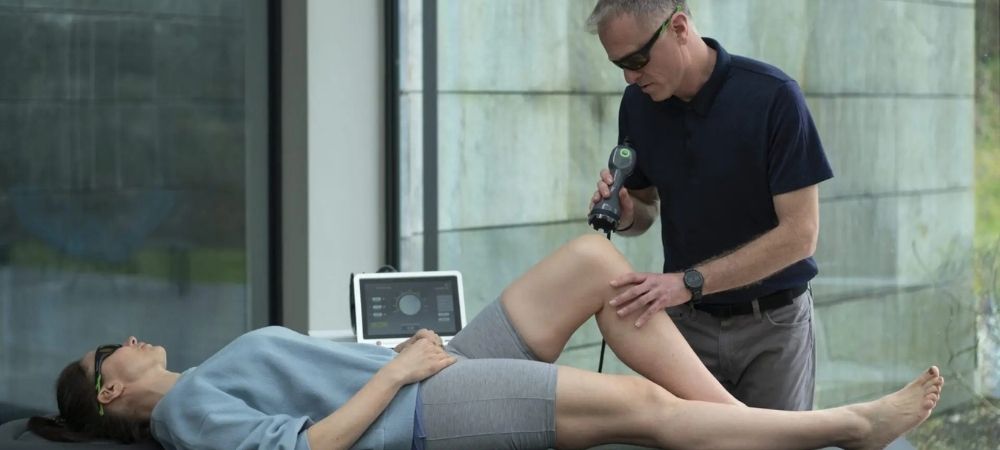
Photobiomodulation for Sports Injuries: Faster Recovery, Less PainWhen athletes get sidelined by injury, every day of recovery matters. Whether it’s a pulled hamstring, sprained joint, or overuse fatigue, the goal is always the same: return to peak performance as quickly and safely as possible. That’s where photobiomodulation therapy (PBMT) comes in. Used by professional sports teams and elite trainers, PBMT helps reduce pain, stimulate the body’s tissue repair pathways, and shorten downtime—without drugs or invasive procedures. Here’s What You Really Need to Know Photobiomodulation therapy uses targeted light to help athletes recover from injuries and return to sport faster by reducing pain, boosting circulation, and accelerating the body’s natural cellular repair processes. The Athletic Demand for Faster Recovery Athletes are constantly pushing their limits—and their bodies. From professional sports to weekend warriors, injuries are common, including: Muscle strains Tendonitis Ligament sprains Joint pain Overuse and fatigue injuries Traditional approaches like ice, rest, and NSAIDs offer temporary relief; however, PBMT has become a go-to therapy in sports medicine for its ability to impact pain at the cellular level. How PBMT Works for Athletic Recovery PBMT can be delivered via high-intensity lasers, like LightForce therapy lasers, which deliver precise wavelengths of near-infrared light to injured tissues. These photons: Stimulate mitochondrial ATP production for energy Impact the inflammatory cascade Temporarily improve blood flow and oxygen delivery Impact the pain signaling pathways The result? Recovery happens faster, pain is reduced, and mobility improves. Real Benefits for Athletes 1. Shorter Downtime PBMT promotes quicker recovery from soft tissue injuries, helping athletes get back in the game faster. 2. Reduced Muscle Soreness PBMT can help minimize delayed-onset muscle soreness (DOMS), especially after intense training or competition. 3. Drug-Free Recovery No reliance on anti-inflammatories or opioids—PBMT is a non-invasive, non-pharmacological treatment option. Who Uses PBMT? Top-Level Athletes and Trainers Photobiomodulation is trusted by: NFL, NBA, MLB, MLS, and other professional league athletic trainers Olympic physical therapists and chiropractors College sports programs Personal trainers and strength coaches Professional athletes Teams use PBMT both proactively (to address minor aches and pains between games) and reactively (to treat injuries). Pain Associated with these Sports Injuries are Commonly Treated with PBMT Injury PBMT Effective? Hamstring tendinopathy¹ Yes Achilles tendonitis² Yes Tennis elbow³ Yes Frozen Shoulder4 Yes Plantar fasciitis5 Yes LightForce®: The Athlete’s Recovery Laser LightForce® lasers are used by leading sports medicine professionals to deliver fast, powerful, and precise treatment for athletic injuries. Unlike LED devices or generic red light panels, our Class IV therapy lasers: Deliver deeper tissue penetration Provide preset protocols for multiple conditions Are trusted by elite sports organizations around the world for quick and powerful results See why LightForce Laser Therapy is the trusted choice for photobiomodulation therapy in sports recovery. Sources: Verma S, Esht V, Chahal A, et al. Effectiveness of High Power Laser Therapy on Pain and Isokinetic Peak Torque in Athletes with Proximal Hamstring Tendinopathy: A Randomized Trial. Biomed Res Int. 2022;2022:4133883. Published 2022 May 20. doi:10.1155/2022/4133883 Tumilty S, Mani R, Baxter GD. Photobiomodulation and eccentric exercise for Achilles tendinopathy: a randomized controlled trial. Lasers Med Sci. 2016;31(1):127-135. doi:10.1007/s10103-015-1840-4 Roberts DB, Kruse RJ, Stoll SF. The effectiveness of therapeutic class IV (10 W) laser treatment for epicondylitis. Lasers Surg Med. 2013 Jul;45(5):311-7. doi: 10.1002/lsm.22140. Epub 2013 Jun 3. PMID: 23733499. https://pubmed.ncbi.nlm.nih.gov/23733499/ de la Barra Ortiz HA, Parizotto N, Arias M, Liebano R. Effectiveness of high-intensity laser therapy in the treatment of patients with frozen shoulder: a systematic review and meta-analysis. Lasers Med Sci. 2023;38(1):266. Published 2023 Nov 20. doi:10.1007/s10103-023-03901-3 Ordahan B, Karahan AY, Kaydok E. The effect of high-intensity versus low-level laser therapy in the management of plantar fasciitis: a randomized clinical trial. Lasers in Medical Science. 2018;33(6):1363-1369. doi:https://doi.org/10.1007/s10103-018-2497-6
Blog post
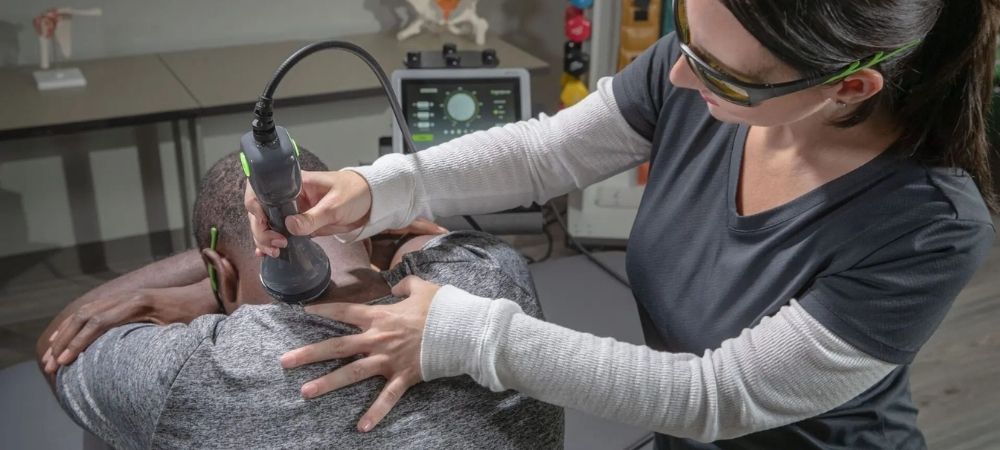
How Photobiomodulation Therapy Works: A Beginner’s GuidePhotobiomodulation therapy (PBMT) is a non-invasive treatment that uses light energy to stimulate the body’s natural repair processes. Also known as laser therapy , it’s gaining recognition for its ability to reduce pain and accelerate recovery at the cellular level. But how exactly does it work? In this beginner’s guide, we’ll explain the science behind photobiomodulation therapy, what it does to the body, and what you can expect from a typical treatment session. Here’s What You Really Need to Know Photobiomodulation therapy works by delivering specific wavelengths of red or near-infrared light to body tissues. This light is absorbed by mitochondria in cells increasing ATP production, modulating reactive oxygen species (ROS), and ultimately promoting cellular repair. The result is reduced pain and accelerated recovery. What Is Photobiomodulation Therapy? Photobiomodulation therapy is the clinical application of light to stimulate injured or dysfunctional tissue resulting in therapeutic effects. It uses non-ionizing light sources, including lasers and LEDs, in the visible and near-infrared spectrum. The treatment is painless for patients, requires no downtime, and is increasingly used by physicians, physical therapists, chiropractors, and elite sports medicine providers. Image The Science Behind PBMT: How Light Stimulates the Cell’s Biochemical Pathways At its core, PBMT works by targeting the mitochondria—the “powerhouse” of the cell. When light photons penetrate the skin and underlying tissues, they are absorbed by cytochrome c oxidase (COX), a key enzyme in mitochondrial respiration. Here’s what happens: Light is absorbed by COX in the mitochondria ATP (adenosine triphosphate) production increases Nitric oxide is released, improving circulation Reactive oxygen species (ROS) are generated activating cellular signaling pathways that contribute to cell proliferation, migration, and differentiation, This biochemical cascade leads to improved blood flow, activation of tissue repair processes, and decreased pain. Key Benefits of Photobiomodulation Therapy Photobiomodulation has shown clinically significant benefits across a wide range of conditions, including: Acute and chronic pain (back, neck, joints) Sports injuries Muscle pain and spasm Arthritis pain and stiffness Plantar fasciitis Numerous studies have supported its role in both acute and chronic injury management. Image What Your Patients Can Expect During a Typical Treatment Session A typical PBMT session is fast, safe, and comfortable. Here’s what your patients can expect: Patients will be positioned comfortably in a chair or treatment table. The LightForce® laser device will be placed over the treatment area. The laser emits near-infrared light. Sessions last around 5–15 minutes depending on the area and condition. Most patients report a soothing warmth during treatment. Treatment frequency varies, but many patients experience results within 3–5 sessions. Why Choose LightForce® for Photobiomodulation? LightForce® is a leader in therapeutic laser technology. Our lasers are trusted by thousands of professional athletes and teams, major healthcare systems, and private practices worldwide. We combine innovative technology with precision dosing and custom treatment plans to deliver unmatched results. Learn more about LightForce photobiomodulation therapy and how we’re changing the way pain is treated without drugs or surgery. Who Can Benefit from PBMT? Photobiomodulation therapy can be used for a wide range of patients: Athletes looking to recover faster from injury Seniors managing arthritis or joint degeneration Chronic pain sufferers avoiding long-term medication Because PBMT is drug-free and non-invasive, it’s a great option to incorporate into physical therapy plans of care.. Image Is PBMT Backed by Research? Yes—photobiomodulation has been extensively researched for decades. Over 700 randomized controlled trials and thousands of peer-reviewed studies have demonstrated its safety and efficacy. It is recognized by: The World Association for Laser Therapy (WALT) American Physical Therapy Association (APTA) The American Academy of Orthopaedic Surgeons (AAOS) The American College of Physicians (ACP) Related Blog: Photobiomodulation vs Red Light Therapy: What’s the Difference? Ready to Experience the Power of LightForce Laser Therapy? Whether you’re seeking more ways to help your patient achieve better pain relief, faster recovery, or improved function, photobiomodulation therapy is a modern, research-backed option for your practice.Schedule a demonstration for your practice.
Blog post
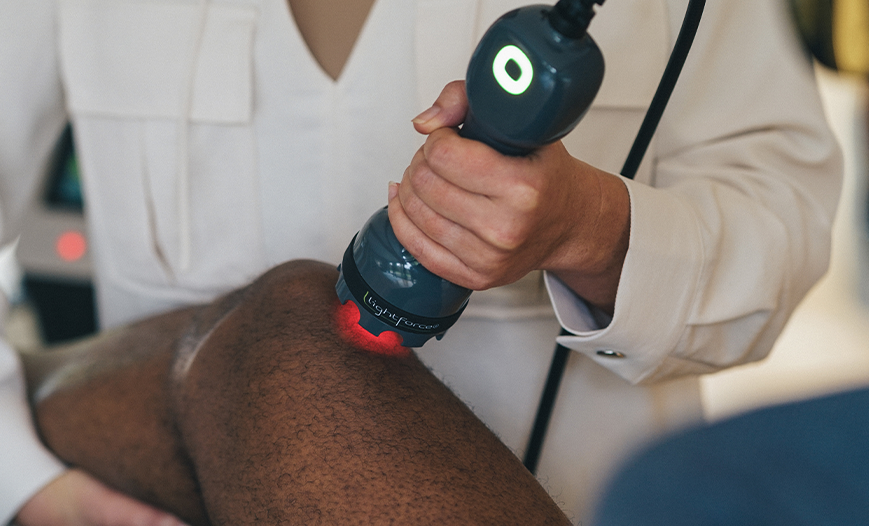
An Evidence-Based Approach to Addressing Three Common Impairments Associated with Knee OsteoarthritisKnee osteoarthritis (KOA) is a degenerative condition that can be challenging to manage. Often multiple tissues are involved which collectively can have a profound impact on an individual’s mobility and daily activity. Patients that have moderate to severe OA often struggle with other health conditions. Poor metabolic function can retard tissue healing which further complicates these cases. Examples of common KOA comorbidities include obesity, cardiovascular pathology, and diabetes. Prolonged immobility can exacerbate these conditions. A focus on reducing pain quickly is central to successfully managing KOA patients. While bone on bone pathology is often a part of their complaint, rarely is it the whole story. Soft tissue dysfunctions are often part of a KOA presentation that can be improved with therapy. Three common KOA impairments and treatment options include: 1. Capsular Stiffness: normally caused by repeated joint inflammation leading to capsular fibrosis and scar formation which ultimately can contribute to restrictions in knee arthrokinematics. Besides stretching and mobilization, a treatment option to address capsular stiffness and pain is High Intensity Laser Therapy (HILT). A recent study showed that HILT + exercise is more effective than exercise alone at improving the pain and function of KOA patients. Laser can play a more beneficial and rapid role in pain control.1 Extracorporeal shockwave therapy (ESWT) devices, such as the Chattanooga® Intelect® RPW 2, are another tool that may help with decreasing pain and improving knee function when stiffness is present. The concept of providing a painful stimulus to an arthritic joint line might not seem intuitive, but multiple studies have shown that ESWT can improve function and decrease pain associated with KOA 2. While the exact mechanism is not known, the high energy sound waves ESWT imparts to tissue have been shown to decrease pain and improve blood flow to various soft tissues.3 These factors contribute to accelerated tissue repair and better functional improvement than exercise alone. 2 2. Muscle Weakness: another primary impairment associated with KOA. Quadriceps weakness is often associated with arthrogenic muscle inhibition (AMI) which is different from disuse atrophy. AMI is a protective mechanism that leads to muscle weakness via neural inhibition.4 While AMI can negatively impact any muscle around a painful joint, the quadriceps is the muscle group commonly impacted with KOA. Failing to address pain and swelling at the joint can lead to prolonged weakness and muscle atrophy. While there are several choices clinicians have at their disposal to reduce joint pain and inflammation, treating the weakened quadriceps with neuromuscular electrical stimulation (NMES), such as the Chattanooga Continuum™ device, may be the most direct approach to stem muscle atrophy. When NMES is applied at higher intensities, it can recruit the larger motor units needed to improve force output and build strength at the quadriceps. Without this tool, patients may not be able to volitionally create the same force output due to pain signals coming from the knee. 5 When used at submaximal intensities in combination with exercise, NMES has also been shown to help reduce pain and improve function for KOA patients. Additional benefits from NMES include increased flexion range of motion, preservation of muscle girth at the thigh, improved muscle thickness at the VMO, and reduced knee stiffness scores when compared to exercise only. 6 3. Swelling: the final issue that may need to be addressed in acute KOA flare-ups. The good news is that swelling can be addressed with thermal agents that are available in most clinics and home settings. A Cochrane review on KOA showed that thermal agents, compression, and improved activity should help in this area.7 One final management note: for moderate to severe KOA cases, addressing symptoms alone might not be sufficient to restore function. Consideration of a high-quality, knee OA brace may be a welcomed addition to the plan of care. These specially designed braces help unload painful joint surfaces and provide added stability a degenerated joint may no longer be capable of providing independently. The relief these devices may provide can help bridge the path to improved function. Bracing can be an important addition to any noninvasive, long-term plan of care when trying to avoid surgery or when higher levels of recreational activity are desired. Examples of these braces can be found here. Ideally, by addressing KOA as a collection of subcategories, both therapists and patients can better understand that OA isn’t the dead-end road that many fear. References: Nazari A, Moezy A, Nejati P, Mazaherinezhad A. Efficacy of high-intensity laser therapy in comparison with conventional physiotherapy and exercise therapy on pain and function of patients with knee osteoarthritis: a randomized controlled trial with 12-week follow up. Lasers Med Sci. 2019 Apr;34(3):505-516. doi: 10.1007/s10103-018-2624-4. Epub 2018 Sep 3. PMID: 30178432. Cp A, Jayaraman K, Babkair RA, et al. Effectiveness of extracorporeal shock wave therapy on functional ability in grade IV knee osteoarthritis - a randomized controlled trial. Sci Rep. 2024;14(1):16530. Published 2024 Jul 17. doi:10.1038/s41598-024-67511-x Fricová J, Rokyta R. The effects of extracorporeal shock wave therapy on pain patients. Neuro Endocrinol Lett. 2015;36(2):161-4. PMID: 26071587. Norte G, Rush J, Sherman D. Arthrogenic Muscle Inhibition: Best Evidence, Mechanisms, and Theory for Treating the Unseen in Clinical Rehabilitation. J Sport Rehabil. 2021 Dec 9;31(6):717-735. doi: 10.1123/jsr.2021-0139. PMID: 34883466. Arhos EK, Ito N, Hunter-Giordano A, Nolan TP, Snyder-Mackler L, Silbernagel KG. Who's Afraid of Electrical Stimulation? Let's Revisit the Application of NMES at the Knee. J Orthop Sports Phys Ther. 2024 Feb;54(2):101-106. doi: 10.2519/jospt.2023.12028. PMID: 37904496; PMCID: PMC10872626. Moezy A, Masoudi S, Nazari A, Abasi A. A controlled randomized trial with a 12-week follow-up investigating the effects of medium-frequency neuromuscular electrical stimulation on pain, VMO thickness, and functionality in patients with knee osteoarthritis. BMC Musculoskelet Disord. 2024 Feb 20;25(1):158. doi: 10.1186/s12891-024-07266-8. PMID: 38378564; PMCID: PMC10877797. Brosseau L, Yonge KA, Robinson V, Marchand S, Judd M, Wells G, Tugwell P. Thermotherapy for treatment of osteoarthritis. Cochrane Database Syst Rev. 2003;2003(4):CD004522. doi: 10.1002/14651858.CD004522. PMID: 14584019; PMCID: PMC6669258.
Blog post
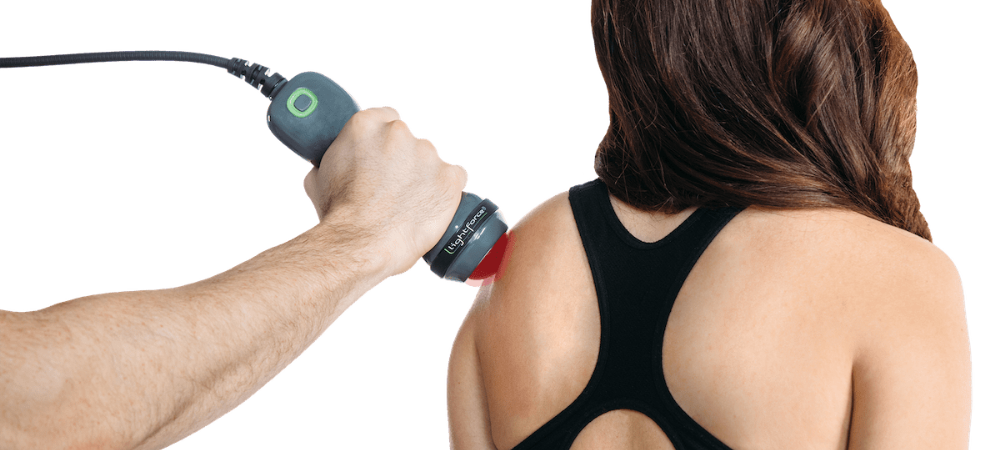
Efficacy of Low-level Laser Versus High-intensity Laser Therapy in the Management of Adhesive Capsulitis: A Randomized Clinical TrialBanu Ordahan, Fatih Yigit, Cevriye Mülkoglu Published in: Saudi Journal of Medicine & Medical Sciences, 2023 doi.org/10.4103/sjmms.sjmms_626_22 Previous studies have demonstrated that both low-level laser therapy (LLLT) and high-intensity laser therapy (HILT) are effective at reducing pain and improving function in patients with adhesive capsulitis (AC). This study was conducted to compare LLLT and HILT to determine which laser modality is the most effective treatment option for AC. Forty patients with a diagnosis of AC were randomized to either HILT or LLLT. Both groups had laser treatment sessions 3 times per week for 3 weeks. Both groups also received 25 minutes of exercise therapy 5 times per week for 3 weeks. Patients in the LLLT group received treatment with a low-level laser with an output power of 240 mW. At each session, 9 points around the glenohumeral joint were treated for 50 seconds each at 3 J/cm2 for a total treatment time of 7.5 minutes. Patients in the HILT group, for the first 3 sessions, were treated along the glenohumeral joint with pulsed wave therapy for 75 seconds, 8 W, 10 J/cm2 . The following 6 sessions used continuous wave therapy for 30 seconds, 12 W, 120 J/cm2 . The primary outcome of the study was pain reduction measured by the Visual Analog Scale (VAS). A secondary outcome of the study was assessing pain and functional limitations using the Shoulder Pain and Disability Index (SPADI). After 3 weeks of laser and exercise treatment, both groups had significant improvement in the 2 outcome measures, but the HILT group had significantly better results than the LLLT group. The study concluded that HILT is the more effective treatment option when compared to LLLT to reduce pain and improve disability in AC. Image *statistically significant differences between the groups
Blog post
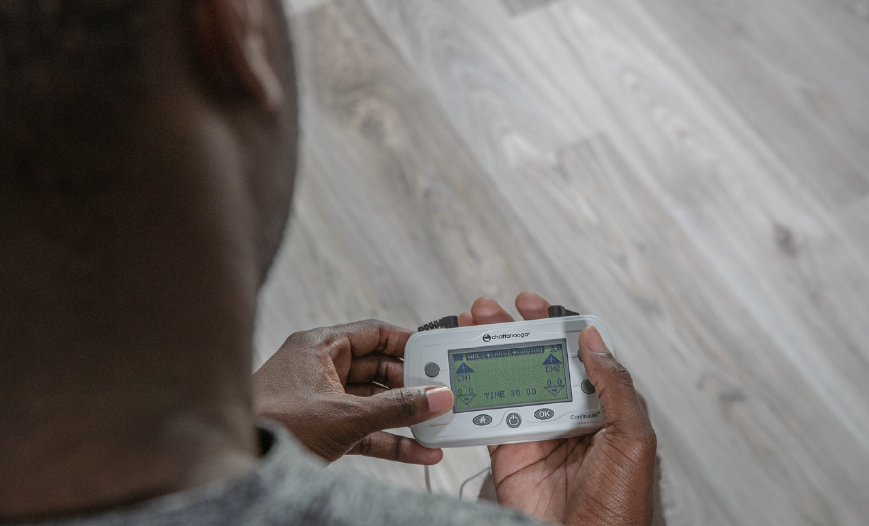
Who's Afraid of Electrical Stimulation? Let's Revisit the Application of NMES at the KneeElanna K Arhos, Naoaki Ito, Airelle Hunter-Giordano, Thomas P Nolan, Lynn Snyder-Mackler, Karin Grävare Silbernagel Published in: Journal of Orthopaedic & Sports Physical Therapy, 2024 https://www.jospt.org/doi/10.2519/jospt.2023.12028 This journal article is a commentary to share best practices for using neuromuscular electrical stimulation (NMES) to help restore strength after knee injury. Quadriceps inhibition is common after knee surgery or knee injury and is a risk-factor for reinjury and developing osteoarthritis. NMES can be used to help strengthen the quadriceps muscle and is recommended in the 2017 clinical practice guidelines for Knee Stability and Movement Coordination Impairments. Prior research demonstrates that high-intensity NMES gives the best outcomes, but it is likely that NMES is often used at too low an intensity in the clinic to be effective at restoring optimal muscle recruitment. The authors recommend the following NMES parameters for effective electrotherapy: Pulse width: 400 µs Frequency: 50-75 Hz Contraction time: 10 s Relaxation time: 50 s Ramp: 2 s Dosed to passively create at least 50% of the patient’s one-rep maximum. No active contraction should be combined to produce this force output. Electrodes should be at least 3" x 5" for patient comfort. The authors evaluated 5 different NMES devices to determine which ones could deliver the recommended parameters. The Chattanooga® ContinuumTM device was the only electrical stimulator tested that could meet all the recommended parameters and achieve a therapeutic dose in 4 out of 5 healthy volunteers. Studies have shown that neuromuscular deficits can linger for months if quadricep inhibition is not appropriately addressed. Therefore, the authors conclude that using NMES to strengthen the quadriceps muscle is critical to improving outcomes after knee injury, and that NMES must be delivered using effective parameters which includes working with patients to achieve a maximally tolerated dose.