

Total Items
0
0 Item(s)

Blog post
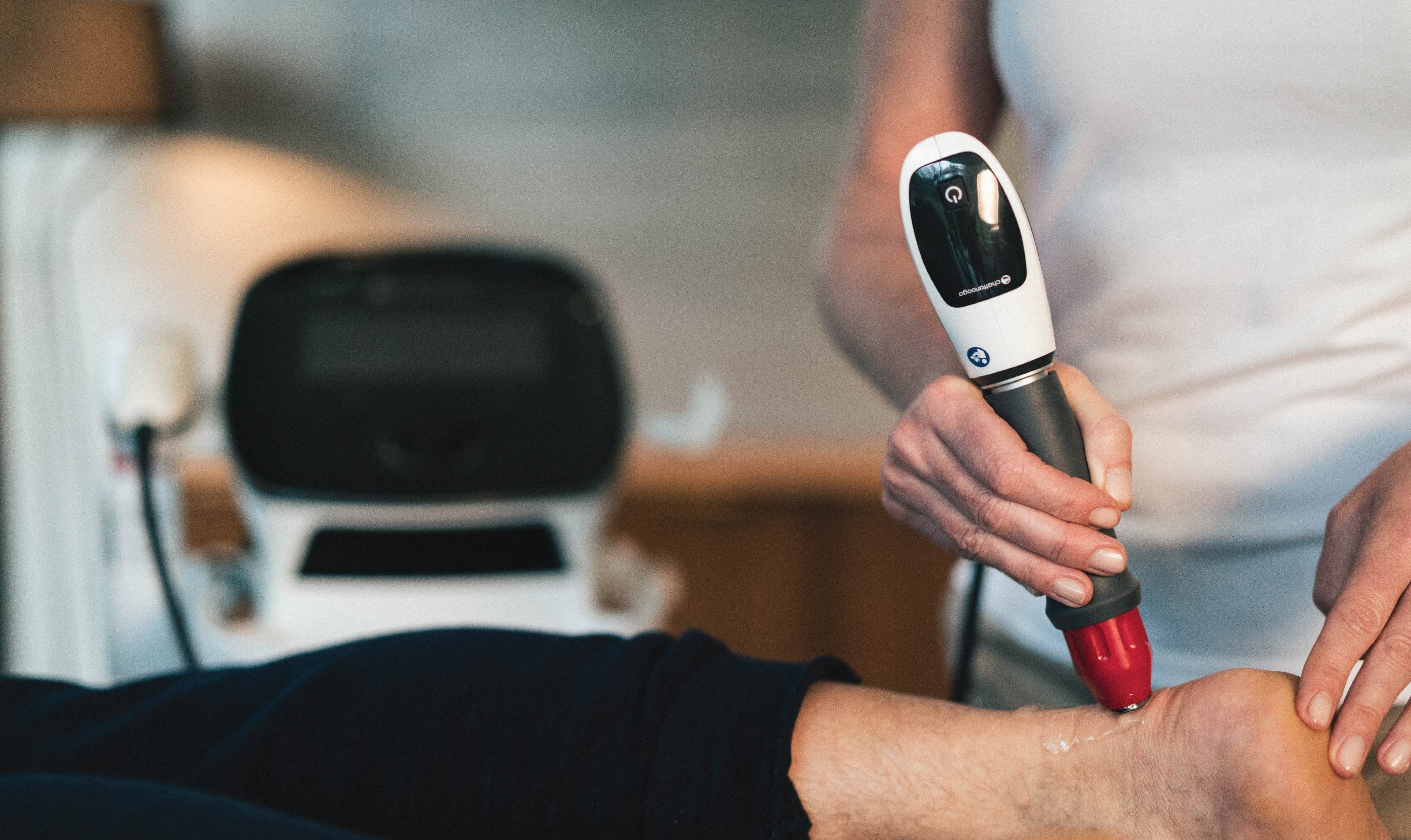
Short- and Intermediate-Term Results of Extracorporeal Shockwave Therapy for Noninsertional Achilles TendinopathyNasr Awad Abdelkader, Mohamed Nasser Kise Helmy, Nadia Abdelazem Fayaz, Emad S. B. Saweeres Published in: Foot & Ankle International, 2021, http://doi.org/10.1177/1071100720982613 This study was conducted to determine the effectiveness of adding extracorporeal shockwave therapy (ESWT) to conventional conservative physical therapy for treating chronic noninsertional Achilles tendinopathy (NAT). Fifty patients with a diagnosis of chronic NAT were enrolled in the study. Patients were randomized into 2 groups: ESWT + Conservative Physical Therapy Sham ESWT + Conservative Physical Therapy Conservative physical therapy consisted of eccentric training and stretching for 4 weeks. During the same 4 weeks, patients received ESWT or sham ESWT once per week. ESWT was performed with a radial pressure wave device. Parameters for each session were 2000 pulses, 3 bar, 8 Hz. Sham ESWT was conducted in a similar fashion but no energy was emitted from the device. Patient function and pain were assessed using the Victorian Institute of Sport Assessment-Achilles questionnaire (VISA-A) and the visual analog scale (VAS), respectively. Patients completed the VISA-A and VAS at baseline, 1 day after treatment ended, and then approximately 16 months after baseline for a long-term outcome assessment. Both groups had significant improvement in function and pain after 4 weeks of treatment. However, the ESWT group had significantly more improvement compared to the sham group. The median pain score decreased by 87.5% in the ESWT group and by only 12.5% in the sham group. Both groups also had significant improvement in function and pain at the long-term follow-up. Despite an increase in pain score and decrease in functional score compared to post-treatment, the ESWT group continued to have significantly better outcomes compared to the sham group at 16 months. The study concludes that combining ESWT with eccentric training and stretching results in significantly better outcomes for patients in the short term. This is demonstrated by the median pain score for the ESWT group decreasing by 75% more than the sham group post-treatment. This study also demonstrates that the positive clinical effects of ESWT continue to be seen out to 16 months. The authors strongly recommend adding ESWT to the treatment plan for patients with NAT.
Blog post
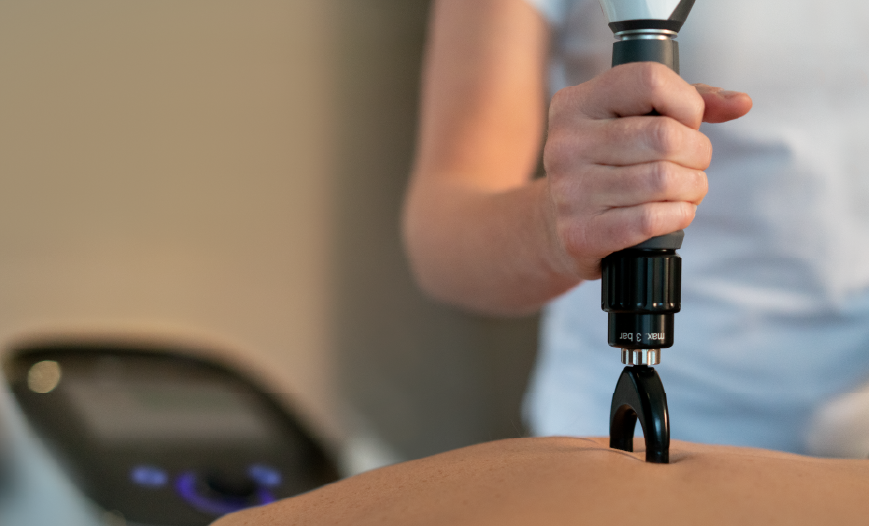
Effect of Radial Extracorporeal Shock Wave Therapy on Pain Intensity, Functional Efficiency, and Postural Control Parameters in Patients with Chronic Low Back Pain: A Randomized Clinical TrialKarolina Walewicz, Jakub Taradaj, Maciej Dobrzyński , Mirosław Sopel, Mateusz Kowal, Kuba Ptaszkowski and Robert Dymarek Published in: Journal of Clinical Medicine, 2020 https://doi.org/10.3390/jcm9020568 This study was conducted to determine whether radial extracorporeal shockwave therapy (rESWT) can reduce pain and improve function in patients with chronic low back pain. Forty patients with low back pain for at least 3 months were included in the study. Patients were randomized to receive either: rESWT + core stability exercises sham rESWT + core stability exercises rESWT treatment was given twice a week for 5 weeks. Each session lasted for 7 minutes and rESWT parameters were set at 2.5 bar, 2000 pulses, 5 Hz. Patients in the sham group went through the same rESWT protocol as those in the active treatment group except the radial pressure waves were inhibited by a polyethylene cap on the handpiece. The main outcome measures included the Laitinen Pain Scale (LPS), Roland-Morris Questionnaire (RMQ) to evaluate function, and the original Schober Test (OST) to assess range of motion. Measurements were taken at baseline, once treatment was completed, and at 1 and 3 months follow-up. While both groups had some improvement in pain during treatment, the group that received rESWT had significantly lower pain scores at the 1 and 3 month follow-up compared to the sham group. The pain scores increased for the sham group during the follow-up period. Both groups also showed an increase in function and range of motion during treatment. However, the group that received rESWT had significantly better function and range of motion at the 3 month follow-up compared to the sham group. This paper concludes that incorporating rESWT into a conventional core stability exercise program can significantly improve the pain and function of patients with chronic low back pain. These improvements continued out to 3 months post-treatment indicating that rESWT can have long-term therapeutic effects. Adding rESWT to the physical therapy protocol can significantly improve outcomes for patients with chronic low back pain and give them relief long-term.
Blog post
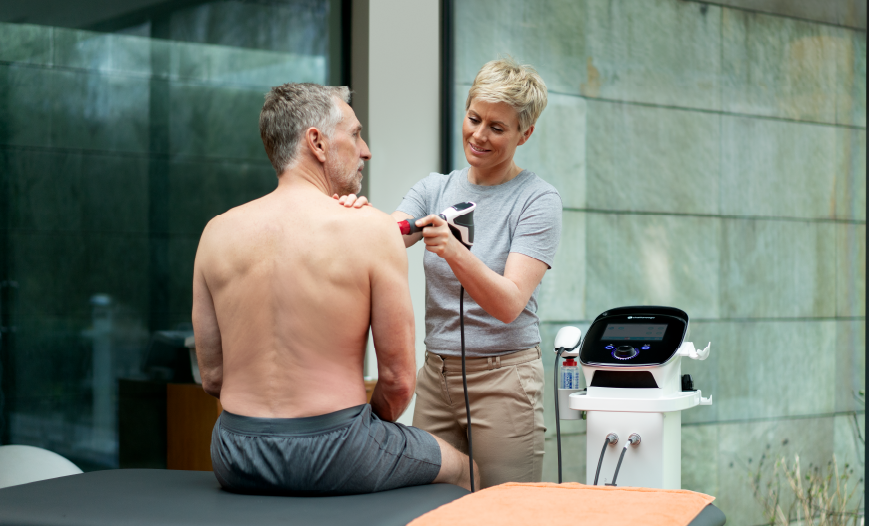
Comparison of Radial Extracorporeal Shock Wave Therapy and Traditional Physiotherapy in Rotator Cuff Calcific Tendinitis TreatmentTomris Duymaz and Dilşad Sindel Published in: Archives of Rheumatology, 2019 DOI: 10.5606/ArchRheumatol.2019.7081 This study was conducted to determine whether adding radial extracorporeal shockwave therapy (rESWT) to a conventional physiotherapy program would be more effective at improving pain and function in patients with chronic rotator cuff calcific tendinitis (RCCT) than conventional physiotherapy alone. Eighty patients with RCCT were randomized to one of the following 2 groups: Conventional physiotherapy (PT): consisted of ultrasound, transcutaneous electrical nerve stimulation, ice, range of motion (ROM) exercises, and stretching. PT occurred five days a week for four weeks. rESWT + PT: consisted of conventional PT plus rESWT once per week for 4 weeks. Each treatment session included 1500 pulses, 150 pulses/min. Treatments started with a low energy density of 0.03 mJ/mm2 and increased to 0.28 mJ/mm2 as tolerated. The supraspinatus, infraspinatus, teres minor, and subscapularis tendons were treated. Shoulder pain was assessed using the Visual Analog Scale (VAS) pre and post-treatment. After 4 weeks of treatment, all patients had a significant reduction in pain. However, the rESWT group improved significantly more than the PT only group. The rESWT group pain scores decreased by 82% while the PT group pain scores decreased by 66%. Shoulder function was evaluated pre and post-treatment with ROM measurements and an abbreviated version of the Disabilities of the Arm, Shoulder and Hand questionnaire (QuickDASH). All patients had improved function after treatment, but only the rESWT group had statistically significant changes in all ROM tests and the QuickDASH. The take-home message from the study is that while conventional PT helped improve pain, ROM, and functional outcome scores for RCCT patients, adding rESWT to conventional PT resulted in even greater improvements in all outcome measures.
Blog post
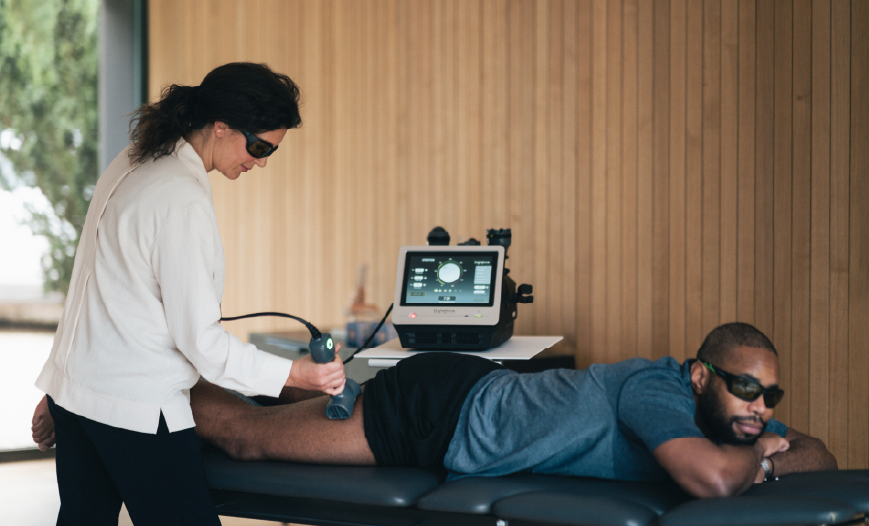
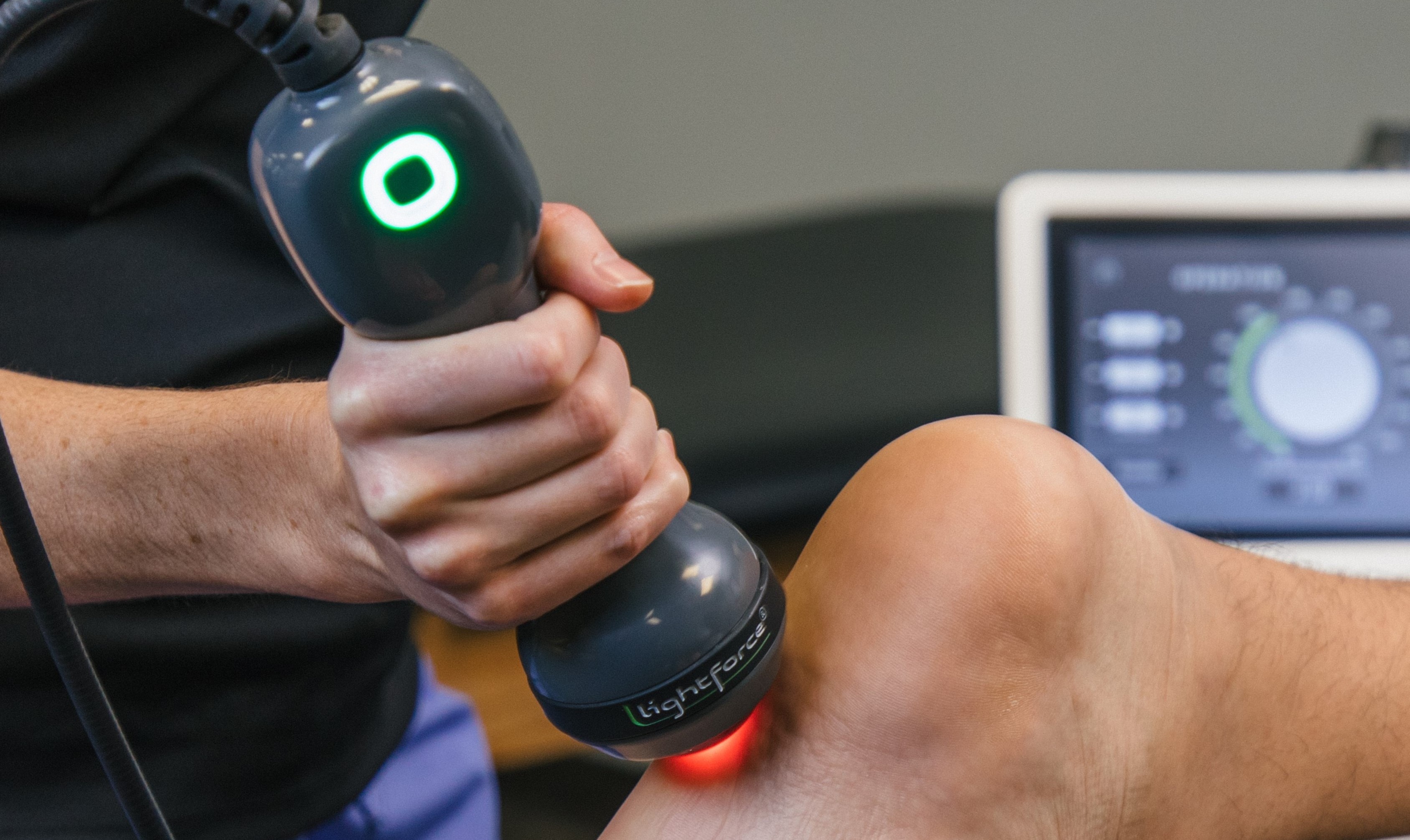
Effectiveness of High Power Laser Therapy on Pain and Isokinetic Peak Torque in Athletes with Proximal Hamstring Tendinopathy: A Randomized TrialSachin Verma, Vandana Esht, Aksh Chahal, Gaurav Kapoor, Sorabh Sharma, Ahmad H. Alghadir, Masood Khan , Faizan Z. Kashoo , and Mohammad A. Shaphe Published in: BioMed Research International, 2022, https://doi.org/10.1155/2022/4133883 This study was conducted to determine whether high power laser therapy (HPLT), also referred to as Photobiomodulation Therapy (PBMT), has an effect on proximal hamstring tendinopathy (PHT) symptoms. Forty athletes with PHT were randomized to one of the following 2 groups: Conventional therapy: The athletes completed ultrasound therapy, moist heat treatments, and home exercises. HPLT/PBMT: Athletes received treatment with a 10 W high power LightForce® therapy laser at 5 W, 50 J/cm2 for a total energy dose of 1800 J per session. Treatment was focused on the hamstring tendon near the ischial tuberosity. Each session lasted for 6 minutes. Both groups completed their designated treatments 3 days a week for 3 weeks. Pain was assessed using the Numeric Pain Rating Scale (NPRS). The study also used an isokinetic dynamometer to measure isokinetic peak torque (IPT) of the hamstring muscle. The authors suggest that a change in IPT could be another indication of pain relief because athletes experiencing less pain will be able to apply more force on the muscle. Pain scores and IPT measurements were taken prior to treatment and at the end of 3 weeks of treatment. After treatment, both the HPLT/PBMT group and the conventional therapy group had a clinically significant reduction in pain score. However, the HPLT/PBMT group improved more than the conventional therapy group with the average pain score decreasing to a mild level. While there was not a significant difference between the groups in IPT, the HPLT/PBMT group did have more improvement in IPT compared to the conventional therapy group. The lack of statistical difference between groups could be due to the HPLT/PBMT group not completing any exercise treatments. Image *statistically significant difference between the groups This study demonstrated that HPLT/PBMT is more effective than a conventional therapy program at reducing pain from PHT. HPLT/PBMT reduced the average pain score to a mild level, and this decrease in pain may also have resulted in functional improvements for the athlete.
Blog post
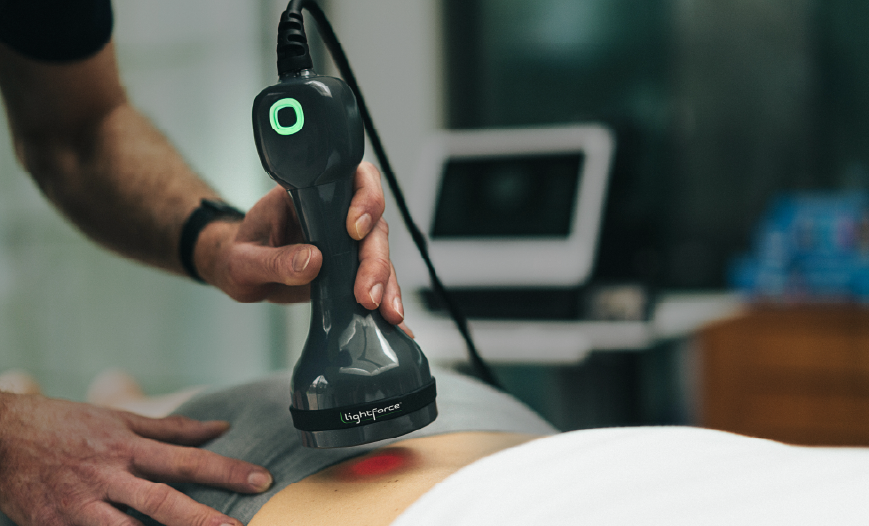
Photobiomodulation Therapy Plus Usual Care Is Better than Usual Care Alone for Plantar Fasciitis: A Randomized Controlled TrialAnn K Ketz, Juanita Anders, Judy Orina, Betty Garner, Misty Hull, Nicholas Koreerat, Jeff Sorensen, Candice Turner, James Johnson Published in: International Journal of Sports Physical Therapy, 2024, 19(1); DOI: 10.26603/001c.90589 The purpose of this study was to assess the clinical impact of photobiomodulation therapy (PBMT) on pain and function in people with plantar fasciitis (PF). Specifically, the authors wanted to compare a standardized dose (10J/cm2) with different output power to see if outcomes were different. DesignProspective, randomized controlled clinical trial Participants114 patients who were between 18-65 with symptoms of PF for at least 3 months were included and randomized into 3 groups. Usual Care (UC) – 6 week exercise program completed daily UC + PBMT delivered at 10W UC + PBMT delivered at 25W PBMT treatments were delivered 3x/week for 3 weeks using a 25 W high power LightForce® therapy laser Results Pain and function were measured over a short term (6 weeks) for all groups and long term (6 months) for the PBMT groups. PainAfter the 3 weeks of treatment, participants treated with PBMT (10W or 25W) had reductions in pain compared to the usual care group. The pain reduction was greater than 2 points on the visual analogue scale, meaning that the reduction was CLINICALLY meaningful as well as statistically significant. This reduction in pain was maintained out to 6 weeks. There were no differences between the 10W and 25W PBMT groups. It was also found that participants in the PBMT groups used less pain medication (non-steroidal anti-inflammatory drugs) over time than the usual care group. Long-term follow-up showed stable pain scores in both PBMT groups. FunctionBoth PBMT groups had clinically significant changes in the sports subscale of the Foot and Ankle Ability Measure compared to the usual care group. ToleranceNo adverse events were reported for PBMT treatment indicating that treatment is safe. All participants tolerated treatment well, regardless of Fitzpatrick skin scale. Take Home Message PBMT added to usual care resulted in significant improvement of pain compared to usual care only and the improvement was maintained for up to 6-months follow-up. Dosing is key! 10J/cm2 is a safe and effective dose for treating patients with plantar fasciitis. Increasing output power allows for safe and effective treatment at a faster rate of delivery. Why were the outcomes similar for 10W and 25W? It makes sense that since plantar fascia is not a deep tissue, higher power/irradiance is not required to provide effective treatment. Additional studies should be done in deeper tissues to reinforce the benefits of higher power. It is important to note the benefit in this study of using the higher power 25W laser which allowed clinicians to treat 2.5x faster than when using 10W.
Blog post
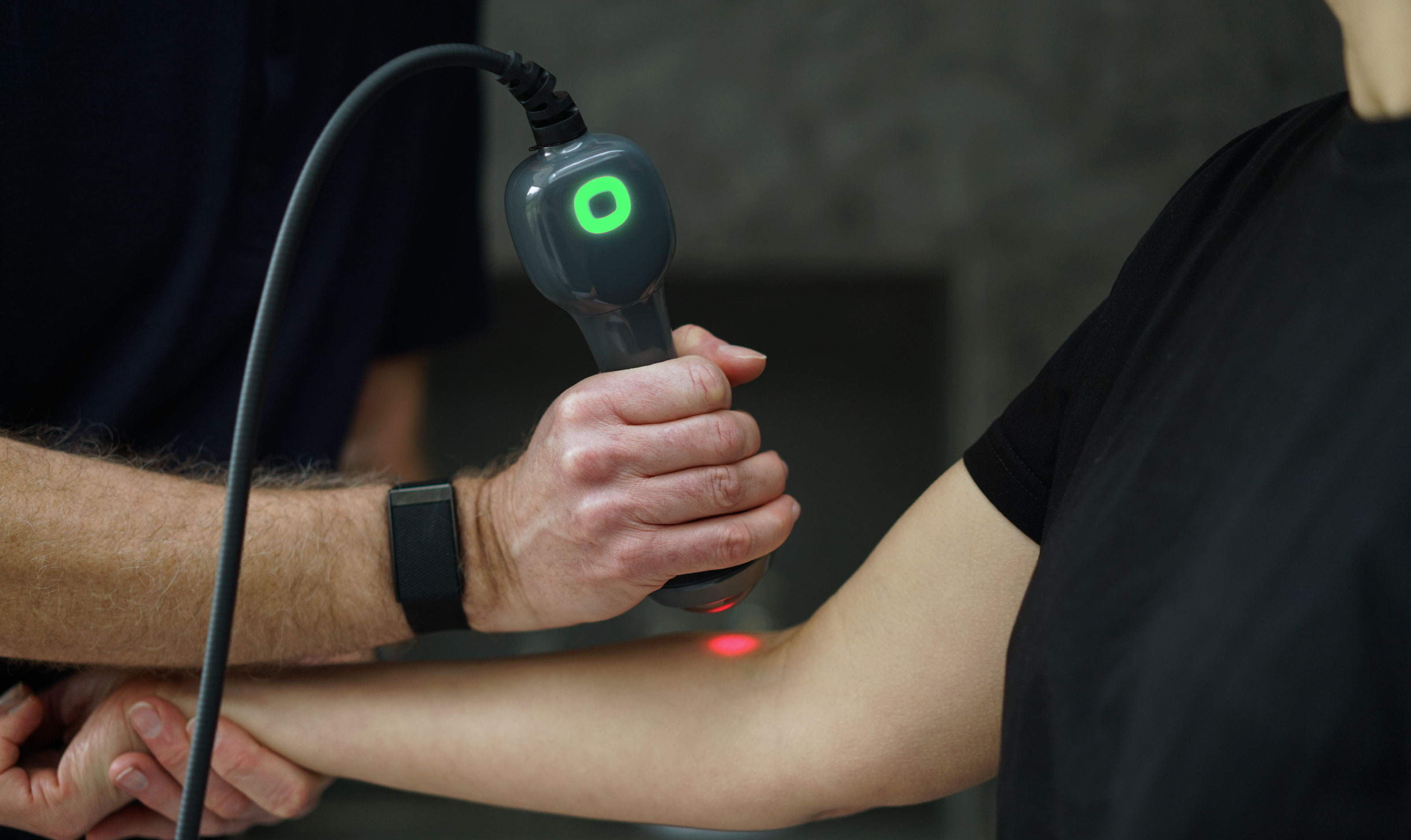
Effects of High-Intensity Laser in Treatment of Patients with Chronic Low Back PainMarija Gocevska, Erieta Nikolikj-Dimitrova, Cvetanka Gjerakaroska-Savevska Published in: Macedonian Journal of Medical Sciences https://doi: 10.3889/oamjms.2019.117 This study was conducted to compare high-intensity laser therapy (HILT) to ultrasound therapy when used in combination with exercise in the treatment of chronic low back pain. The study enrolled fifty-four patients who had back pain for at least 3 months. Patients were divided into 2 treatment groups. HILT + ExercisePatients received 5 sessions of laser therapy per week for 2 weeks. Dose was delivered at 4 W, 1.5 J/cm2 over L1-L5 and S1. Ultrasound + ExercisePatients received 5 sessions of ultrasound therapy per week for 2 weeks. Ultrasound was delivered at an intensity of 0.5 W/cm2. Patients in both groups completed at-home strengthening exercises 15 min/day for 3 months. Outcome measures for the study included the Numeric Pain Rating Scale, Schober’s test for lumbar range of motion, and the Oswestry Disability Index to assess function. Outcome measures were assessed at baseline, after 2 weeks of treatment, and at 3 months follow-up. Pain and FunctionThe HILT group had significantly greater improvement in pain and function compared to the ultrasound group after 2 weeks of treatment and at 3 months follow-up. The average pain score decreased by 74% in the HILT group at the 3 month follow-up while the ultrasound group pain score decreased by 30%. Range of MotionAt 3 months follow-up, the HILT group had significantly increased lumbar flexion compared to the ultrasound group. Take Home Message The study concluded that HILT significantly reduced patients’ chronic low back pain and improved their range of motion and function. The positive results were maintained long-term out to 3 months. HILT can be used in combination with exercise to give patients better outcomes for their chronic low back pain.
Blog post
How Two Physical Therapy Practices Increased Cash-Based Revenue Using Enovis’s LightForce® Therapy Lasers and Breakthrough MarketingIn today's challenging healthcare landscape, physical therapy practices face increasing competition, declining reimbursements, and dried-up referrals. Many are searching for ways to maintain profitability, attract new patients, and stand out from the competition. Two practices, IMG Physical Therapy and Kinetix Physical Therapy, found a game-changing strategy: combining Enovis’s LightForce® laser therapy technology with Breakthrough’s marketing services. Here’s how they did it. Image IMG Physical Therapy: Turning Challenges into Profit with LightForce Therapy Lasers Chris Gordos, owner of IMG Physical Therapy, was struggling with profitability due to reimbursement cuts, rising costs, and staffing issues. These challenges were worsened by the unexpected departure of two clinicians, which stretched the practice even further. Chris knew he needed to increase revenue fast if he wanted to keep his practice afloat. He turned to Enovis™ for his LightForce therapy laser and implemented a laser campaign funnel with Breakthrough’s marketing strategies. The results were immediate and powerful: in 2023, they averaged $2,500 to $3,000 a month in cash-based revenue, achieving a 300% return on investment (ROI) with the laser.* Chris credits much of his 2023 success to combining LightForce laser technology with Breakthrough’s proven marketing processes. By advertising laser services, offering free screenings, and using Facebook ads to attract new patients, IMG diversified its revenue streams and brought in cash-paying patients. Chris shares, “We give patients one free trial, and I don’t have to sell. We advertise, and they come in, we show them, and they do it. With the Laser Funnel, we spent $1,800 on Facebook advertising… Right now, we’re at $4,000 and rising, so we’re over our 3-to-1 goal.” Key Results for IMG Physical Therapy: 300% ROI from laser campaign marketing Generated $4K in 90 days from laser services Added $36K in annual cash-based service revenue Kinetix Physical Therapy: Tripling Revenue and Scaling Through Cash-Based Services For Tony and Melissa Cere, owners of Kinetix Physical Therapy in Gainesville, FL, competition and declining referrals were major hurdles. Their clinic was generating under $950,000 in revenue, and they were eager to grow despite facing increased local competition. The Ceres knew they needed to find a new way to attract patients without relying on physician referrals. After partnering with Breakthrough, they added cash-based services like LightForce laser therapy, and their results were nothing short of transformational. Within a few years, Kinetix went from earning $946,000 to over $2.8 million in annual revenue, opening two new clinics along the way.* By implementing direct-to-consumer marketing and focusing on patient demand strategies like email campaigns, social media ads, and cash-based laser services, Kinetix attracted higher-paying patients. LightForce therapy lasers played a key role in their growth, generating $340,000 in cash-based revenue in 2022 alone. Tony and Melissa’s ability to step away from patient treatment and focus on business growth also allowed them to negotiate higher reimbursement rates and further increase profitability. “We’ve had patients coming in just for cash-based services and then they end up becoming physical therapy patients. Breakthrough’s email campaigns are really helpful for getting the word out about our laser cash services. To make a big investment like that, you’ve got to know you can bring in the income. With Breakthrough, we didn’t have to worry,” says Tony. Key Results for Kinetix Physical Therapy: $340,000 in cash-based revenue from laser therapy in 2022 Tripled revenue from $946K to $2.8M annually Opened 2 new clinics and increased reimbursement rates by 12% The Power of Combining LightForce Therapy Lasers and Breakthrough Marketing Both IMG Physical Therapy and Kinetix Physical Therapy demonstrate the power of combining LightForce therapy lasers with Breakthrough’s marketing strategies. By leveraging direct-to-consumer marketing, offering free screenings, and utilizing cash-based laser therapy services, these practices not only increased their cash flow but also attracted and retained more patients. Whether you’re looking to diversify revenue, attract higher-paying patients, or grow your practice, combining LightForce laser technology with Breakthrough’s marketing services can be the strategy you need. Ready to take your practice to the next level? Schedule a discovery call today to learn how LightForce laser technology and Breakthrough’s marketing strategies can help promote your services and drive growth. *The information and suggested results of individual practices provided above are solely for educational purposes and are subject to numerous factors specific to those practices, including patient population and clinic location. Enovis does not guarantee that such results are typical and can be achieved by each practice.
Blog post
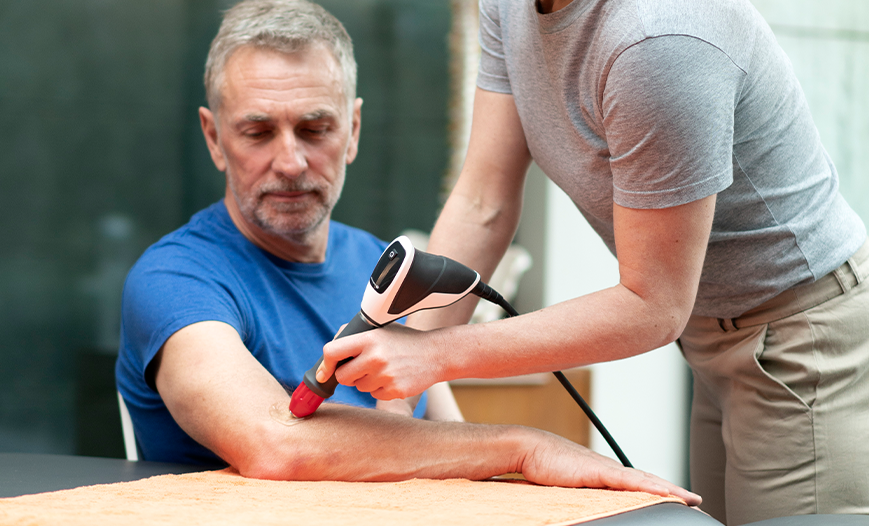
Short-term Efficacy Comparison of High-intensity and Low-intensity Laser Therapy in the Treatment of Lateral Epicondylitis: A Randomized Double-blind Clinical StudyErcan Kaydok, Banu Ordahan, Sezin Solum, Ali Yavuz Karahan Published in: Archives of Rheumatology, 2020 https://doi.org/10.5606/ArchRheumatol.2020.7347 This clinical trial compared high-intensity laser therapy (HILT) to low-intensity laser therapy (LILT) in treating lateral epicondylitis symptoms. Sixty patients with unilateral lateral epicondylitis were randomized to receive HILT or LILT. Patients were blinded to which treatment they received. Both groups completed 9 treatment sessions in 3 weeks. HILT group: Patients received treatment with a 12 W laser. The first 3 sessions used pulsed wave therapy for 75 seconds, 8 W, 6 J/cm2. The following 6 sessions used continuous wave therapy for 30 seconds, 6 W, 120-150 J/cm2. LILT group: Patients received treatment from a laser with an output power of 240 mW. Treatment was given over 6 areas of the lateral epicondyle each about 0.5 cm2. Power density was 2.4 J/cm2 for 30 seconds per spot. Study outcomes included pain assessment (VAS), upper extremity function (QDASH questionnaire), quality of life (SF-36), and grip strength. After 3 weeks of treatment, both the HILT and LILT groups showed significant improvement in pain. Pain scores decreased by 59.7% and 53.5% for the HILT and LILT groups, respectively. Both groups also showed significant improvement in grip strength, QDASH score, and the SF-36 physical component score. However, the HILT group had significantly better outcomes in these functional scores than the LILT group. It can be concluded from the study that both HILT and LILT are effective treatment options for managing pain and disfunction in lateral epicondylitis, but HILT can give patients even better functional outcomes than LILT.
Blog post
Clinical and Sonographic Evaluation of the Effectiveness of Extracorporeal Shock Wave Therapy in Patients with Lateral EpicondylitisSadiye Murat, Bilinc Dogruoz Karatekin, Melisa Zengin PurposeThe aim of this study is to assess the clinical and sonographic outcomes of radial extracorporeal shock wave therapy (rESWT) in patients with lateral epicondylitis (LE). MethodsForty-two patients with LE for at least 3 months were randomized into two groups: rESWT group (21 patients) sham-rESWT control group (21 patients). The rESWT group received rESWT treatment on the lateral epicondyle once per week for 3 weeks, 2000 pulses, 10 Hz, 1.8 bar. The sham-rESWT group followed the same treatment schedule. The ESWT applicator was applied to the lateral epicondyle and made sounds, but no shocks were emitted. Both groups received a wrist resting splint, stretching and strengthening exercises, and ice application. AssessmentsHand grip strength, pain, functionality, and common extensor tendon (CET) thickness were evaluated before, after, and one month post-treatment. Results Baseline: There were no significant differences between the groups. Post-Treatment and One Month Follow-Up: Significant improvements in pain pressure threshold, grip strength, visual analog scale (VAS), and Patient-Rated Tennis Elbow Evaluation scores were observed in both groups. However, the rESWT group showed superior results in these pain reduction and functional improvement measures compared to the control group. For example, after treatment, the median VAS score decreased by 57% in the rESWT group, whereas the sham group VAS scores decreased by only 14%. Sonographic Findings: CET thickness significantly decreased in the rESWT group post-treatment and one month after treatment. The median thickness decreased by 15%. There was no significant change in the control group. Conclusion While both groups showed improvement, the rESWT group showed statistically superior outcomes in function and pain reduction. Sonographic evaluation revealed a significant reduction in CET thickness in the rESWT group, indicating that rESWT has a physical impact on treating LE. Citation: Murat S, Dogruoz Karatekin B, Zengin M. Clinical and Sonographic Evaluation of the Effectiveness of Extracorporeal Shock Wave Therapy in Patients with Lateral Epicondylitis. Medeni Med J. 2024;39(2):109-116. doi:10.4274/MMJ.galenos.2024.60308
Blog post
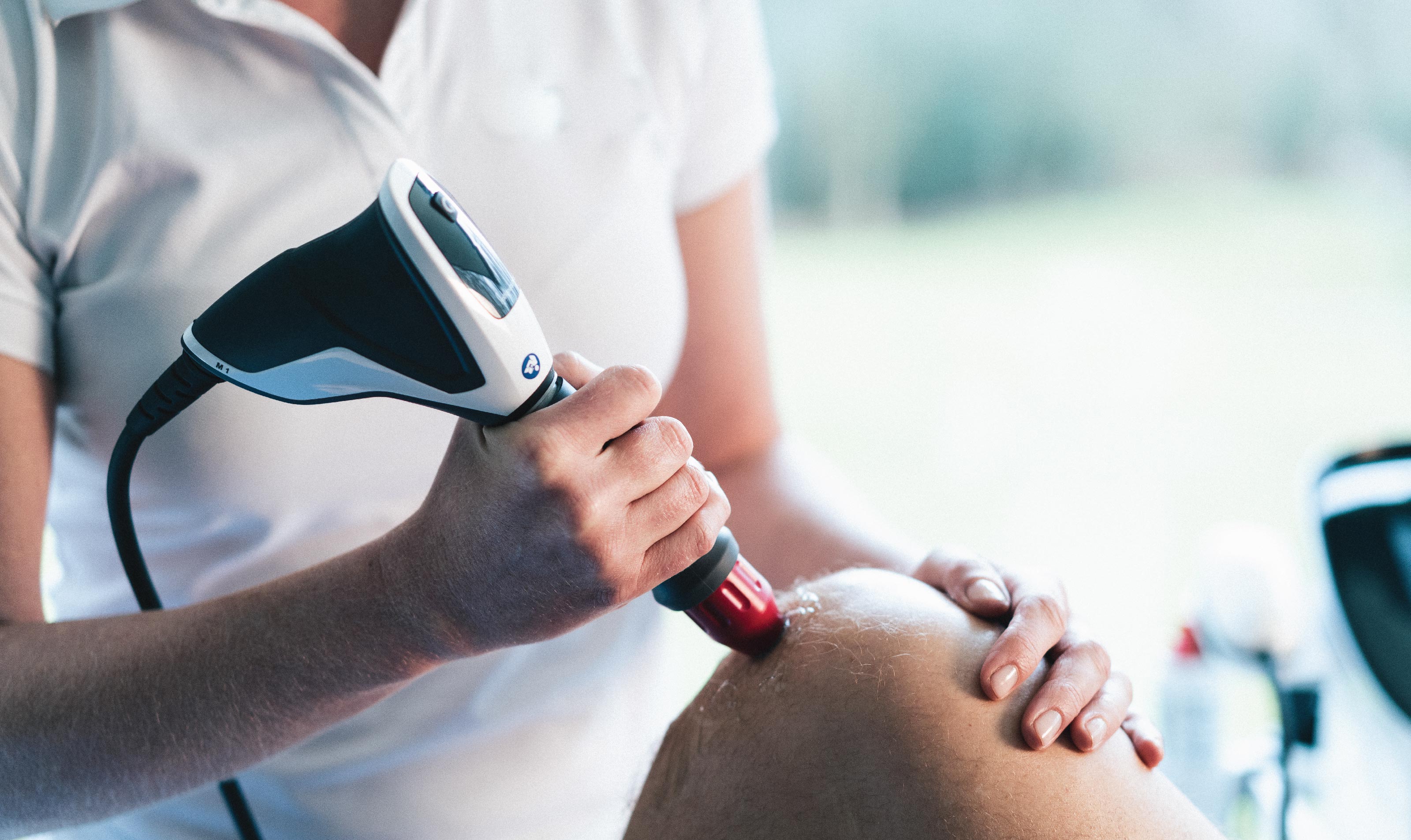
Radial Pressure Wave Therapy: A Promising Treatment Option for Total Knee Arthroplasty PatientsTotal knee arthroplasty (TKA) is a common procedure that can significantly improve quality of life for those suffering from severe knee problems. However, the road to recovery can be long and challenging due to stiffness and pain that can persist for months after surgery. Enter radial pressure wave therapy – an innovative treatment that's showing promising results for TKA patients. Understanding Radial Pressure Wave (RPW) Therapy RPW therapy is a high acoustic energy treatment that uses mechanical pressure waves to stimulate the body’s natural tissue repair processes. While not a true "shockwave," RPW therapy falls under the same umbrella as shockwave therapy and works through a process called mechanotransduction. How RPW Works: An air compressor creates a "puff" behind a metal pellet The pellet strikes the back of a transducer The transducer relays energy through a treatment tip into the patient's tissue The energy propagates radially and decreases as it penetrates deeper into the tissue Customizing Treatment: Intensity is adjusted using bar pressure (1-5 bars on Chattanooga® devices) Different applicator tips (plastic, steel, titanium) allow for varying energy levels Treatment can reach up to 6cm deep with titanium heads RPW for TKA Patients: A Case Study David Levine, a physical therapist and researcher, recently shared his experience using RPW therapy on a TKA patient in an Enovis™ webinar. Patient Profile: Middle-aged, active male Two months post-TKA Complaints: constant pain over lateral IT band, reduced knee flexion due to stiffness Treatment Results: Received three RPW treatments Noticed quick improvements in range of motion Pain decrease began after a couple of days Consistent pain reduction following initial improvement Applying RPW to TKA Patients When using RPW on TKA patients, keep in mind: Avoid treating directly over metal implants Adjust intensity and applicator head for comfort, especially near superficial bone Use patient feedback to guide treatment intensity (aim for 6/10 discomfort level) Expect discomfort to decrease within 90 seconds to 2 minutes of treatment Potential Benefits for TKA Patients: Addresses soft tissue problems around the joint Improves muscle aches and pains Increases circulation Patient Perspective: The treated patient reported significant improvements: Substantial pain relief, especially in problematic areas like IT band insertion Longer-lasting effects compared to dry needling Improved mobility and reduced reliance on assistive devices Radial pressure wave therapy shows great promise for TKA patients struggling with post-operative stiffness, pain, and limited range of motion. By addressing soft tissue issues and pain, RPW can help patients progress more quickly in their recovery, which may lead to improved function and quality of life as demonstrated in the aforementioned case study. As with any treatment, it's essential to tailor the therapy to each patient's unique needs. Looking for more information on RPW therapy? Enovis has several resources to help you learn more about RPW therapy and its many applications in the treatment room. Click any of the links below to access our recommended tools and resources on RPW therapy. [Demonstration] Request a demonstration from your local Chattanooga territory manager. [Webinar] Radial Pressure Wave Treatment for Total Knee Arthroplasty Patient [Webinar] Management of Tendinopathy Using Shockwave and Laser Therapy [eBook] Shockwave and Laser Therapy for Lower Leg Injuries 101 Results from this case study are not predictive of future results. Individual results may vary. Neither DJO, LLC nor any of the Enovis companies dispense medical advice. The contents of this document do not constitute medical, legal, or any other type of professional advice. Rather, please consult your healthcare professional for information on the courses of treatment, if any, which may be appropriate for you.