

Total Items
0
0 Item(s)

Blog post
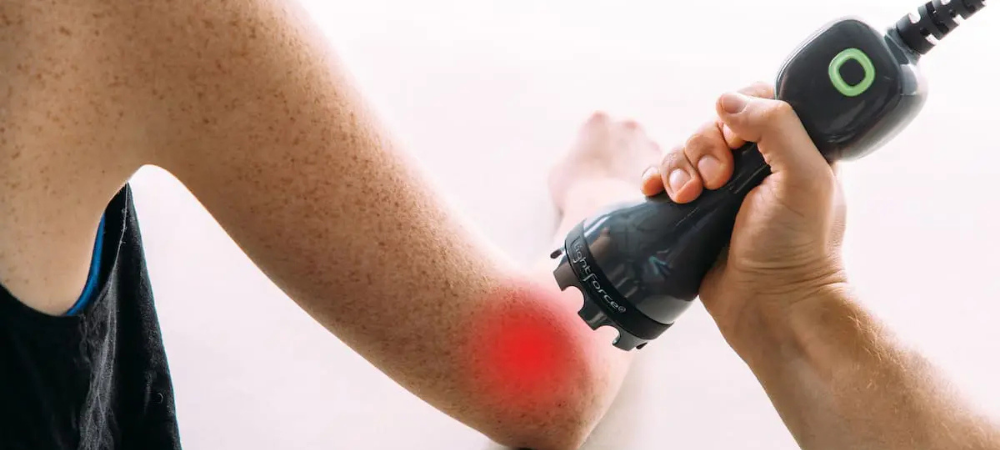
The Truth About Class IV LasersContributed by Adam Marmon, Ph.D. Dangers of the Kitchen Knife There are a variety of tools that we use in our jobs or everyday life that do not present an immediate risk, but if used improperly could cause damage or harm. The most obvious may be a kitchen knife. We probably won’t let our children play with them, but if and when used properly, they are not dangerous. Similarly, in the clinic, there are various pieces of equipment or devices that are designed to be used one way, but if used improperly can hurt someone. Patients have received frostbite from ice packs or been scalded by a hot pack. Ultrasound can cause severe damage to deeper structures, including bone. Electrical stimulation can severely impact cardiovascular health in a patient with a pacemaker. Class IV Deep Tissue lasers are devices manufactured to achieve photobiomodulation (PBM). PBM is a cellular level mechanism that results when photons are absorbed by biological tissue. The absorption in turn initiates a photochemical cascade that leads to increased cellular metabolism, reduced pain and inflammation, and other therapeutic effects. There are risks associated with this technology, just like other modalities in the clinic. Clinical Success However, clinicians who chose to stay at the forefront of technology and offer state-of-the-art care to their patients have implemented Class IV Deep Tissue lasers into their practice. Time and time again, these clinicians are amazed by the results; achieving improved clinical outcomes with their patients. These clinicians should have received proper training on the utility of their laser and been educated by the manufacturer on how to properly dose their system to achieve the desired clinical effects (PBM). Success is consistently achieved using these higher-powered lasers, especially when combined with good clinical understanding of the patient’s condition and his/her goals, realistic expectations, and an appropriate plan of care. Intent Too often there are people less in-the-know who say, “Class IV lasers are dangerous,” “they can damage tissue,” and/or “there is no benefit to higher powered lasers,” or, “patients complain that they are too hot.” It is important to learn the intent of these comments. There are lasers that are designed to be ablative, to cut, damage, or resurface tissue, such as for tattoo removal, hair removal or LASIK surgery. However, Class IV Deep Tissue Therapy Lasers do not and should not cause any damage, when used properly. With that said, improper use of any of a number of household or vocational tools can be dangerous. Heck, you can cut yourself with a kitchen knife if you don’t use it properly. WOW Effect Moreover, if you talk to patients who have received deep tissue laser therapy for any of a wide ranging list of conditions, by properly trained clinicians, using a properly manufactured device for therapeutic effects, they report the experience as feeling, “delicious.” Some say it “feels wonderful” or that Deep Tissue Laser Therapy™ “ feels like a warm shower” and these are comments made during a treatment. The best part is the real therapeutic effect when patients say, “WOW, it doesn’t hurt as much,” or “my pain is gone!” Combine the experience with increases in range of motion and improved quality of life, and laser can make a significant impact on a clinician’s overall care for their patients. Evidence That Speaks for Itself There is growing support for laser therapy, both in the peer-reviewed, publicly available body of literature, and anecdotally by clinicians across the medical community. Clinicians working in rehabilitation and pain management, or orthopedics and sports medicine are seeing the significant improvements with Deep Tissue Laser Therapy™, especially the higher powered, therapeutic, Class IV Systems which are unlike any other modalities. Deep tissue laser therapy is both non-invasive and non-pharmacological. When properly used, Deep Tissue Laser Therapy™ is therapeutic and the effects achieved by laser therapy through PBM lead to improved clinical outcomes, reduced pain, reduced inflammation, and a quicker healing process, all allowing the clinician to help the patient achieve an improved quality of life. Read More Blog Posts
Blog post
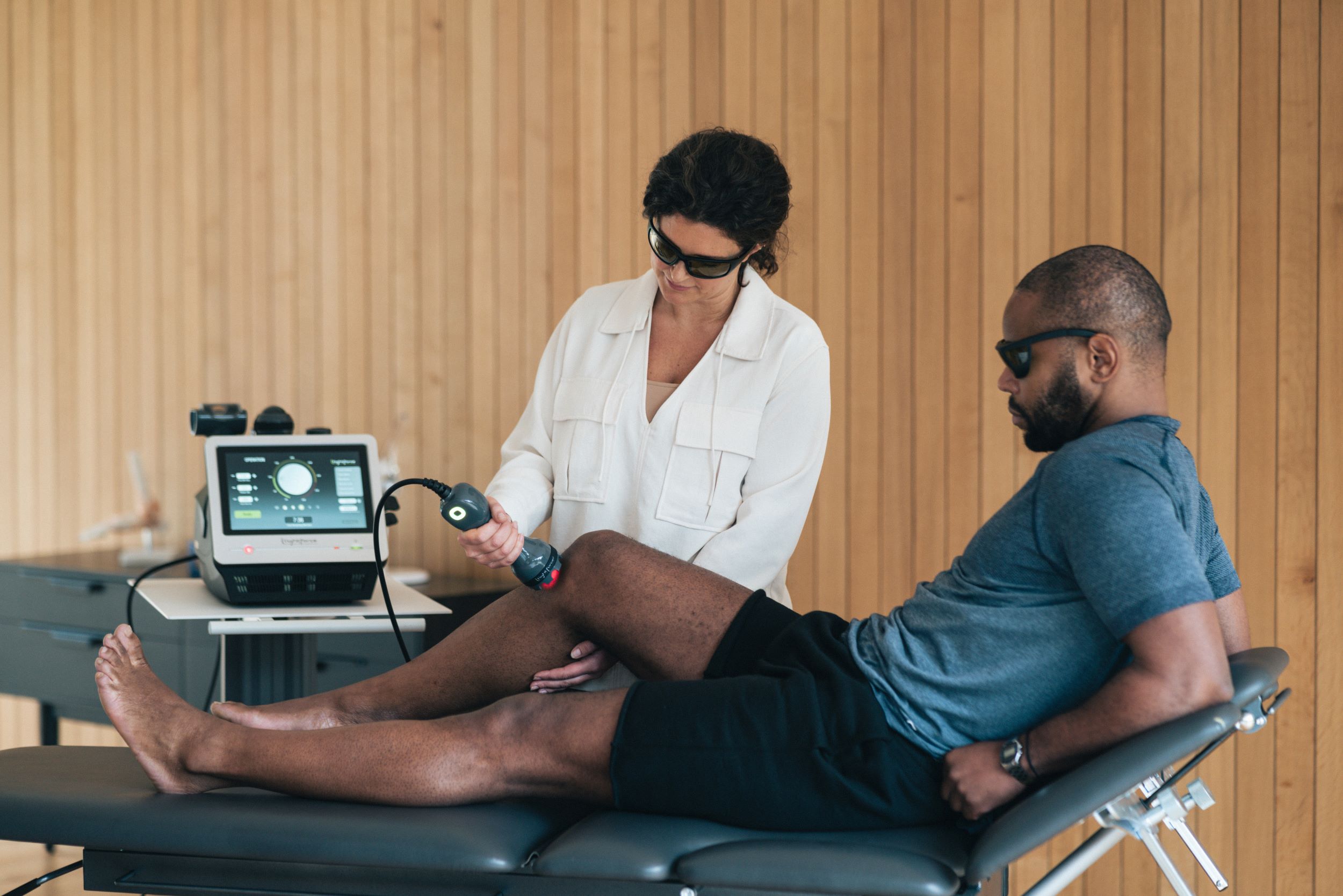
The Science Behind How Laser Therapy WorksHow Does Laser Therapy Work? Image Laser therapy is a medical treatment that uses focused light to stimulate a process called photobiomodulation (PBM means photobiomodulation). During PBM, photons enter the tissue and interact with the cytochrome c complex within mitochondria. This interaction triggers a biological cascade of events that leads to an increase in cellular metabolism, which can decrease pain as well as accelerate the healing process. Photobiomodulation therapy is defined as a form of light therapy that utilizes non-ionizing light sources, including lasers, light emitting diodes, and/or broadband light, in the visible (400 – 700 nm) and near-infrared (700 – 1100 nm) electromagnetic spectrum. It is a nonthermal process involving endogenous chromophores eliciting photophysical (i.e., linear and nonlinear) and photochemical events at various biological scales. This process results in beneficial therapeutic outcomes including but not limited to the alleviation of pain, immunomodulation, and promotion of wound healing and tissue regeneration. The term photobiomodulation (PBM) therapy is now being used by researchers and practitioners instead of terms such as low level laser therapy (LLLT), cold laser, or laser therapy. The fundamental principles that underpin photobiomodulation (PBM) therapy, as currently understood in the scientific literature, are relatively straightforward. There is consensus that the application of a therapeutic dose of light to impaired or dysfunctional tissue leads to a cellular response mediated by mitochondrial mechanisms. Studies have shown that these changes can impact pain and inflammation, as well as, tissue repair. Image Photobiomodulation Process Stimulate Cytochrome C The primary target for the photobiomodulation process is the Cytochrome C complex, which is found in the inner membrane of the cell mitochondria. Cytochrome C is a vital component of the electron transport chain that drives cellular metabolism. Increase Production of ATP (Energy) As light is absorbed by Cytochrome C oxidase (COX), it stimulates the electron transport chain to increase the production of adenosine triphosphate (ATP) within the mitochondria. When tissue is damaged, the production of ATP in the cell is impaired which slows down the metabolism of the cell as a protective mechanism. PBM helps restore the oxidative process which helps restore normal cellular function. Increase NO and ROS Activity In addition to ATP, laser stimulation also produces free nitric oxide (NO) and modulates reactive oxygen species (ROS). NO is a powerful vasodilator and an important cellular signaling molecule involved in many physiological processes. ROS have been shown to affect many important physiological signaling pathways including the inflammatory response. Together, increased NO and improved ROS levels provide an environment for faster signaling, resulting in decreased inflammation. Restore Cellular Energy Balance PBM helps restore normal cellular function which helps prevent apoptosis (cell death). This helps reduce inflammation, edema, and hastens the tissue repair process. Reaching Target Tissue For PBM to occur, light needs to reach the mitochondria of the damaged target tissue. When laser therapy is applied to the surface of the skin the best results are achieved when a sufficient amount of light (number of photons) reaches the target tissue. There are a number of factors that can help maximize the light that reaches the target tissue, including: • Light Wavelength • Minimizing Unwanted Absorption • Power • Reducing Reflections What Wavelengths of Light are the Best for Photobiomodulation (PBM)? As opposed to white light, which contains a broad range of wavelengths, laser light is monochromatic which means it contains one wavelength. The unit used to measure wavelength is a nanometer (nm). Much research has been done to investigate how melanin, blood, fat and water absorb light, and this has led researchers to define a window or range of wavelengths through which light can penetrate biological tissue. This window is referred to as the optical or therapeutic window. Image This graph shows water absorption on a linear scale. LightForce® lasers utilize both 810 and 980 nm wavelengths due to their ability to be preferentially absorbed by musculoskeletal tissues. These wavelengths also minimize the interference of melanin which has an affinity for shorter wavelengths as well as the impact of water within the body which preferentially absorbs longer wavelengths. Energy that is absorbed by melanin or water in the body is energy that is lost at the target tissue. Power The brightness of a laser is defined in a similar fashion as other light sources, in Watts (W) or milliwatts (mW). Power influences photobiomodulation therapy in a number of ways. When energy is imparted to the body, it is measured in Joules. Joules is the product of power (Watts) x time (seconds). By definition, higher power allows Joules to be delivered to tissue in less time. This allows larger areas and deeper tissues to be treated more quickly. Recent research has also shown that higher power density, referred to as irradiance, can have profound effects on reducing pain in minutes. All of these factors are clinically desirable. Early therapeutic lasers had very low powers (less than 0.5 W) and very small beam areas (or spot sizes); consequently, early studies were often disappointing because the low powers were not able to provide a sufficient number of photons to significantly impact injured cells. The FDA classifies lasers according to their output power and risk to the eye. These classes include IIa (bar code scanner), IIIa (laser pointer), IIIb (industrial and therapy lasers <499 mW), and Class IV (all lasers >500 mW). In December 2003, the FDA approved the first Class IV laser for the relief of minor muscle and joint pain. In October 2006, LiteCure, LightForce®’s parent company, was formed and FDA clearance for the LCT-1000, a Class IV medical therapy laser, was granted in February 2007. LightForce® has been providing Class IV lasers for the US market, and growing global market, ever since. LightForce® lasers not only have the ability to deliver higher power for various conditions, but they also incorporate delivery systems that can efficiently treat tissue in a way that is comfortable to the patient. Simply stated, injured tissue requires threshold levels of light (photons) to be delivered in order to have a therapeutic effect. Hundreds of scientific studies on photobiomodulation therapy have been done in vivo and have characterized the dosages needed to achieve a cellular response to light. The required levels of energy needed to impact tissue during in vivo studies is significantly higher due to the loss of energy that takes place as light travels through tissue. Examples of these losses include the impact of melanin in the skin, extra cellular water, and other molecules in the plasma that might absorb photonic energy. LightForce® has participated in multiple double-blind photobiomodulation therapy studies in order to help quantify these differences and deliver protocols that are safe and effective. Image Infrared images illustrate the amount of light seen on the back of the hand when laser light is applied to the palm at 1 watt, 5 watts, and 10 watts of power. The greater the power, the larger the number of photons that will be delivered to deeper tissues during photobiomodulation therapy. With the higher power lasers, it is possible to not only apply the benefits of PBM superficially, but it is also possible to treat a greatly expanded range of conditions by delivering a clinically effective quantity of photons to cells deep within tissue. Learn more about how power impacts photobiomodulation therapy. > Ready to Learn More? Read about the latest science in photobiomodulation therapy. > Watch the webinar: What is Laser Therapy? >
Blog post
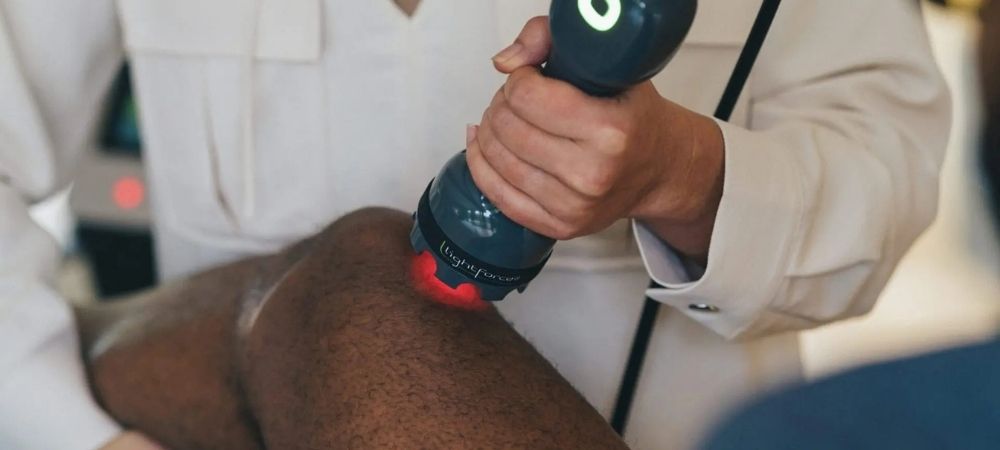
A Quick Overview of Laser TherapyPhotobiomodulation LightForce® therapy lasers work by flooding the tissue with photons, which energizes cells resulting in increased circulation to the injured area and ultimately pain reduction, in a process called photobiomodulation (PBM). Acute Conditions Laser therapy has been shown to be effective to help treat acute conditions. Bringing pain under control quickly helps the healing process and usually helps promote better outcomes. Chronic Conditions With chronic conditions, research has shown that therapy lasers can be used to help combat persistent pain and promote circulation to damaged tissues. It can be a powerful, non-pharmaceutical solution to help reduce pain without the side effects of medication.1,2 Post-Activity Recovery LightForce® Therapy Lasers can be found on the sidelines of many pro, college, and Olympic sports teams across the United States and many parts of Europe and Asia. Laser therapy has been shown to be effective at improving post-activity recovery times and reducing delayed onset muscle soreness (DOMS).3 Other conditions that can laser therapy can help treat: TMJ6,7 Neck Pain8 Shoulder Pain9,10,11 Elbow & Joint Pain12 Fibromyalgia13 Low Back Pain14,15 Sciatica16,17 Arthritis18 Sports Injuries19,20 Soft Tissue Damage21 Plantar Fasciitis22,23 Safety LightForce® therapy lasers are cleared by the FDA and adhere to strict ISO standards in order to provide you with a safe, non-invasive treatment option and effective alternative to drugs and surgery.4 Low Level Laser Therapy (Including PBM) Research Articles LLLT or Low Level Laser Therapy: 7,364Photobiomodulation (PBM): 1,151 *Data According to PubMed What Leading Healthcare Organizations Have to Say About Laser Therapy “Clinicians should consider the use of low-level laser therapy to decrease pain and stiffness inpatients with Achilles tendinopathy.” – APTA “Laser therapy is beneficial in treatment of neck pain.” – WHO “Laser therapy shows strong evidence of effectiveness for pain relief.” – IASP Read specific case studies, > articles, > or watch webinars. > Clinical FAQs Is there a certification to administer low level laser therapy? Every clinician using a LightForce® therapy laser is encouraged to complete certification training through the American Institute of Medical Laser Applications (AIMLA). LightForce® provides access to this training to every clinical office or athletic training team that becomes a customer. In addition, LightForce® provides onsite installation training from our clinically trained representatives. This secondary training certification accredits clinicians in the operation of the laser device. What does power or wattage have to do with LLLT (laser therapy treatments)? The biggest challenge in photobiomodulation therapy is getting light energy in sufficient quantity to injured tissues. Skin does an excellent job scattering and reflecting most of the light that it is introduced to it. Additionally, melanin absorbs most of the remainder of light into the skin, leaving very little to get transmitted below skin level. When normal white light or sunshine hits the skin, very few photons get past this impressive gate keeper. As if the natural barriers to light weren’t enough, most injuries involve dozens to hundreds of square centimeters of tissue damage. When larger areas need to be treated, even more power is needed at the surface to maintain the same therapeutic dose at depth over the entire treatment area. Therefore, even if you are using a laser that has the appropriate wavelengths to penetrate tissue ideally, but has a very low level of overall power, you will only be able to effectively treat very small areas. Additionally, treatments may take 30 minutes or longer. The higher wattage Class 4 lasers (anything above 0.5W) allow for sufficient laser energy to be passed onto nerve, muscle, ligament, tendon, and/or capsular tissue in a reasonable amount of time. Normal treatment sessions range from 3-10 minutes, which is quite acceptable in a clinical setting. Higher powered lasers will also allow clinicians to have the versatility to treat injured tissue in multiple areas in a given session, which greatly improves the overall effectiveness of the laser when adding it to a plan of care. What’s the difference between a super pulsed laser, gated pulsing laser or continuous wave laser? Photobiomodulation therapy can be delivered in either a continuous wave or pulsed mode. Typically, there are two types of pulsing used in therapy lasers—super pulsed or gated. Super Pulsed. Various claims suggest there are ideal pulsing frequencies; however, there are no published reports that show Super Pulsing is more effective than constant wave forms of light therapy. Gated. When the laser is used in gated mode, it is cycling its continuous wave power on and off and consequently delivering a lower average output power. In general, the use of pulsing decreases light delivered to the target due to photos being emitted in short bursts with slack periods between. Continuous Wave. Continuous wave lasers deliver photobiomodulation therapy by having the laser “on” all the time. There is no period where the laser is “off” during the treatment. It is analogous to turning on a light to brighten a room. In most cases, LightForce® recommends the use of its equipment in this fashion to maximize energy delivery to the treatment area. This helps promote consistent outcomes by making it easier to correctly dose tissue in less time. What are the contraindications for laser therapy? The following are contraindications with laser therapy. Do not treat over growth plates in children. Do not treat pregnant patients over the abdominal area or the low back/ pelvic area. Avoid treating around glandular tissue (such as thyroid, testes, ovaries). Do not treat over pacemakers or internal pain pumps. Do not treat patients taking photosensitive medications (such as steroids or antibiotics) What are the side effects of laser therapy? Based on peer-reviewed literature, there are no known significant side effects from laser therapy for most conditions. Increased blood flow is a positive benefit associated with laser therapy that can cause the skin to get flush and the feeling of warmth. These changes are short-lived, typically lasting for up to a few hours. Improper dosing can lead to increased swelling for acute injuries where there is a lot of inflammation present as well as increased nerve-related pain for certain conditions when irritable nerve tissue is over stimulated. This is usually correctable by adjusting the treatment settings. On these rare occasions, the setbacks usually reverse themselves within 24-36 hours. Understanding proper dosing parameters minimizes this phenomena. Is Class 4 laser a cold laser? The term “Cold Laser” is a dated term. It was created to help describe lower power Class 2 and 3 lasers that don’t have power densities (irradiance) sufficiently high enough to create surface heat when applied. Therefore, Class 4 lasers, or Class IV lasers, are not technically “Cold Lasers” since they do create a warming sensation on the skin when applied in most cases. Since 2015 , the correct term that encompasses all therapy lasers and LEDs is photobiomodulation (PBM). This term describes all light sources that are designed to promote circulation, improve tissue repair, and reduce pain. Can low level laser therapy be used with other modalities/treatments? Yes, it generally works well with other modalities that are designed to promote tissue repair. Examples might include blood flow restriction and shockwave devices. The mechanisms that are associated with these modalities work well with laser therapy. Generally using modalities that are designed to provide cryotherapy which generally reduce blood flow and promote vasoconstriction are not recommended as adjunctive therapies with laser. Can laser be effective as a post-surgical treatment for pain? Absolutely! Some of the most consistently reported benefits of laser therapy are related to reduced pain after treatment. Research has shown that PBM can speed up the healing process of certain tissues through increased cellular metabolism. For post-surgical patients, appropriate doses of light energy can be delivered to effectively reduce pain, without negatively impacting the body’s natural healing process.5 Can laser be used over metal/implants? Yes, laser can be used over metal implants/ hardware. At the irradiance levels used with LightForce equipment, light will simply bounce off of metal. There will be no heating that takes place at depth when using LightForce® lasers within recommended parameters. Is laser effective for treating arthritis? The suffix, –itis comes from the Greek that denotes inflammation. Several studies have shown that laser is an excellent therapy to help address the symptoms related to both osteo and rheumatoid arthritis. While it will not restore damaged cartilage, it can help improve ROM of the affected joints and help reduce pain so that functional levels can be maintained, NSAIDS can be reduced, and in some cases, more invasive procedures can be delayed or prevented. Is there any literature supporting the use of low level laser therapy (LLLT) in rehabilitation? Yes, there is a growing body of peer-reviewed clinical research supporting the use of Class 4, deep tissue lasers as a safe and effective treatment option for a myriad of conditions in rehabilitation. This body of literature includes numerous randomized control trials. As of 2020, a search on Pubmed.com yielded over 7500 publications on “Low Level Laser Therapy” and over 1200 articles on the more recently coined term “Photobiomodulation”. What is the purpose of laser therapy? Laser therapy, or photobiomodulation, is the process of photons entering the tissue and interacting with the cytochrome c complex within the cell mitochondria. The result of this interaction, and the point of conducting laser therapy treatments, is the biological cascade of events that leads to an increase in cellular metabolism (promoting tissue healing) and a decrease in pain. Laser therapy is used to treat acute and chronic conditions as well as post-activity recovery. It is also used as another option to prescription drugs, a tool to prolong the need for some surgeries, as well as pre and post-surgery treatment to help control pain. Patient FAQs Is laser therapy painful? What does laser therapy feel like? Laser therapy treatments must be administered directly to skin, as laser light cannot penetrate through layers of clothing. You will feel a soothing warmth as the therapy is administered. Many patients receiving LightForce® Therapy Laser treatments report enjoying the experience, especially when a massage-ball treatment head is used to deliver what is often referred to as a “laser massage.” Patients receiving treatments with higher-power lasers also frequently report a rapid decrease in pain. For someone suffering from chronic pain, this effect can be particularly pronounced. Laser therapy for pain can be a viable treatment. Is laser therapy safe? Class IV laser therapy (now called photobiomodulation) devices were cleared in 2004 by the FDA for the safe and efficacious reduction of pain and increasing micro-circulation. Therapy lasers are safe and effective treatment options to reduce musculoskeletal pain due to injury. The biggest risk to injury during laser therapy treatments is to the eye, which is why certified, protective eyewear is always required during LightForce® treatments. How long does a therapy session last? With LightForce® lasers, treatments are quick usually 3-10 minutes depending on the size, depth, and acuteness of the condition being treated. High-power lasers are able to deliver a lot of energy in a small amount of time, allowing therapeutic dosages to be achieved quickly. For patients and clinicians with packed schedules, fast and effective treatments are a must. How often will I need to get treated with laser therapy? Most clinicians will encourage their patients to receive 2-3 treatments per week as the therapy is initiated. There is well-documented support that the benefits of laser therapy are cumulative, suggesting that plans for incorporating laser as part of a patient’s plan of care should involve early, frequent treatments that may be administered less frequently as the symptoms resolve. How many treatment sessions will I need? The nature of the condition and the patient’s response to the treatments will play a key role in determining how many treatments will be needed. Most laser therapy plans of care will involve 6-12 treatments, with more treatment needed for longer standing, chronic conditions. Your doctor will develop a treatment plan that is optimal for your condition. How long will it take until I notice a difference? Patients often report improved sensation, including a therapeutic warmth and some analgesia immediately after the treatment. For noticeable changes in symptoms and condition, patients should undergo a series of treatments as the benefits of laser therapy from one treatment to the next are cumulative. Does insurance cover treatments? Generally insurances do not reimburse for laser treatments despite there being codes that can be used to submit for the service. Laser treatments are usually handled as a cash transaction between the clinic and the patient. Average cost of a treatment varies across the country. Many clinics offer discounts when purchasing visits in packages. We recommend checking with your provider to get specific pricing. Do I have to limit my activities? Laser therapy will not limit a patient’s activities. The nature of a specific pathology and the current stage within the healing process will dictate appropriate activity levels. Laser will often reduce pain which will make it easier to perform different activities and will often help restore more normal joint mechanics. That being said, reduced pain should not overshadow the advice of a medical professional that understands how the laser will fit into a rehabilitation protocol when deciding how aggressively to push functional limits. With LightForce® lasers, treatments are quick usually 3-10 minutes depending on the size, depth, and acuteness of the condition being treated. High-power lasers are able to deliver a lot of energy in a small amount of time, allowing therapeutic dosages to be achieved quickly. For patients and clinicians with packed schedules, fast and effective treatments are a must. The nature of the condition and the patient’s response to the treatments will play a key role in determining how many treatments will be needed. Most laser therapy plans of care will involve 6-12 treatments, with more treatment needed for longer standing, chronic conditions. Your doctor will develop a treatment plan that is optimal for your condition. Recommended Webinars What is Laser Therapy? Super Confused About Super Pulsing? Laser Therapy Integration into Modalities Curriculum Learn about the science behind deep tissue therapy lasers. > References 1. Holanda VM, Chavantes MC, Silva DF, de Holanda CV, de Oliveira JO Jr, Wu X, Anders JJ. Photobiomodulation of the dorsal root ganglion for the treatment of low back pain: A pilot study. Lasers Surg Med. 2016 Sep 2. Holanda VM, Chavantes MC, Wu X, Anders JJ. The mechanistic basis for photobiomodulation therapy of neuropathic pain by near infrared laser light. Lasers Surg Med. 2017 Jul 3. De Marchi T, Schmitt VM, Machado GP, de Sene JS, de Col CD, Tairova O, Salvador M, Leal-Junior EC. Does photobiomodulation therapy is better than cryotherapy in muscle recovery after a high-intensity exercise? A randomized, double-blind, placebo-controlled clinical trial. Lasers Med Sci. 2017 Feb 4. Dima R, Tieppo Francio V, Towery C, Davani S. Review of Literature on Low-level Laser Therapy Benefits for Nonpharmacological Pain Control in Chronic Pain and Osteoarthritis. Altern Ther Health Med. 2018 Sep 5. Langella LG, Casalechi HL, Tomazoni SS, Johnson DS, Albertini R, Pallotta RC, Marcos RL, de Carvalho PTC, Leal-Junior ECP. Photobiomodulation therapy (PBMT) on acute pain and inflammation in patients who underwent total hip arthroplasty-a randomized, triple-blind, placebo-controlled clinical trial. Lasers Med Sci. 2018 Dec 6. Abbasgholizadeh ZS, Evren B, Ozkan Y. Evaluation of the efficacy of different treatment modalities for painful temporomandibular disorders. Int J Oral Maxillofac Surg. 2020 May;49(5):628-635. doi: 10.1016/j.ijom.2019.08.010. Epub 2019 Sep 21. PMID: 31547949. 7. Khairnar S, Bhate K, S N SK, Kshirsagar K, Jagtap B, Kakodkar P. Comparative evaluation of low-level laser therapy and ultrasound heat therapy in reducing temporomandibular joint disorder pain. J Dent Anesth Pain Med. 2019 Oct;19(5):289-294. doi: 10.17245/jdapm.2019.19.5.289. Epub 2019 Oct 30. PMID: 31723669; PMCID: PMC6834715. 8. Chow RT, Johnson MI, Lopes-Martins RA, Bjordal JM. Efficacy of low-level laser therapy in the management of neck pain: a systematic review and meta-analysis of randomised placebo or active-treatment controlled trials. Lancet. 2009 Dec 5;374(9705):1897-908. doi: 10.1016/S0140-6736(09)61522-1. Epub 2009 Nov 13. Erratum in: Lancet. 2010 Mar 13;375(9718):894. PMID: 19913903. 9. Santamato A, Solfrizzi V, Panza F, Tondi G, Frisardi V, Leggin BG, Ranieri M, Fiore P. Short-term effects of high-intensity laser therapy versus ultrasound therapy in the treatment of people with subacromial impingement syndrome: a randomized clinical trial. Phys Ther. 2009 Jul;89(7):643-52. 10. Kim SH, Kim YH, Lee HR, Choi YE. Short-term effects of high-intensity laser therapy on frozen shoulder: A prospective randomized control study. Man Ther. 2015 Dec;20(6):751-7. doi: 10.1016/j.math.2015.02.009. Epub 2015 Mar 2. PMID: 25770420. 11. Awotidebe AW, Inglis-Jassiem G, Young T. Low-level laser therapy and exercise for patients with shoulder disorders in physiotherapy practice (a systematic review protocol). Syst Rev. 2015 Apr 30;4:60. doi: 10.1186/s13643-015-0050-2. PMID: 25925768; PMCID: PMC4423144. 12. Panton L, Simonavice E, Williams K, Mojock C, Kim JS, Kingsley JD, McMillan V, Mathis R. Effects of Class IV laser therapy on fibromyalgia impact and function in women with fibromyalgia. J Altern Complement Med. 2013 May;19(5):445-52. doi: 10.1089/acm.2011.0398. Epub 2012 Nov 23. PMID: 23176373. 13. Roberts DB, Kruse RJ, Stoll SF. The effectiveness of therapeutic class IV (10 W) laser treatment for epicondylitis. Lasers Surg Med. 2013 Jul;45(5):311-7. doi: 10.1002/lsm.22140. Epub 2013 Jun 3. PMID: 23733499. 14. Alayat MS, Atya AM, Ali MM, Shosha TM. Long-term effect of high-intensity laser therapy in the treatment of patients with chronic low back pain: a randomized blinded placebo-controlled trial. Lasers Med Sci. 2014 May;29(3):1065-73. doi: 10.1007/s10103-013-1472-5. Epub 2013 Nov 2. 15. Yousefi-Nooraie R, Schonstein E, Heidari K, Rashidian A, Pennick V, Akbari-Kamrani M, Irani S, Shakiba B, Mortaz Hejri SA, Mortaz Hejri SO, Jonaidi A. Low level laser therapy for nonspecific low-back pain. Cochrane Database Syst Rev. 2008 Apr 16;(2):CD005107. doi: 10.1002/14651858.CD005107.pub4. PMID: 18425909. 16. Holanda VM, Chavantes MC, Silva DF, de Holanda CV, de Oliveira JO Jr, Wu X, Anders JJ. Photobiomodulation of the dorsal root ganglion for the treatment of low back pain: A pilot study. Lasers Surg Med. 2016 Sep;48(7):653-9. doi: 10.1002/lsm.22522. Epub 2016 May 2. PMID: 27135465. 17. Jovicić M, Konstantinović L, Lazović M, Jovicić V. Clinical and functional evaluation of patients with acute low back pain and radiculopathy treated with different energy doses of low level laser therapy. Vojnosanit Pregl. 2012 Aug;69(8):656-62. PMID: 22924260. 18. Dima R, Tieppo Francio V, Towery C, Davani S. Review of Literature on Low-level Laser Therapy Benefits for Nonpharmacological Pain Control in Chronic Pain and Osteoarthritis. Altern Ther Health Med. 2018 Sep;24(5):8-10. PMID: 28987080. 19. Alves AN, Fernandes KP, Deana AM, Bussadori SK, Mesquita-Ferrari RA. Effects of low-level laser therapy on skeletal muscle repair: a systematic review. Am J Phys Med Rehabil. 2014 Dec;93(12):1073-85. doi: 10.1097/PHM.0000000000000158. PMID: 25122099. 20. Dornelles MP, Fritsch CG, Sonda FC, Johnson DS, Leal-Junior ECP, Vaz MA, Baroni BM. Photobiomodulation therapy as a tool to prevent hamstring strain injuries by reducing soccer-induced fatigue on hamstring muscles. Lasers Med Sci. 2019 Aug;34(6):1177-1184. doi: 10.1007/s10103-018-02709-w. Epub 2019 Jan 3. PMID: 30607719. 21. Alves AN, Fernandes KP, Deana AM, Bussadori SK, Mesquita-Ferrari RA. Effects of low-level laser therapy on skeletal muscle repair: a systematic review. Am J Phys Med Rehabil. 2014 Dec;93(12):1073-85. doi: 10.1097/PHM.0000000000000158. PMID: 25122099. 22. Ordahan B, Karahan AY, Kaydok E. The effect of high-intensity versus low-level laser therapy in the management of plantar fasciitis: a randomized clinical trial. Lasers Med Sci. 2018 Aug;33(6):1363-1369. doi: 10.1007/s10103-018-2497-6. Epub 2018 Apr 7. PMID: 29627888. 23. Tiwari, Mukesh & Lamba, Dheeraj. (2014). Benefical effects of Low Level Laser Therapy in Musculoskeletal Disorders of Foot-Plantar Fasciitis, a Review. Indian Journal of Physiotherapy and Occupational Therapy – An International Journal. 8. 70. 10.5958/j.0973-5674.8.1.015.

Blog post
Are You Buying a Box, or Investing in a Solution? 4 Questions to Help You Avoid a Costly Mistake When Buying a Therapy LaserWhen investing in a therapy laser, most people spend time comparing the features/benefits of the equipment, but neglect to do their research on the companies behind the equipment. The first question most practitioners are thinking is, “How much is this going to cost me?” The real question might be, “how much am I willing to risk by buying a product that might not be supported by the vendor in the next couple years?” Making a sizable capital purchase should be looked at with a wider view, beyond just the purchase price. Here are 4 questions every healthcare professional should ask before bringing laser therapy into their practice to avoid making a costly mistake. Image Is the company selling the laser also the manufacturer?At first, this may not seem like an important question. Often vendors selling laser platforms sell equipment from multiple companies with different levels of quality and varying levels of history in the laser market. This can make it difficult to compare apples to apples when looking at a pricing list. As with any product, quality can vary from company to company. Knowing the service history of the company that makes the laser as well as the track record of the vendor selling the equipment is a good place to start. Looking at how they’ve been reviewed on their website(s) as well as what their social media reviews look like, should start to paint the picture of whether or not you want to start a business relationship with that company. If you are having trouble finding any of this information on a given device or company, this should raise buyers’ level of skepticism regarding the long-term prospects of the potential relationship.Buying directly from the manufacturer of the equipment has significant benefits. Getting older units serviced can become problematic when purchasing equipment from companies that are not well established. They may go out of business or discontinue carrying the device you purchased. This can make it difficult or impossible to maintain your equipment over the life of the unit. Dealing with a reputable manufacturer often enables customers to have lasting service options/ warranty opportunities on their laser, which creates peace of mind for the end user regarding service and ensuring the longevity of their purchase. As equipment ages, it also opens the door to trade-in options if your business decides to upgrade the laser. Vendors that simply sell the equipment on a commission basis, usually have no mechanism to trade-in older equipment and provide any value regarding your initial purchase. For instance, when a laser company introduces a newer platform that may have options you desire, what options do you have? LightForce customers over recent years have been able to upgrade their equipment when desired. They received substantial trade-in value for their older unit and were able to move into the more current i-Series platforms with updated software, and in many cases increased power output. Is having that type of flexibility important to you? If so, asking what kind of trade in programs a company has to offer should be part of your due diligence. What happens when something goes wrong?Even the highest quality therapy lasers on the market occasionally need servicing. Having a live voice on the other end of the phone goes a long way in these instances. Having your laser equipment down for any length of time can result in frustration and lost profits. LightForce understands this and provides industry leading customer service, making sure that you are up and running as soon as possible. Often a solution can be worked out within 24 hours, even if that requires a loaner unit being provided. Questions you should consider regarding customer service include: What kind of warranty does the equipment carry? What specifically does it include? Does it only cover the cost or repair, or does it cover shipping too? Is a loaner unit provided during servicing so I can keep treating without interruption? When I have a problem or a question, is there a dedicated customer care team available to answer my call or email? Can I trust that they will be able to answer my questions or find someone in a reasonable amount of time? Will they be willing to work with me until my problem is resolved? If presented with a challenging case, is there clinical support available to answer treatment questions? What kind of professional answers these questions? Are they able to provide recommendations regarding both clinical and operational problems to ensure optimal results from my laser program? I’m a provider, not a marketer. How do I make sure this is successful for me?When you’re focused on providing excellent care for your patients, it’s often difficult to balance the heavy responsibility for marketing your practice. Educating people about your services and increasing your patient base is important for the long-term health of your practice, but you don’t have to do it all yourself –when you are partnered with a company who is as committed to your success as you are. Make sure you inquire about the level of marketing support a company provides. Do they offer marketing packages for purchase that include both digital and print media? Do they also offer educational resources such as webinars, eBooks, blog posts, etc., that will further bolster your marketing efforts? Look at the online presence of any companies you are considering. Are they working to educate people about laser therapy? Do they have an active presence on social media and post content that you can share with your audience? Many people rely on the recommendations of friends and family when looking for practitioners, and social media is where they are making these recommendations in real-time, so if you’re not working with a company that is helping promote your services on-line, you are missing out. Will my staff and I be trained how to use and implement this modality?It is also crucial to find out what kind of training is offered. You may be eager to get started using your new equipment, but proper training and installation are crucial to the success of your laser therapy program. Inquire carefully about how your staff will be trained on the laser. Is it in person, on line, or is training only provided via printed materials that come with the unit? Training should not only include the basics of equipment operation and treatment techniques, but also steps for achieving clinical integration to make sure you’re generating a desirable ROI from your laser program. Image Look for a Partner, Not a PurveyorImplementing a successful laser therapy program requires more than purchasing a quality piece of equipment. To get the biggest ROI on your investment and your time, you need to closely evaluate the company you decide to partner with as support, longevity, and your ability to rely on their guidance in a number of areas will ultimately define the success of your program.If you’re ready to get started with a laser therapy program in your practice, click here to schedule your free in-office demonstration and find out why LightForce is your ideal partner. Read More Blog Posts

Blog post
5 Step Guide to Improving the Patient Experience – Step 5: TechnologyContributed by Mark Callanen, PT, DPT, OCS This is either a term that gets you excited or makes you want to turn the page. Technology has the potential to add value to multiple areas of a practice if it is embraced. Image Improving CommunicationThe way people communicate has changed over recent years. Having the ability to communicate with patients on-line via social media and email campaigns are powerful direct marketing tools that can drive new patients to a practice. If you don’t know where to begin regarding social media, there are third party services available for different professions that specialize in this arena. They can perform the heavy lifting via email blasts, social media posts, and a host of other digital services that will bring new patients to the front door with minimal effort from the provider. Scheduling software that can send out text reminders for appointments can help reduce cancellation and no-show ratios, which will quickly translate to better revenue figures. This may also lead to better patient compliance. 40% of physicians polled stated that using digital means to communicate with patients improved outcomes (source: Trident University poll). Improving Patient PerceptionEquipment and treatment modalities can also add value to a practice. While some manual therapists generally reject modalities, having up to date services and evidence-based equipment will help a practice appear “state of the art” which is a great impression to make on new patients. Newer services like laser therapy are gaining recognition in the public domain and this presents an opportunity to attract new patients. Image If you disagree, think about how popular cupping procedures became after the last Summer Olympics when Michael Phelps showed up to the pool with the circular bruises all over his body as he collected his gold medals. Savvy business owners quickly went out and purchased the equipment to capture patients that wanted to try it out. When the buzz for a procedure is out in the general public, you want to have that service in your clinic, or risk losing potential patients to the next clinic on a Google search list that does provide it. Improving Profit MarginNon-invasive, Class 4 laser therapy is unique in that is has the ability to quickly reduce pain and ameliorate the tissue healing process. It is a natural adjunct to most plans of care in the rehab setting, which means it can be marketed to existing and new patients alike that are trying to manage pain and inflammation. As the general public is becoming more aware of the need to find non-opioid pain solutions, laser therapy is a value proposition that patients are looking for and a marketing message that owners can get behind. It is a solution that is paying cash dividends to clinic owners investing in this service. Other cash generating technology involves movement analysis. Common examples would be computer analyzed running assessment and bike fitting programs designed to help endurance athletes maximize efficiency. Other specialized fitness programs that incorporate motion analysis for throwers, golfers, or jumping athletes can tap into one of the most cash-rich areas of private practice; youth athletic performance. Having specialized tools and trained staff members that focus on one or more of these areas is a way to navigate a practice into this revenue stream. “Build it and they will come….” Computer assisted orthotic prescription is another way to help differentiate practices that want to focus on this area of therapy and charge a premium for this service. Using force readings that can interpret pressures during static and dynamic stance can help improve orthosis or shoe prescription/ fabrication beyond the capacity of taking simple ROM measurements with foam or plaster molds. Read More Blog Posts

Blog post
5 Step Guide to Improving the Patient Experience – Step 4: CommunicationContributed by Mark Callanen, PT, DPT, OCS How important is the communication between staff and patients in a facility? A recent patient satisfaction poll taken by Medicare.gov stated that all of the top 4 factors, and 5 of the top 8 factors dealt with communication!1 These included communication: with nurses, doctors, learning about their medications, responsiveness of staff, and discharge instructions, in that order. How patient interaction is managed can make or break a clinic. Image Setting expectations for the patient visit from the first contact with your office has been shown to help decrease patient anxiety and improve patient satisfaction.1 This should be followed through during the evaluation. The clinician should explain to the patient what the evaluation entails and how the first visit will be conducted. This step is outlined in the Calgary Cambridge Guide to the Medical Interview2, but is a common factor overlooked by busy practitioners. Taking time to do this will help ensure the patient and clinician are on the same page out of the gate, which is a key to building a strong patient-clinician relationship. A second key factor to be cognizant of during the evaluation is to get frequent feedback from the patient and make frequent clarifying statements about the information that has been relayed. This ensures that the patient knows they are an active participant in the evaluative process and they are being heard. At the end of the evaluation it is imperative to provide a detailed summary of your findings in common terms. This will help establish credibility as well as reduce fear related issues that may hamper the patient’s overall mindset regarding their diagnosis. After the problem list has been provided, the clinician should provide a clear prognosis with a detailed plan of care, including the number of visits per week and total number of weeks their treatment is expected to continue. This will help the patient understand their roadmap to overcoming their condition. Avoid asking the patient “how often they can come in?” or “what would they prefer as a plan of care?” This might seem like a polite route to take at the end of an evaluation, but this tactic will ultimately undermine the authority and credibility of the clinician as the expert of the patient’s condition. Remember, patients are paying the clinician to tell THEM what they need, not vice versa. Avoiding this trap will improve the relationship between the clinician and the patient in almost all cases. Finally, have a formal system of obtaining patient feedback. A survey conducted by Trident University looking at keys to patient satisfaction found that 50% of patients are not asked if they have any questions or concerns during an office visit.1 This can be a huge miss to a practice. Just because a manager doesn’t hear about something, doesn’t mean there isn’t a problem present. A formalized process to gain feedback should be in place. How to handle the various aspects of customer relations within a healthcare setting goes well beyond the scope of this article. However, by helping point out: The importance of setting patient expectations Techniques to improve active listening skills when engaging patients and Why it is essential to be prescriptive regarding a patient plan of care Most facilities will improve the patient experience. Being mindful of these factors has been shown to improve patient compliance via improved patient satisfaction. If you don’t believe it, give it a try, and ask the patients for their feedback after you make the appropriate adjustments. They will likely appreciate it and probably return for their next appointment. References 1. Howard. Patient Satisfaction – Why It Matters and How To Improve It. Practice Builders, Jul 2017. https://www.practicebuilders.com/blog/patient-satisfaction-why-it-matters-and-how-to-improve-it/ 2. Kurtz SM, Silverman JD, Draper J (1998) Teaching and Learning Communication Skills in Medicine. Radcliffe Medical Press (Oxford) Read More Blog Posts

Blog post
5 Step Guide to Improving the Patient Experience – Step 3: Wait TimeContributed by Mark Callanen, PT, DPT, OCS Does patient waiting time impact their experience at the doctor? Yes! Not only is it an annoyance for most people to have to wait for an appointment, it has been shown to impact their perception of the ensuing treatment and the provider. How wait times are handled is equally as important. Gallup poll data shows that Keeping patients informed regarding their wait time is the #1 differentiator between patient satisfaction that differentiated “average practices (50th percentile)” from “best practices (80th percentile)”.1 “Waiting time” was the third highest reason listed. Image Other factors associated with longer wait times include: Longer wait times negatively impacts the patient perception of kindness and compassion of the staff.2 Patients’ perception of doctor capability and confidence in the health services provided were both diminished with longer wait times.3 Patient wait times also effected patient perceptions of the care givers ability to perform health services reliably and accurately.4 When patients have longer wait times, it impacts their perception of the quality of interaction they are having with the doctor, even when similar or longer amounts of treatment time is spent with them compared to individuals that did not wait as long for treatment. Focusing on patient centered strategies like being highly empathetic, polite to family members, and keeping the patient informed as to why there is a delay can help mitigate the negative aspects associated with longer wait times.5 Image While not avoidable in all cases, keeping wait times in check is a healthy thing to do for any practice. In those instances when a delay is eminent, keeping patients informed and being patient centered is critical to managing those instances effectively. References 1. Blizzard,R. Patient Satisfaction Starts in the Waiting Room. Feb,2005. http://news.gallup.com/poll/14935/patient-satisfaction-starts-waiting-room.aspx. 2. Spaite DW, Bartholomeaux F, Guisto J, et al. Rapid process redesign in a university-based emergency department: decreasing waiting time intervals and improving patient satisfaction. Ann Emerg Med. 2002;39(2):168-177. 3. Bleustein C, Rothschild DB, Valen A, Valatis E, Schweitzer L, Jones R. Wait times, patient satisfaction scores, and the perception of care. Am J Manag Care. 2014;20(5):393-400. 4. De Man S, Vlerick P, Gemmel P, De Bondt P, Matthys D, Dierckx RA. Impact of waiting on the perception of service quality in nuclear medicine. Nucl Med Commun. 2005;26(6):541-547. 5. Zhenzhen X et al. Associations Between Waiting Times, Service Times, and Patient Satisfaction in an Endocrinology Outpatient Department: A Time Study and Questionnaire Survey. INQUIRY: The Journal of Health Care Organization, Provision, and Financing. 2017; 54: 1–10. Read More Blog Posts

Blog post
5 Step Guide to Improving the Patient Experience – Step 2: FacilityContributed by Mark Callanen, PT, DPT, OCS Image Make sure your clinic is a happy place, both physically and culturally. This includes everything from the parking lot to the staff on your team. Many owners and managers walk through the same door five days a week and over time become less aware of the actual status of their office. For some it may be for financial reasons; they don’t want to address esthetic issues in the office due to the price tag that is attached to the fix. For others, it is due to not being high on their priority list. Managers and owners need to realize that by not addressing it, you may be costing your practice much more! A Gallup Poll in 2005 identified seven factors that are key determinants of physician office patient satisfaction that differentiated “average practices (50th percentile)” from “best practices (80th percentile)”.1 “Atmosphere and attractiveness of the office” was included as the 4th most important differentiating factor. Since patient satisfaction has been directly linked to patient retention, this is a significant issue. So rather than focusing on the cost of the updates, clinics should think about the potential cost to their bottom line when patients opt to go somewhere with a more attractive office. Consider this, if a manager were to walk into their clinic tomorrow as a new patient, what would they see? What would the following areas look like: Storefront/ parking lot: if the outside of your clinic is lacking, work with your management company or landlord to correct paint, cracks, water damage, landscaping, etc. to make sure the person walking by your clinic isn’t turned off. They might just keep walking! You are already paying for these services in most cases, make sure your building management team is working as hard as you are. Inside the clinic: is it clean, up to date, well lit, quiet? The first impression patients get after they come in from the parking lot, is the general appearance of your waiting room and the clinic. You should be aware of details such as: What is the condition of the furniture? If it looks old or worn, think about having it reupholstered or replacing it. Are ceiling tiles stained or mis-fitting? Color pallet of the office, is it outdated? How are the carpets? Do they need cleaning or replacing? Treatment tables ripped, have tape holding it together? Not only is it unsightly, it can be an infection hazard and something you could get dinged on by an inspection from an accreditation agency. Make sure tables are working well and not damaged. Is your equipment dated? Does your clinic possess modern technology? How loud is your facility? The sixth essential element to patient satisfaction regarding hospital visits, was the cleanliness and quietness of the setting according to Medicare.gov.2 If your clinic has the look and feel of a gymnasium, that might not be ideal. How does the front desk look? If it is cluttered or has multiple pieces of paper taped to the wall; is that the look a manager would want patients seeing as their first and last impression of the clinic? All of these factors will play a part in the patient’s perception of an office. Miss on several of these areas, and staff may be fighting an up-hill battle regarding patient satisfaction before they even introduce themselves. References1. Blizzard, R. Patient Satisfaction Starts in the Waiting Room. FEB, 2005. http://news.gallup.com/poll/14935/patient-satisfaction-starts-waiting-r….2. Survey of patients’ experiences (HCAHPS). https://www.medicare.gov/hospitalcompare/Data/Overview.html Read More Blog Posts

Blog post
5 Step Guide to Improving the Patient Experience – Step 1: StaffContributed by Mark Callanen, PT, DPT, OCS Do you have a staff member that does not “get along well with others?” This might cause more headaches for a practice than you think. A strong association has been linked between staff satisfaction and patient perception of quality of their care. Gallup data has shown that “atmosphere and attractiveness of office” is a top 4 differentiator between best practices and average practices.1 Having tension amongst the ranks is something that is felt by everyone in the office, patients included. Ask yourself, would I want to go get treated at an office that has negative energy? If you have ever had this experience, it is not enjoyable. And unless patients have a very significant need to, they will probably choose not to return if there are other alternatives. As difficult as it may be for managers to address a disgruntled employee’s behavior, it may be one of the keys that helps unlock a more successful practice. It is hard to quantify the negative impact of a bad employee, but the effects are usually realized the first week they are no longer in the clinic by the improved interaction of existing staff and possibly comments you will receive from existing patients. Most managers that have dealt with one of these cases generally share the same feeling after the fact, realizing they should have corrected the problem sooner once they see the impact of restoring harmony in the workplace. Maybe you will too. Image References 1. Blizzard, R. Patient Satisfaction Starts in the Waiting Room. Feb,2005. http://news.gallup.com/poll/14935/patient-satisfaction-starts-waiting-room.aspx Read More Blog Posts
Blog post
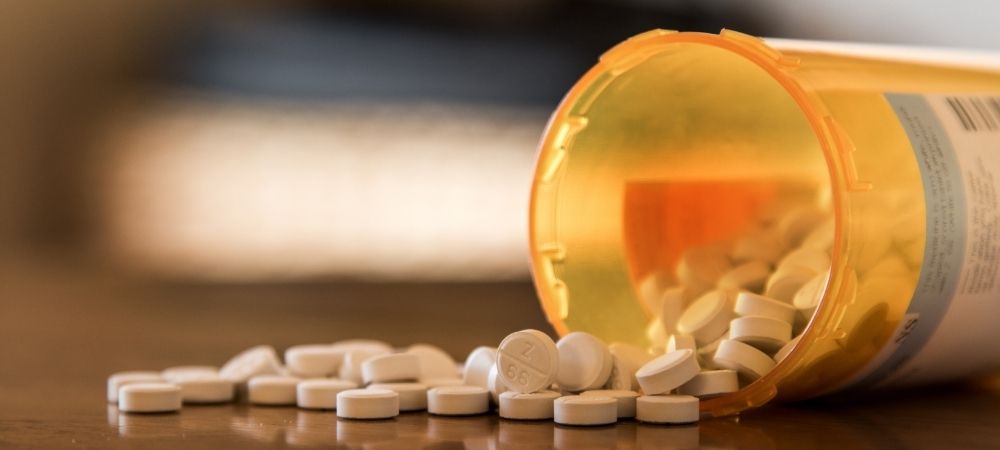
Can Laser Therapy Help the Current Opioid Dilemma?Contributed by Mark Callanen, PT, DPT, OCS In 2016, 11.5 million Americans misused opioid medications which contributed to the death of 17,087 prescription drug users.1 These staggering statistics have heightened the demand in the US healthcare market for therapies that address both acute and chronic pain conditions without the use of pharmaceutical therapies. Therapeutic laser, via the process of photobiomodulation (PBM), is a non-invasive modality that addresses pain in a number of ways. Clinically effective PBM takes place when a light source provides an adequate dose of photonic energy to injured tissue. Laser and LED devices are the two most common light sources used for this purpose. The general mechanism for PBM involves biochemical stimulation of the electron transport chain in eukaryotic cells, which triggers several positive biochemical changes in injured tissue. These changes to musculoskeletal tissue and nerve tissue can decrease pain2,3,4, reduce inflammation5,6,7, and accelerate tissue healing.8,9,10 A 2015 study from the Annals of Cardiac Anesthesia demonstrated the effectiveness of laser therapy at reduced post-surgical pain after open-heart surgery. The painful sternal incision associated with this surgery usually requires oral opioids and rescue analgesia (injectable opioids), administered via a patient-operated button to self-control discomfort after surgery.The study looked at 100 patients that had laser treatment administered 30-minutes after surgery to the sternal area. Statistically significant pain reduction was noted at 1 hour and 24 hours after treatment. Only 40 patients had pain of 5/10 or greater 24 hours after treatment, which necessitated a second laser treatment. Pain was recorded at 0/10 for all patients by the third day (hour 54). No patients required a 3rd dose of laser, and of note, no rescue opioid analgesia was required for the laser therapy group.11 This is significant because it demonstrates laser’s pain-relieving efficacy, and ability to reduce medication usage as part of the patient group’s multimodal (MMA) analgesia protocol. This is extremely important because even a few days of opioid use can lead to chronic dependence. A 2017 study that analyzed 1.3 million non-cancer patients showed that 6% of patients that used opioids for only 1 day were still taking the medicine one year later! The number doubled to 12% for patients that used opioids for 6 days, and for patients that were on a 12-day supply of opioids, 24% of those patients, almost one in four, were still taking the drugs one-year later.12Given that pain management is a multifaceted process, knowing what approaches are supported by evidence-based practice is key. In 2017 the American College of Physicians released its practice guidelines for Noninvasive Treatments for Acute, Subacute, and Chronic Low Back Pain.13 In it, there was a strong recommendation for patients with chronic low back pain to initially select nonpharmacologic treatment. Several activities were recommended including exercise, multidisciplinary rehabilitation, acupuncture, mindfulness-based stress reduction, and tai-chi to name a few. The only stand-alone modality that they supported for chronic back pain was low level laser therapy. The Journal of Sport Physical Therapy (JOSPT) followed suit in 2017 by endorsing laser therapy among other treatments for use in treating both chronic neck pain with mobility deficits as well as acute neck pain with radiating symptoms.14 These evidence-based guidelines for both neck and lower back conditions will hopefully encourage clinicians that are quick to dismiss modalities in their clinical practice to reexamine laser therapy. In doing so, they will find that there is growing support for it as part of a comprehensive plan of care when addressing pain and other musculoskeletal injuries. While drawing conclusions on the best way to address pain is still open for debate, a few things are starting to become clear. It is evident that the risks involved with opioids are causing them to fall out of favor for short and long-term pain relief. Additionally, the receptiveness by the medical community to prescribe non-pharmacological pain management treatment methods has never been higher. Knowing what active strategies, as well as how to incorporate modalities like laser therapy into a comprehensive, evidence-based plan of care, will be key factors in promoting change in the US pain market as the evidence on this topic continues to emerge. References 1. Hedegaard H, Warner M, Miniño AM. Drug overdose deaths in the United States, 1999–2016. NCHS Data Brief, no 294. Hyattsville, MD: National Center for Health Statistics. 2017/ CDC. Wide-ranging online data for epidemiologic research (WONDER). Atlanta, GA: CDC, National Center for Health Statistics; 2016. Available at http://wonder.cdc.gov 2. Chow et al. Inhibitory Effects of Laser Irradiation on Peripheral Mammalian Nerves and Relevance to Analgesic Effects: A Systematic Review. Photomedicine and Laser Surgery Volume X, Number X, 2011ª Mary Ann Liebert, Inc. Pp. 1–17. 3. Holanda, V.M. et al. (2017) The Mechanistic Basis for Photobiomodulation Therapy of Neuropathic Pain by Near Infrared Laser Light. Lasers Surg Med. 2017 Jul;49(5):516-524. 4. Jimbo, K. et al. (1998) Suppressive effects of low-power laser irradiation on bradykinin evoked action potentials in cultured murine dorsal root ganglion cells. Neurosci Lett. 240(2):93-96. 5. Mizutani, K. et al. (2004) A clinical study on serum prostaglandin E2 with low-level PBMT. Photomed Laser Surg. 22(6)537-539. 6. Lopes-Martins, R.A. et al. (2005) Spontaneious effects of low-level PBMT (650 nm) in acute inflammatory mouse pleurisy induced by carrageenan. Photomed Laser Surg. 23(4):377-381. 7. Prianti, A.C.G. et al. (2014) Low-level PBMT (LLLT) reduces the COX-2 mRNA expression in both subplantar and total brain tissues in the model of peripheral inflammation induced by administration of carrageenan. Lasers Med Sci. 29(4):1397-1403. 8. Karu, T 1991, ‘Low-Intensity Laser Light Action Upon Fibroblasts and Lymphocytes’, in Calderhead, RG & Ohshiro, T, Progress in Laser Therapy, J. Wiley and Sons, Chichester, New York, Brisbane, Toronto, Singapore, pp.175-180. 9. Benayahu, D, Maltz, L, Oron, U, Stein, A 2005, ‘Low-Level Laser Irradiation Promotes Proliferation and Differentiation of Human Osteoblasts in Vitro’, Photomedicine and Laser Surgery, vol. 23, no. 2, pp. 161-166. 10. Abrahamse, H, Mathope, T, Moore, T, Mvula, B 2008, ‘The effect of low level laser therapy on adult human adipose derived stem cells’, Lasers in Medical Science, vol. 23, no. 3, pp. 277–252. 11. Karlekar A, Bharati S, Saxena R, Mehta K. Assessment of feasibility and efficacy of Class IV laser therapy for postoperative pain relief in off-pump coronary artery bypass surgery patients: A pilot study. Ann Card Anaesth. 2015; 18: 317-22. 12. Shah A, Hayes CJ, Martin BC. Characteristics of Initial Prescription Episodes and Likelihood of Long-Term Opioid Use — United States, 2006–2015. MMWR Morb Mortal Wkly Rep 2017;66:265–269. 13. American College of Physicians. Noninvasive Treatments for Acute, Subacute, and Chronic Low Back Pain: A Clinical Practice Guideline. Ann Intern Med. 2017 Apr 4;166(7):514-530. 14. JOSPT. Neck Pain: Revision 2017 Clinical Practice Guidelines Linked to the International Classification of Functioning, Disability and Health From the Orthopaedic Section of the American Physical Therapy Association. J Orthop Sports Phys Ther. 2017;47(7): A1-A83. Read More Blog Posts