

Total Items
0
0 Item(s)

Blog post
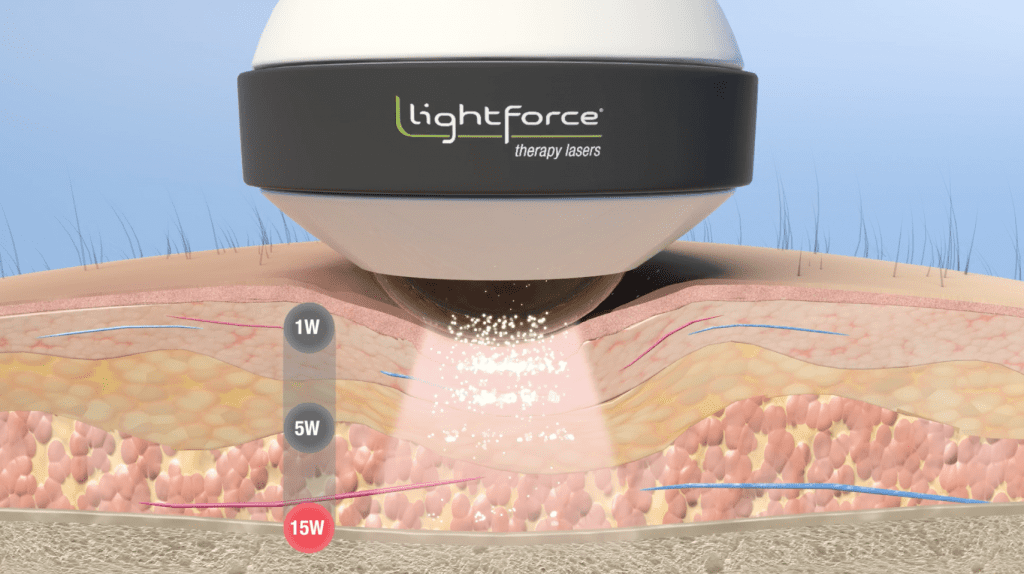
Laser Forum – Part 1: Understanding Terms That Describe Photobiomodulation (PBM)Contributed by Mark Callanen, PT, DPT, OCS There is often confusion in the medical field when clinicians research the topic of laser. At the center of the confusion is power and its relationship to lasers’ effect on tissue, which is referred to as photobiomodulation (PBM).1 To understand the role of power, there needs to be an understanding of its relationship to laser dosing, penetration, and how higher power lasers impact tissue(s). This two-part blog is intended to clarify some of the key terms related to the physics of laser therapy and expound on the clinical implications of treating with higher power density. But first, let’s look at a few key terms: Photons: When any form of light is introduced to tissue, small “packets” of light called photons are emitted from the light source. At any specific wavelength of light, every photon contains exactly the same amount of energy. Think of a photon as the building block of light. Energy: The total energy applied during treatment is the addition of all the individual photons that are emitted over a predefined period. The International System of Radiometric Units uses the joule (J) as the unit of energy to measure this property. Joules are the product of power and time. Power is measured in watts or milliwatts and plays a key role in the total energy that is applied to tissue. Total energy (joules) by definition is the product of power (watts) and time (seconds). (J = W x s). Therefore, increasing the power of a light source will deliver more joules of energy per unit time to a target. This plays a significant role in delivering photons to deeper tissues. A simple way to envision its importance is to think about how much light a 10 W bulb produces in a dark room vs a 100 W bulb. The more wattage the bulb emits, the more light will be present in the room. This analogy is similar to the wattage of a laser that is applied to the skin – the higher the wattage, the more “light” that is delivered into the tissue (at a given wavelength). Image Now that you have more clarity on power and energy, the last important characteristic to understand is the concept of density with regard to these two terms. Density brings into account the area that is treated, and will be noted in cm2. Power Density (W/cm2): This term describes the intensity of the light, or its “brilliance” and is referred to as irradiance in the literature. Irradiance impacts the number of photons that will be applied at depth for a given wavelength and is directly related to the heat that will be produced at the surface when a light source is applied. Energy Density (J/cm2): Commonly referred to as fluence, it is synonymous with dosage when defining PBM treatment parameters. It defines the total amount of energy that is applied per unit area and can be influenced by increasing the time of the treatment and/or the power that is being applied from the light source. (J= W x s). To summarize, these terms all play a role in understanding the basic physical properties of light and how it impacts PBM. With this knowledge in place, Part 2 will discuss the benefits of higher power laser therapy as it relates to 3 key treatment attributes. Stay tuned! References 1. Anders JJ, Lanzafame RJ, Arany PR. Low-level light/laser therapy versus photobiomodulation therapy. Photomed Laser Surg 2015;33:183–184

Blog post
Laser Therapy FAQ 5 – How Will I Get People Interested in This Therapy?Contributed by Mark Callanen, PT, DPT, OCS Healthcare is no different than most other businesses when it comes to customer satisfaction. If you want to retain and attract more patients, you need to focus on improving customer experience. Helping patients feel better quickly is a key component to customer satisfaction that leads to more successful practices with high patient retention and steady growth. It may seem obvious that better treatment outcomes would increase practice traffic, but by pin pointing the exact marketing mechanism responsible, that is, the power of word of mouth marketing, you can maximize your patient growth potential. The Net Promoter Score (NPS) is a tool designed to quantify this phenomena: “NPS is an index that measures the willingness of customers to recommend a company’s products or services to others. It gauges the customer’s overall satisfaction with a company’s product or service and the customer’s loyalty to the brand” (Wikipedia). So, if your goal is to increase customer loyalty by improving your staff’s ability to reduce pain complaints quickly, you should consider investing in a deep tissue therapy laser. While most clinics promote a variety of manual techniques and modalities to help with pain, few offer deep tissue laser therapy (which promotes lasting pain relief for both deep and superficial musculoskeletal complaints). LightForce Therapy Lasers can help a practice stand out to patient populations that are currently not having their pain needs met. How big is this market? Pain related diagnoses including low back pain, osteoarthritis, and general joint related disorders account for over 57% of primary physician care visits annually.2 Laser therapy (also known as photobiomodulation therapy) can help with many of these diagnoses. This is significant as many of these patients are looking for treatment options that don’t include meds or surgery. While it requires time to educate patients on the benefits of a newer technology like photobiomodulation, it is highly beneficial to both the patient and the provider to do so. A patient’s decision to consult a health professional is based on a complex mix of social and psychological factors.1 Fear and anxiety about their condition play a significant part in this equation. Reducing pain quickly with a modality that focuses on reducing musculoskeletal pain will help reduce patient anxiety that the problem is something more sinister. In this way, laser technology can serve as a powerful tool to get immediate patient buy-in to a plan of care and reduce their overall levels of fear. This should benefit their overall outcome on multiple levels. By changing a patient’s pain status with this kind of “wow factor” and giving them a clear understanding on how you plan to attack their painful musculoskeletal condition, the impact this message will have should be quantifiable via the facility’s NPS. More importantly, this type of therapeutic alliance will turn your patients into the facility’s best marketers as they will want to tell friends and family about their positive experience. References 1. Campbell SM and Roland MO. Why do people consult the doctor? Family Practice 1996; 13: 75-83. 2. Why Patients Visit Their Doctors: Assessing the Most Prevalent Conditions in a Defined American Population St. Sauver, Jennifer L. et al. Mayo Clinic Proceedings , Volume 88 , Issue 1 , 56 – 67 Read More Blog Posts
Blog post
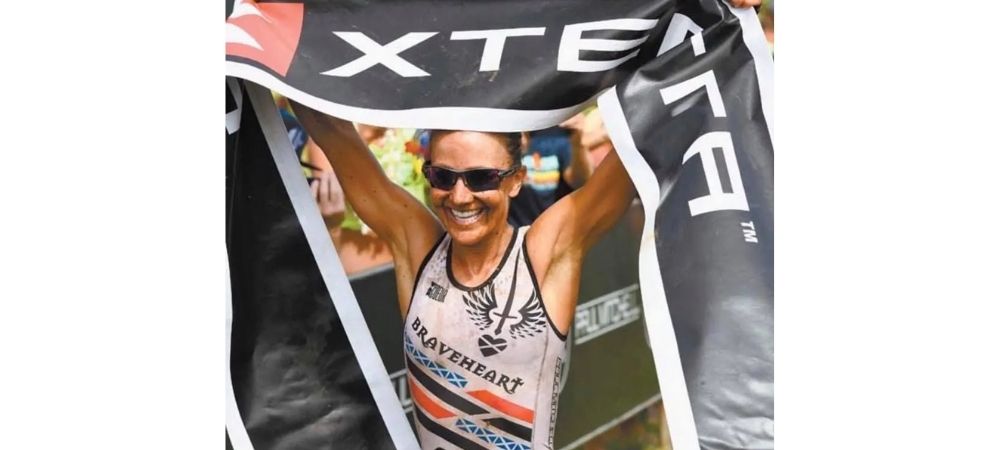
Recovering in Record Time: From Fracture to Finishing in 5 Weeks – Part 4Race Day – I Will Start, But Will I Finish? Contributed By Lesley Paterson Race day finally arrived, and I am happy to say that I made it! After being diagnosed with a very painful pelvic fracture just 5 weeks prior, I was honestly excited to be able to even start. Before the race began, I did a quick LightForce Laser treatment just to get the blood flowing to the area and reduce any last minute pain. I knew this would likely not be my best race, but I was still competing! So, even though not as fit as I wanted to be coming into the competition, I finished the race and was able to do so with minimal pain. Of course I had not run that much in over 5 weeks, so things were still a little stiff and sore, but it honestly was a miracle that I was able to compete in this championship race, let alone finish. The best part is that not only did I finish, I placed 5th! Not a bad finish considering all that I have been through with this injury. If it weren’t for my LightForce Laser, I don’t think I would have even competed at all in this year’s XTERRA Off-Road Triathlon World Championships. This technology is truly incredible! Read More Blog Posts
Blog post
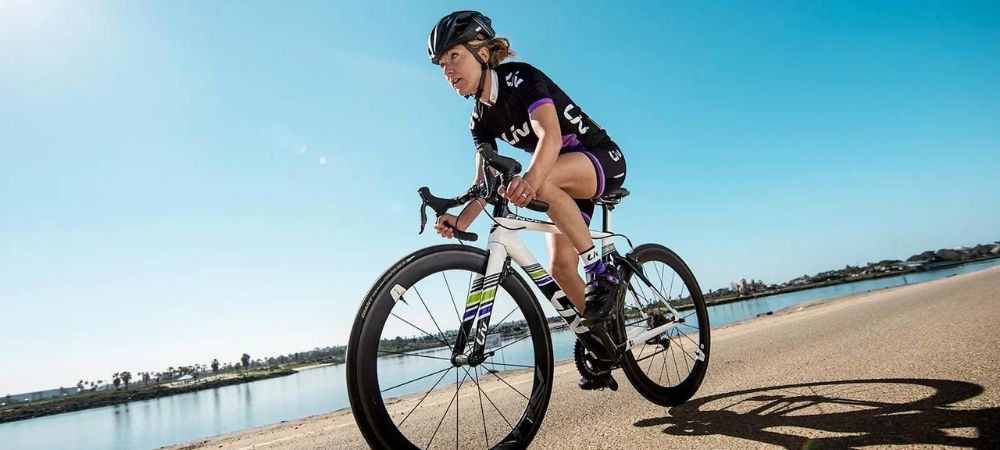
Recovering in Record Time: From Fracture to Finishing in 5 Weeks – Part 3Counting Down to Competition Contributed By Lesley Paterson With only 10 days left to taper and rest up for the World Championships, my pelvis was starting to feel much better with my daily treatments. I was able to walk without pain and eventually I was able to run for 2-3 minutes at a time without really hurting afterward. While I knew I would not be in the best shape for the race, my hopes were high that I would at least be able to get on the start line, and ideally also complete the race – an outcome that I wouldn’t have believed was possible when my injury first happened. So, keeping up with my regular laser treatments, I watched my stiffness decrease, range of motion increase, and was able to work my way up to doing more and more activities without pain. Read More Blog Posts

Blog post
Recovering in Record Time: From Fracture to Finishing in 5 Weeks – Part 2Looking for a Quick Recovery Contributed By Lesley Paterson After an MRI confirmed a pelvic stress fracture, I realized that I would have to treat this injury with everything at my disposal to make it to the start line of the 2017 XTERRA Off-Road Triathlon World Championships. Once I sustain an injury like this, so close to a major event, the primary goal is to get things healing as quickly as possible and to figure out what activities I can do that do not cause further pain. By doing daily physiotherapy and using my laser once in the morning and then immediately after activity, I know I’m helping to prevent further damage from happening, but I’m also reducing inflammation and helping hasten the healing process. Unfortunately (and fortunately) I had a family “training” vacation planned in Europe. While I could not continue with my daily physio treatments, my LightForce Laser was portable enough to carry on flights and travel with me all the way to Europe. For me, the mental relief that came from feeling proactive about my injury was worth its weight in gold. Read More Blog Posts

Blog post
Recovering in Record Time: From Fracture to Finishing in 5 Weeks – Part 1When the Dreaded Injury First Happens Contributed By Lesley Paterson It’s never a pleasant thing when you first feel something “go” while training. Knowing deep down that you have just sustained an injury is very traumatic, especially when you’re only 5 weeks from the XTERRA Off-Road Triathlon World Championships. Needless to say, I’d been there many times before and I knew what had to be done. Before doing anything else, I had to call up my physio (who luckily is one of my good friends) to get an assessment and form a plan of action. The first step in my plan of action was to get my LightForce® Laser on the area of damage. This technology helps to quickly reduce pain and inflammation, and speeds up the healing process, so I knew that the sooner I could start using it on my injury, the faster my recovery would be. After applying the laser over my hip for 11 minutes, it already felt much better. The next step was to figure out exactly what was going on so I wouldn’t make the injury any worse while getting geared up to compete. I knew it had to dig a little deeper and get some imaging done. Read More Blog Posts

Blog post
Laser Therapy FAQ 4 – If Lower Doses of Laser Light Can Help Tissue Heal, Then Why Would I Need More Power?Contributed by Mark Callanen, PT, DPT, OCS Unlike in the movie Spinal Tap, where having an amplifier that “goes to 11” doesn’t mean it’s actually going to be louder than any other amplifier, having a laser with higher power will enable you to do things a much lower power laser will not. Looking into a Class IV laser (one that has over 0.5 W of power) is a wise investment if you are planning on putting a laser in your clinic. The biggest challenge with low level laser therapy (LLLT), more correctly referred to as photobiomodulation therapy, is getting light energy in sufficient quantity to injured tissues. Skin does an excellent job scattering and reflecting most of the light that it is introduced to it. Additionally, melanin absorbs most of the remainder of light into the skin, leaving very little to get transmitted below skin level. When normal white light or sunshine hits the skin, very few photons get past this impressive gate keeper. Certain wavelengths of light energy penetrate the skin better than others. Unfortunately, additional barriers exist under the skin that want to grab or reflect more of the remaining light that gets past the skin.1 These include hemoglobin, oxyhemoglobin, fat, and water to name a few. Therefore, careful consideration has to be given when choosing therapeutic wavelengths to maximize a laser’s effectiveness on influencing the healing process of muscle, nerve, tendon, and other connective tissue. Wavelengths around the near infrared portion of the spectrum (800 to 1000 nm) are ideal for exciting chromophores in tissue under the skin and not getting absorbed by the obstacles previously listed.2 Even when using ideal wavelengths, there is a significant loss of light energy from the surface to only a few centimeters below the skin. Rabbit studies have confirmed that only 2-3% of surface light reached the peroneal nerve when applied on shaved skin.3 As if the natural barriers to light weren’t enough, most injuries involve dozens to hundreds of square centimeters of tissue damage. When larger areas need to be treated, even more power is needed at the surface to maintain the same therapeutic dose at depth over the entire treatment area.2 Therefore, even if you are using a laser that has the appropriate wavelengths to penetrate tissue ideally, but has a very low level of overall power, you will only be able to effectively treat very small areas. Additionally, treatments may take 30 minutes or longer to get it done!2 A review of how power and time relate to the overall joules applied to an area will help clarify this problem. Laser dosage is defined as joules/cm2. It is a function of (wattage x time)/ area. If a laser has low power (wattage) and/or you need to treat a large area, these two factors can only be overcome by significantly increasing treatment time to maintain the desired dosage. This is the plight of Class IIIb lasers and is a primary reason a lot of early laser research had underwhelming outcomes. Insufficient dosage to injured tissue will not affect significant change at the mitochondria, and the positive effects of photobiomodulation will not be realized. Image This concept helped influence the FDA in 2004 to accept the use of Class IV lasers for photobiomodulation. Class IV lasers start where Class IIIb leave off at 0.5W of power. This higher wattage allows for sufficient laser energy to be passed onto nerve, muscle, ligament, tendon, and/or capsular tissue in a reasonable amount of time. Normal treatment sessions range from 2-6 minutes, which is quite acceptable in a clinical setting. Higher powered lasers will also allow clinicians to have the versatility to treat injured tissue in multiple areas in a given session, which greatly improves the overall effectiveness of the laser when adding it to a plan of care. Class IV lasers are generally more expensive than Class IIIb technology, but there is no real comparison when it comes to clinical application. “You get what you pay for” is applicable here. Other factors to consider when comparing laser products include: where the device is manufactured, warranty parameters, application heads, and what type of customer service is available to help educate your staff on how to effectively use the laser after it is purchased. While cost is an important variable with any purchase, careful consideration should be given to these factors as well as how you intend to use the laser. Getting a device that best fits your patient population and your clinic’s budget will help create a win-win for your patients and your facility from whichever laser platform you decide to purchase. References 1. Hamblin MR, Demidova TN. Mechanisms of low level light therapy. Proc. of SPIE Photonics. 2006; 6140: 614001-01-12. doi: 10.1117/12.646294 2. Chris E. Stout, Matt Kruger and Jeffrey Rogers, (Eds)- © 2011 Bentham Science Publishers Ltd. Current Perspectives in Clinical Treatment & Management in Workers’ Compensation Cases, 2011, 15: 191-201. 3. Anders JJ, Bethesda, MD. In Vitro and In Vivo Optimization of Infrared Laser Treatment for Injured Peripheral Nerves. Lasers Surg Med. 2014 Jan;46(1):34-45. doi: 10.1002/lsm.22212. Epub 2013 Dec 11. Read More Blog Posts
Blog post
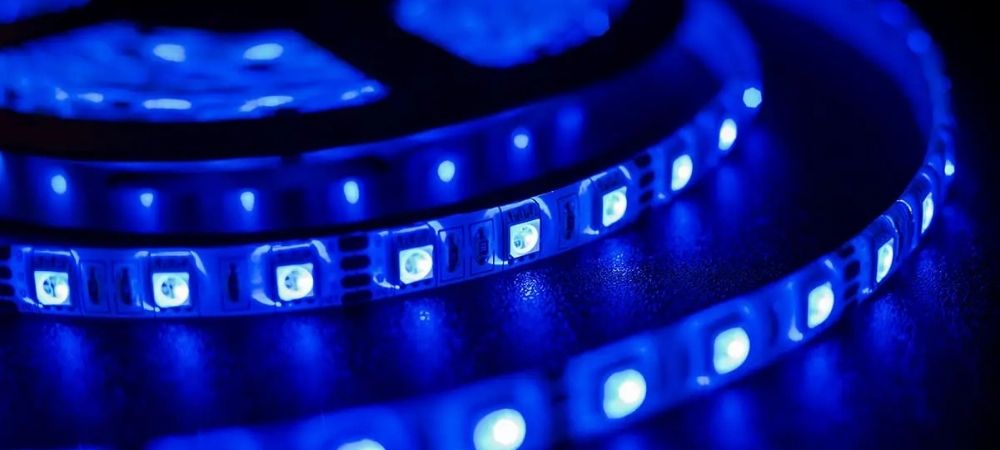
Understanding the Differences Between LED and Laser TherapyThere is currently a lot of discussion in rehab circles surrounding the efficacy and therapeutic potential of light-based modalities. From professional sports teams to private practices, these technologies are starting to be used on a daily basis to treat injured tissue. Light-based therapy used to treat pain and inflammation can be delivered by both lasers and LEDs, and consumers often want to know the operational and therapeutic differences between them. Let’s take a look at the similarities and differences between the two. Both laser and LED therapies rely on being able to deliver an adequate amount of energy to the target tissue in order to precipitate a photochemical process known as photobiomodulation (PBM). PBM “is a nonthermal process involving endogenous chromophores eliciting photophysical and photochemical events at various biological scales. Some processes that are impacted include, but are not limited to, the alleviation of pain or inflammation, immunomodulation, and promotion of wound healing and tissue regeneration.”1 Both sources of light share the same mechanism of action and are both commonly generated using diode technology. When used and studied in therapeutic applications, both lasers and LEDs are often built to emit similar wavelengths, either in the red or near-infrared spectrum, and have been shown to have pain and inflammatory reduction properties.2 Significant differences between the two do exist, however; including the power generated, the specificity of wavelength, and the physical characteristics of the beam generated from the diode. Laser light is unique, in that it is monochromatic, coherent, and collimated. These traits make it well-suited to many medical applications.3 The monochromatic, or single wavelength, beam is ideal for stimulating chromophores in biological tissue that only respond to very specific wavelengths. Coherent photons are organized where non-coherent photons are not. This property is important to minimize photon scatter as light interacts with tissue. Lastly, since injured tissue is normally deep in the body, laser’s columnated beam helps focus energy in a narrow, direct path which is ideal for treating tissues at depth. LEDs usually emit light in a small band of wavelengths (~20 nm wide) but cannot emit a single specified wavelength (~1 nm wide). This bandwidth impacts their ability to dial in the wavelength to optimally target desired tissues. Additionally, LEDs produce neither a collimated nor coherent beam, which is less ideal when treating deeper tissues. Lastly, LED’s operate at significantly lower power (wattage) than most lasers, which impacts their ability to reach deeper tissues in smaller windows of time. When trying to target deeper tissues, wavelength is a critical variable that can play a significant role in the light’s ability to penetrate tissue. But it is not the only determining factor in therapeutic effectiveness. Power is a second variable that also plays a large role in determining both proper use and consistency of outcomes for light-based therapies.4 Lasers are generally capable of producing much higher powers than LEDs, which significantly impacts their ability to reach deeper tissues. This is due to the concept of therapeutic depth, which involves getting an adequate amount of photonic energy to injured tissue to have a photobiomodulation effect. Since a significant amount of light is lost as it passes through tissue, having more initial power at the surface improves the modality’s ability to provide adequate amounts of energy at depth. For superficial uses, such wound healing5, therapeutic effects can be achieved with a minimal amount of energy applied to the surface, for which LEDs are well suited. For deeper or more wide-spread conditions, such as fibromyalgia6 or chronic low back pain7, a greater amount of energy must be delivered for a sufficient therapeutic effect to be achieved. Knowing what types of injuries will be treated with your light-based modality will impact which device will be most beneficial to the practice. LEDs often get a lot of initial attention because they are much cheaper than laser technology. Lasers used to treat deep tissue (that offer a wider range of power), however, give providers the most flexibility in terms of treatment capabilities as they can be used to treat both superficial and deep conditions. Weighing the considerations listed above should help you make the right decision when it comes time to purchase one of these devices. 1. https://www.litecure.com/about-photobiomodulation/ 2. Kim, W.-S., & Calderhead, R. G. (2011). Is light-emitting diode phototherapy (LED-LLLT) really effective? Laser Therapy, 20(3), 205–215. http://doi.org/10.5978/islsm.20.205 3. Azadgoli B, Baker RY. Laser applications in surgery. Annals of Translational Medicine. 2016;4(23):452. doi:10.21037/atm.2016.11.51. 4. Knappe, V & Frank, Frank & Rohde, Ewa. Principles of Lasers and Biophotonic Effects. Photomedicine and Laser Surgery. 2004;22: 411-7. 10.1089/pho.2004.22.411. 5. Harry T. Whelan, et al. “Effect of NASA Light-Emitting Diode Irradiation on Wound Healing .” Journal of Clinical Laser Medicine & Surgery. July 2004, 19(6): 305-314. https://doi.org/10.1089/104454701753342758 6. Panton, Lynn, et al. “Effects of Class IV Laser Therapy on Fibromyalgia Impact and Function in Women with Fibromyalgia.” The Journal of Alternative and Complementary Medicine. May 2013, 19(5): 445-452. https://doi.org/10.1089/acm.2011.0398 7. Vallone, Francesco, et al. “Effect of Diode Laser in the Treatment of Patients with Nonspecific Chronic Low Back Pain: A Randomized Controlled Trial.” Photomedicine and Laser Surgery. August 2014, 32(9): 490-494.
Blog post
Laser Therapy FAQ 3 – How is Photobiomodulation Therapy Different from Therapeutic Ultrasound?Contributed by Mark Callanen, PT, DPT, OCS Photobiomodulation therapy (also known as laser therapy) is a nonthermal, photochemical process that results in beneficial therapeutic outcomes, including the alleviation of pain and inflammation, immunomodulation, and promotion of wound healing and tissue regeneration. It also promotes muscle relaxation and increased local circulation. While this sounds similar to the effects of ultrasound, the two modalities are actually quite different. Therapeutic ultrasound works by a piezoelectric effect. A vibrating crystal in the head creates cavitation in tissue via sound waves. This cavitation produced in therapeutic ultrasound machines causes friction among water molecules and in turn creates heat in the tissue. This warming effect promotes local vasodilation. When deep tissue lasers are used, there is often minor heating at the epidermis, as melanin and hair will absorb light energy. While the minor heating can help relax muscles and decrease pain, the heat sensed at the skin is not what creates the improvements in microcirculation and local vasodilation – these effects result from a process called photobiomodulation (PBM).1,2 Local perfusion increases after specific wavelengths of light reach the inner mitochondrial membrane of injured cells and excite the chromophore Cytochrome C. When energized adequately, activated Cytochrome C oxidase frees up bound nitrous oxide (NO), which improves vasodilation in the local area and promotes healing.3 In addition to freeing up NO, there are a host of other beneficial cellular interactions that take place during photobiomodulation that positively influence the inflammatory cascade and improve tissue healing by impacting the mitochondria directly.3 The chart below shows several differences between the laser and ultrasound modalities. Given that laser’s mechanism of action impacts the metabolism of the mitochondria and ultrasound does not, the influence the two modalities has on tissue(s) is quite different. Image An added benefit of PBM therapy is that it can be used over metal implants, while ultrasound cannot. Since light is simply reflected off metal, use over total joints is not a contraindication. Given laser’s ability to have positive effects on inflammation and pain, it is the ideal modality to use on post-operative total joint patients with pain and swelling. As research continues to build and better outcomes are achieved consistently, health professionals are increasingly viewing PBM therapy as a clinical asset worth investing in. Unlike ultrasound, laser’s ability to quickly impact pain, inflammation, and tissue repair make it a very versatile modality – one that clinicians find themselves reaching for again and again. So if you are looking at bringing a modality into into your practice, take a look at deep tissue therapy lasers – the only thing you will regret is not getting one sooner. References 1. Mrowiec J 1997, ‘Analgesic effect of low-power infrared laser radiation in rats’, Proc SPIE, vol. 3198,no. 83, pp. 83-89. 2. Asagai, Y. 2000, “Thermagraphic study of low level laser for acute phase injury”, Las Ther, vol 12. pp 31-33. 3. Chris E. Stout, Matt Kruger and Jeffrey Rogers, (Eds)- © 2011 Bentham Science Publishers Ltd. Current Perspectives in Clinical Treatment & Management in Workers’ Compensation Cases, 2011, 15: 191-2. Read More Blog Posts

Blog post
A New Take on Treating Headaches: Can Photobiomodulation Therapy Help?Contributed by Mark Callanen, PT, DPT, OCS Treating headaches (HA) can be challenging, and they make up a sizable portion of many practices. Head pain is the 5th leading cause of visits to emergency departments in the U.S. and accounted for 1.2% of all outpatient visits.1 With approximately 300 classifications of different types of HA2, learning how to differentiate and treat this problem challenges even the most experienced clinicians. Cervicogenic headache (CGHA) is one of the most common and treatable types of HA, accounting for 14-18% of all HA.3 Characteristics of CGHA include unilateral headache that doesn’t change side; pain that is exacerbated with neck movements or abnormal postures; pain produced with pressure applied over the supero-posterior ipsilateral neck; ipsilateral neck, shoulder, or arm pain; and restricted cervical spine range of motion (ROM).4 When inflammation and/or pain is being generated from one or more of the upper 3 cervical segments, it can cause this type of HA.5 CGHA has a very distinct unilateral pattern, often traveling from the occipital area towards the ipsilateral side of the forehead and face due to the involvement of the trigeminal nuclei. Unlike most headaches, it can be reproduced via physical exam. Once CGHA has been confirmed it is then a matter of deciding what treatment to use on the offending segment(s). But what treatment is best? Any manual treatment that helps improve the segmental mobility of the involved segment(s) will usually help the condition. This can include soft tissue work, mobilization, and/or manipulation. Following up with ROM exercises, postural correction, and using modalities to minimize local pain complaints is standard practice for most clinicians. For an even better outcome, you may want to consider adding a tool known as “photobiomodulation therapy” to this manual approach. Also commonly known as “laser therapy”, PBM therapy has been shown to significantly help with chronic and acute cervical pain.6 Image The laser helps the body reduce pain and inflammation via a process known as photobiomodulation.7-10 If applied to the upper cervical area, it has the potential to help patients dealing with CGHA by impacting inflammation, improving cervical muscle endurance, and reducing pain as it relates to peripheral nociception. PBM has been shown in both in-vitro and in-vivo studies to reduce inflammation by impacting levels of prostaglandin E2, interleukin 1β, and tumor necrosis factor α.11 Animal studies have also confirmed that the anti-inflammatory effects of PBM therapy are similar to pharmacological agents such as celecoxib (Celebrex), meloxicam, diclofenac, and dexamethasone.12,13 Additionally, PBM therapy stands out as an ideal modality choice when treating zygapophyseal joint inflammation due to its ability to deeply penetrate tissue.14,15 Since photobiomodulation promotes increased ATP production in the mitochondria of muscle cells, endurance is significantly improved by laser therapy due to decreases in oxidative stress on muscle tissue.16,17 Additionally, the added ATP production enhances the contractile function of skeletal muscle by attenuating strength loss.18,19 These positive changes in muscle output should help improve reconditioning postural muscles in the neck and upper back as length tension characteristics are being adjusted with corrective exercises and postural cueing. Finally, the mechanism for delivering pain from the periphery can be impacted with PBM therapy as it inhibits transmission at the neuromuscular junction which has been shown to reduce myofascial pain and trigger points.20,21 Soft tissue dysfunction is commonly associated with pain in the upper cervical spine and HA. Additionally, Aδ and C afferent fibers, which convey peripheral nociception, can have their transmission rates reduced by laser, leading to a reduction in pain perception.6 Slowing peripheral nociception could reduce one of the key drivers of CGHA. The impact of correctly diagnosing CGHA and isolating the irritable segment(s) in the neck is a critical step in helping these individuals. Having the knowledge and skill to help them is not common place in all out-patient clinics. A growing number of clinics are utilizing PBM therapy with their patients and might find the use of the laser a game changer regarding their approach to CGHA, despite not having the highly developed manual skills to isolate and treat the offending segment. It is easy to see how PBM therapy could help current protocols by reducing local inflammation, improving muscle function of the surrounding muscles, and reducing the nociceptive abilities of the nerves involved with CGHA. Even if you are a clinician with the skill to provide the perfect manual treatment to the upper cervical spine, any one of the characteristics listed above could further improve a CGHA outcome. Imagine if you could add all three… Patients dealing with both acute and chronic neck pain have already been shown to benefit from PBM6, so why shouldn’t people dealing with CGHA? If your practice treats patients with neck related disorders, you might want to consider a therapeutic laser as the next modality you add to your clinic, regardless of the manual tools that are at your disposal. References 1. Smitherman TA, Burch R, Sheikh H, Loder E. The prevalence, impact, and treatment of migraine and severe headaches in the United States: a review of statistics from national surveillance studies. Headache. 2013 Mar;53(3):427-36. 2. Heachache Classification Subcommittee of the Internoational Headache Society. The international classification of headache disorders, 2nd Edition. Cephalagia 2004; 24: suppl 1. 3. G. Zito, G. Jull , I. Story. Clinical tests of musculoskeletal dysfunction in the diagnosis of cervicogenic headache. Manual Therapy 11 (2006) 118–129. 4. Sjaastad O, Fredriksen TA, Pfaffenrath V. Cervicogenic headache: diagnostic criteria. the cervicogenic headache international study group. Headache. 1998;38:442–5. 5. Lord S, Bogduk N. The cervical synovial joints as sources of posttraumatic headache. Journal of Musculoskeletal Pain 1996;4:81–94. 6. Chow, RT. Efficacy of low-level laser therapy in the management of neck pain: a systematic review and meta-analysis of randomized placebo or active-treatment controlled trials. Lancet 2009; 374: 1897–908. 7. Sattayut S, Hughes F, Bradley P. 820nm gallium aluminium arsenide laser modulation of prostaglandin E2 production in interleukin I stimulated myoblasts. Laser Therapy 1999; 11: 88–95. 8. Sakurai Y, Yamaguchi M, Abiko Y. Inhibitory eff ect of low-level laser irradiation on LPS-stimulated Prostaglandin E2 production and cyclooxygenase-2 in human gingival fibroblasts. Eur J Oral Sci 2000; 1081: 29–34. 9. Aimbire F, Albertini R, Pacheco MTT, et al. Low-level laser therapy induces dose-dependent reduction of TNFα levels in acute inflammation. Photomed Laser Surg 2006; 24: 33–37. 10. Bjordal JM, Johnson MI, Iverson V, Aimbire F, Lopes-Martins RAB. Photoradiation in acute pain: a systematic review of possible mechanisms of action and clinical effects in randomized placebocontrolled trials. Photomed Laser Surg 2006; 24: 158–68. 11. Bjordal JM, Lopes-Martins RAB, Iversen VV. A randomised, placebo controlled trial of low level laser therapy for activated achilles tendinitis with microdialysis measurement of peritendinous prostaglandin E2 concentrations. Br J Sports Med 2006; 40: 76–80. 12. Campana V, Moya M, Gavotto A, et al. The relative effects of He-Ne laser and meloxicam on experimentally induced inflammation. Laser Therapy 1999; 11: 36–42. 13. Albertini R, Aimbire F, Correa FI, et al. Eff ects of diff erent protocol doses of low power gallium–aluminum–arsenate (Ga–Al–As) laser radiation (650 nm) on carrageenan induced rat paw oedema. J Photochem Photobiol B 2004; 27: 101–07. 14. Enwemeka C. Attenuation and penetration of visible 632・8nm and invisible infrared 904nm light in soft tissues. Laser Therapy 2001; 13: 95–101. 15. Gursoy B, Bradley P. Penetration studies of low intensity laser therapy (LILT) wavelengths. Laser Therapy 1996; 8: 18. 16. Leal Junior EC, Lopes-Martins RA, Vanin AA, et al. Effect of 830 nm low-level laser therapy in exercise-induced skeletal muscle fatigue in humans. Lasers Med Sci 2009; 24: 425–31. 17. Leal Junior EC, Lopes-Martins RA, Dalan F, et al. Effect of 655-nm Low-Level Laser Therapy on Exercise-Induced Skeletal Muscle Fatigue in Humans. Photomed Laser Surg 2008; 26: 419–24. 18. Kelly A. Larkin-Kaiser, KA. Near-Infrared Light Therapy to Attenuate Strength Loss After Strenuous Resistance Exercise. Journal of Athletic Training 2015;50(1):45–50. 19. Nampo, FK. Low-level phototherapy to improve exercise capacity and muscle performance: a systematic review and meta-analysis. Lasers Med Sci (2016) 31:1957–1970. 20. Nicolau R, Martinez M, Rigau J, Tomas J. Neurotransmitter release changes induced by low power 830nm diode laser irradiation on the neuromuscular junction. Lasers Surg Med 2004; 35: 236–41. 21. Nicolau RA, Martinez MS, Rigau J, Tomas J. Effect of low power 655nm diode laser irradiation on the neuromuscular junctions of the mouse diaphragm. Lasers Surg Med 2004; 34: 277–84. Read More Blog Posts