

Total Items
0
0 Item(s)


Blog post
Laser Therapy FAQ 2 – How Should You Introduce the Topic of Laser Therapy to Patients?Contributed by Mark Callanen, PT, DPT, OCS Most health care providers do not like addressing the topic of money with patients, especially when it is related to the services they are providing. That being said, the topic of value with regard to a patient’s healthcare dollar is becoming more and more relevant as deductibles and co-pays rise each year. Laser therapy is normally presented to patients as an overall cost saver when looking at total healthcare dollars spent, despite the fact that it is often not covered by insurance. For those practitioners utilizing Tendon Dry Needling (TDN), the discussion on how laser therapy can benefit a patient should be very similar. Like TDN, laser therapy is a procedure that helps patients heal quicker and can make dramatic impacts on a patient’s pain in a very small amount of time. Laser therapy works through a process called photobiomodulation, which works to restore normal cellular function in damaged cells.1 Repeated sessions in a smaller timeframe will help stimulate cells regularly and allow for the repeated influence of afferent nerves to control pain generated from peripheral nocioceptors.2 Infrequent application of the laser will not allow for an ideal “push” of the system. Accordingly, appropriate plans of care normally require multiple treatments within a set time period to maximize benefit. Common deep tissue laser therapy protocols call for 6-8 treatments over the course of 3 weeks for most problems. This can vary depending on multiple factors such as the size and scope of the injury, chronicity of the problem, and the tissue type(s) involved, to name a few. Subjective and objective patient feedback will help determine the best prescription. If the patient is not interested in the additional cost of laser therapy, it’s not a problem. For those patients that resist being treated by the laser initially, don’t be surprised if they come back to their next visit wanting to try it out. Sometimes patients need time to think it over and do their own research before they try something that is perceived as “new”. Having some brief literature on photobiomodulation to hand out, as well as dedicated page with testimonial and educational videos, can go a long way. After your initial consult with the patient, hopefully you can agree upon the specific plan of care that best meets their needs and proceed accordingly. As the healthcare provider, you are only making your recommendation as to what you feel will get the patient better as quickly as possible. It is ultimately the patient’s decision on how they would like to proceed. References 1. Chris E. Stout, Matt Kruger and Jeffrey Rogers, (Eds)- © 2011 Bentham Science Publishers Ltd. Current Perspectives in Clinical Treatment & Management in Workers’ Compensation Cases, 2011, 15: 191-2. 2. Kawatani, M, Matsumoto, I, Sato, T, Takeshige, C, Tsuchiya K 1993, ‘Diode laser irradiation selectively diminishes slow component of axonal volleys to dorsal roots from the saphenous nerve’, Neuroscience Letters, vol. 161, no. 1, pp. 65-68. Read More Blog Posts

Blog post
Treating Our Industrial Athletes – The Role of Laser Therapy in Injury Prevention, Management, and Workers Compensation Cost SavingsThe State of Workers CompensationWorkers compensation is a major expense for manufacturing companies and in environments where physical labor is prevalent. The skilled workers performing these tasks are often referred to as “Industrial Athletes”. They experience many injuries similar to those in professional athletics due to the demanding physical environment and repetitive nature of physical movements.In 2013, benefit payments through worker’s compensation programs soared to an impressive $63.3 billion dollars.1 OSHA estimates that employment-related musculoskeletal disorders in the United States made up over 600,000 of the on-the-job incurred injuries and illnesses, accounting for 34% of all lost workdays based on a report from the Bureau of Labor Statistics.2As a result of the prevalence of work-related injuries, and high direct and indirect costs associated with these cases, many companies are looking for new ways to prevent injuries, and expedite recovery when injuries do occur. Bringing it In-House, Realizing Cost SavingsAccording to the Insurance Journal, the top five workers compensation injuries as a percentage of total claims are: Strains and sprains (30%) Cuts or punctures (19%) Contusions (12%) Inflammation (5%) Fractures (5%)3 Strains, sprains, and inflammation (accounting for 35% of the top 5 claims) can often be successfully treated with early intervention through both conventional rehabilitation methods and newer techniques such as deep tissue laser therapy. If these common musculoskeletal issues are treated early, they can majorly reduce the number of workers compensation claims and missed days of work, ultimately impacting the bottom line. Image Many companies are investing in in-house physical therapy clinics to intervene at the first sign of pain. One such clinic is Zellstoff Celgar Ltd. (ZCL), located in British Columbia, Canada. ZCL is one of the largest kraft pulp mills in North America and has leveraged an in-house physical therapy program since 2005 to keep their industrial athletes healthy and on the job. ZCL’s in-house physiotherapy program focuses on injury prevention and has found the addition of their deep tissue therapy laser a valuable tool in quickly resolving pain, inflammation, and acute sprains & strains. ZCL’s data shows that prior to implementing their laser therapy program they experienced an average of 35.17 musculoskeletal injuries (MSI) per year. After the addition of the therapy laser, their average MSI per year decreased to 12 MSI – a 65% decrease that resulted in nearly $500,000 of claim savings.4 Laser Therapy for Post-Injury RecoveryInjury prevention is the goal, however, when injuries do occur, laser therapy can help shorten recovery times and return workers to their normal job functions faster. Tendinopathy is one condition commonly found in industrial settings. Low Level Laser Treatment of Tendinopathy: A Systematic Review with Meta-analysis reviewed the effectiveness of laser therapy for tendinopathy. These studies identified evidence to support that laser therapy can be effective in treating tendinopathy when an optimal dosage is applied.5 Back, neck and shoulder pain are another common complaint among industrial workers in a wide range of job functions, from those operating machinery, to those lifting heavy loads and performing repetitive overhead movements. In a randomized controlled study performed by the University of Colorado Denver, 55 patients with low back pain were randomized to receive either manual adjustment or adjustment followed by laser therapy. After 4 weeks, the laser therapy group had a 71% reduction in pain score (VAS) and showed significantly better improvement than the group who received manipulation alone.6 In order to achieve these kind of positive clinical results, it is essential that a proper diagnosis be made and adequate energy be delivered to target tissue. In the textbook Current Perspectives in Clinical Treatment & Management in Workers’ Compensation Cases, the chapter “Advances in Laser Therapy for the Treatment of Work Related Injuries“ discusses the history of therapeutic lasers and the technological advancements of newer technology that enable consistent positive outcomes for common work related injuries.7 It is well documented that adequate dosing is the most important factor in achieving clinical outcomes on all injuries, but especially when conditions involving deep tissue structures (such as back pain) are involved. Get Your Industrial Athletes Back in ActionAdding laser therapy as an adjunct to your current physio and rehabilitation programs can prevent injuries, shorten recovery times when injuries do occur, and positively impact your bottom line. Deep tissue laser therapy can be an effective modality for any conditions where pain and inflammation are present, with no side effects, and no drugs.For more information about the impact deep tissue laser therapy can have on the common conditions present in your clinic please contact info@lightforcemedical.com. References: 1. Sengupta, I. (2013). Annual Statistical Supplement, 2015. Retrieved from https://www.ssa.gov/policy/docs/statcomps/supplement/2015/workerscomp.html 2. Finkle. A (2014). 2014. Prevention of Work-Related Musculoskeletal Disorders. Retrieved from https://www.osha.gov/pls/oshaweb/owadisp.show_document?p_table=UNIFIED_AGENDA&p_id=4481 3. (2016. May, 18). Top 5 Workers Compensation Claims and Their Causes. Retrieved from http://www.insurancejournal.com/news/national/2016/05/18/409006.htm 4. Advance for Directors in Rehabilitation. October 2016. www.advanceweb.com/rehab 5. Photomedicine and Laser Surgery. 2010; 28(1): 3-16. doi: 10.1089=pho.2008.2470 6. ACBSP Poster abstract. Los Angeles, CA; June 2010. 7. Current Perpectives in Clinical Treatment and Management in Workers’ Compensation Cases. 2011: 191-201.
Blog post
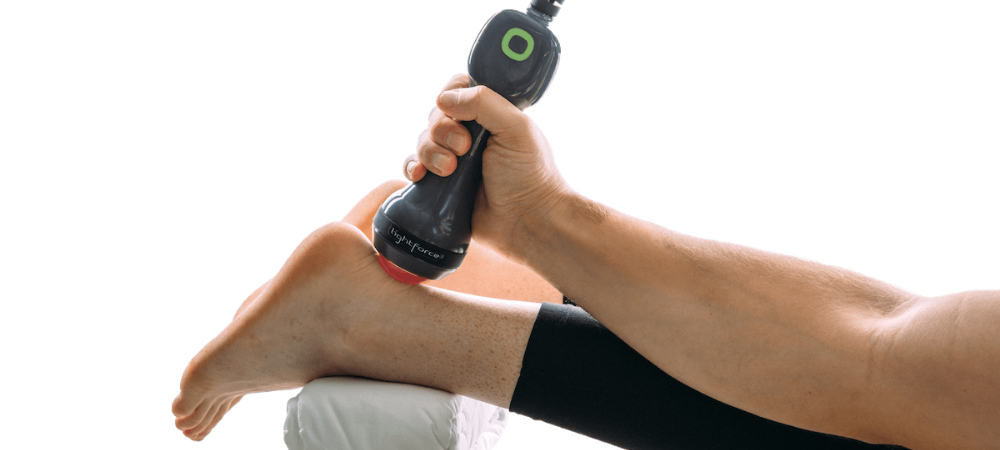
Drug-Free Alternatives to Reducing Arthritis PainContributed by Mark Callanen, PT, DPT, OCS and Perry Nickelston DC, NKT, FMS, SFMAOsteoarthritis (OA) is a debilitating joint condition that effects more than 27 million individuals in the United States.1 According to the Centers for Disease Control and Prevention (CDC), 80% of patients with OA have some limitation of mobility, while 25% are unable to perform the activities of daily living (ADLs).2 Osteoarthritis is thought of as “wear and tear” arthritis and is caused by prolonged, abnormal stress on joints that leads to the breakdown of cartilage on joint surfaces. This is often associated with increased pain while performing daily activities. When OA pain flares, people often become desperate for relief when they find themselves unable to tolerate the physical demands of a normal day. Many arthritis sufferers often see medication as the only option to alleviate their symptoms. This is part of the reason excessive opioid use has become a national health epidemic. While medication plays a part in most treatment plans, there are other activities and treatments that arthritis sufferers should consider when trying to manage the pain associated with OA. Closed Chain ExercisesLoosely defined, closed chain exercises are activities that are performed with the feet on the ground. Examples would be squatting or sit to stand activities. Some people suffering from OA in their lower extremities are afraid of weight bearing because of the pain they are experiencing. However, when done properly, this is exactly what is needed. Small amounts of weight bearing exercise performed over 3 months might not change the volume of cartilage in the knee, but it can significantly reduce pain and improve functional levels.3 This is because even when a joint is considered “arthritic”, exercises like squatting and wall slides can help strengthen the muscles around the joints of the hip, knee, and ankle. This can help improve the biomechanics of how a person is moving and reduce their pain. Other studies have shown that people committed to exercising for 4 months or longer, focusing on exercises that cyclically load the legs three times a week, can increase the production of cartilage in the knee.4 Setting yourself up with a program that stresses the legs, but isn’t too aggressive, stimulates the cartilage to produce chemical changes that retain more water and thicken.4 This can make the difference between function and failure. Working with a trained professional to get a safe, pain free exercise regimen is imperative to incorporating the correct exercises into your program. StretchingAnother important fitness component to helping with arthritic pain is making sure that normal muscle length is maintained throughout the body. Lack of stretching can lead muscles and tendons to become morphologically shortened, which increase the probability they will contribute to pain around the joint. The last thing an arthritic joint needs is to be surrounded by soft tissue that is inflamed and irritable. Staying proactive with a regular stretching regimen should help minimize the chances of this happening. Stretching can directly promote joint health when it restores normal range of motion. People with OA often have reduced knee ROM which can be due to numerous factors.5 When joints move, the various surfaces of the joint contact each other which is needed for cartilage to remain healthy. When joints get stiff or if muscles are tight, often the resultant loss of motion does not allow all of a joint’s surfaces to be stimulated. This can lead to cartilage break down. The best defense against this is to keep joints moving through their full ranges. Aquatic TherapyFor those individuals that have more severe OA, they might not be able to bend or squat effectively against gravity due to pain. A pool allows exercise to be conducted in a partial weight bearing environment, which can be a great bridge to help increase strength and endurance. The buoyancy of the water decreases the forces that are transferred to the legs when contacting the bottom of the pool and the hydrostatic pressure of the water helps reduce pain in arthritic joints.Generally, when standing in waist deep water, body weight is reduced by 50%. When standing in water at chest height, relative body weight drops to 25%. Participants want to gradually migrate to shallower water as their program progresses to increase the percentage of weight bearing with activity. The eventual goal is to try to transfer the program to land-based as tolerated. Seeking out an experienced aquatic therapist to help build and progress a water based program is a great place to start. Deep Tissue Laser TherapyIn addition to actively addressing fitness levels, deep tissue laser therapy offers an effective passive treatment option that can help reduce arthritic pain. The pain and inflammation that occur in the majority of the body’s joints is created by inflammation of the tissue lining the joint capsule. Therapeutic laser can impact this tissue by improving the microcirculation in the tissue and impacting several anti-inflammatory mediators in the joint. Pain is normally reduced when these changes take place. In addition to the metabolic effects laser has on inflamed tissue, it also provides a soothing warmth during treatment which also helps the body relax. Individuals will often feel a significant improvement from the first session. While each case is unique, typical treatment protocols call for 6-10 sessions for optimal results, and treatments are often short (about 5-10 minutes in length). Image Here’s an example of how these approaches can be combined to minimize pain in an arthritic knee: Laser therapy: apply deep tissue laser therapy to the knee joint, calf, lower thigh and lumbar spinal nerves 3-5 at 10 watts of power for 7 minutes (4500 joules total). Better outcomes have been recorded when recipients actively move the joint being treated during 40-50% of the treatment duration in that area. Motion ensures that light reaches all aspects of the treatment area and encourages better range of motion in the affected joint. Stretching: spend 5 minutes stretching the knee by fully bending and straightening it while standing next to a stable object. Hold stretches for 15 seconds, rest, and repeat for approximately 2 minutes per muscle to be stretched. Additional stretches at the ankle to promote dorsiflexion and hips to promote motion in multiple planes is recommended. Specific stretching techniques should be provided by a trained professional. Closed chain exercises: spend 10-15 minutes working on sit to stands, squats, wall slides, and some type of step up exercise to help build strength in the lower extremities. They should not be painful. Again, specific exercise techniques should be provided by a trained professional to match the program to an individual’s specific functional ability. For those individuals that cannot perform a land based program, substitute an aquatic program to work on strength and endurance for 20-30 minutes. You can take back control of your life from the pain and discomfort of arthritis. Empower yourself to feel good again with movement, stretching, and laser therapy. While the idea of stretching and strengthening isn’t ground breaking, combined with the unique capabilities of deep tissue laser therapy, it might just be your ticket to lasting relief. References 1. Leahy M. Changing the paradigm for diagnosing and treating arthritis. American Academy of Orthopaedic Surgeons. http://www.aaos.org/news/ aaosnow/nov12/clinical6.asp. November 2012. 2. Centers for Disease Control and Prevention. Arthritis basics. Physical activity for arthritis. http://www.cdc.gov/arthritis/basics/physical-activityoverview.html. September 1, 2011. Updated January 7, 2016. 3. The effects of closed kinetic chain exercise on articular cartilage morphology: myth or reality? a randomized controlled clinical trial. Dinçer U et al. Turk J Phys Med Rehab 2016;l(62):28-36 DOI: 10.5606/tftrd.2016.93899 4. Roos EM, Dahlberg L. Positive effects of moderate exercise on glycosaminoglycan content in knee cartilage: a fourmonth, randomized, controlled trial in patients at risk of osteoarthritis. Arthritis Rheum 2005;52:3507-14. 5. Dieppe, P. Osteoarthritis: time to shift the paradigm. British Medical Journal, 1999; 318, 1299-1300 Read More Blog Posts
Blog post
How Laser Therapy Can Benefit the Manual TherapistContributed by Mark Callanen, PT, DPT, OCS Unfortunately, the manual therapy world often draws lines in the sand when it comes to treatment approaches. Clinicians tend to define themselves with a particular manual therapy approach and generally don’t give much thought to how a modality might shape their practice. However, best practice usually involves combining various philosophies and evidence based technologies to maximize patient outcomes. The use of modalities in the orthopedic and sports medicine arenas have historically waxed and waned. It is not uncommon that after a device or technique is introduced to the market, research follows that suggests it has limited efficacy and its popularity in the field fades quickly. Laser technology was not immune to this cycle. Early research regarding laser therapy with lower powered lasers was underwhelming. However, recent advances in equipment and better understanding of photobiomodulation (PBM) has shown that laser therapy is effective in reducing pain1,2,14,15,16,17 and inflammation.1,2,10,11,12,13 It is part of the reason that in February 2017 The American College of Physicians endorsed laser therapy for treatment of chronic low back pain.3 In 2004 laser therapy took a quantum leap forward when the FDA approved the use of Class IV lasers for treating musculoskeletal injuries. Prior to that, most research was based on lower power, Class IIIb lasers which were at worst shown to be ineffective, or at best to have significant clinical limitations. Compared to Class IV lasers, they require longer treatment times and are only effective over smaller areas.4 PBM occurs when an effective dose of light energy is applied to injured tissue. The general mechanism for laser therapy involves stimulation of chromophores on the inner mitochondrial membrane of different cell types that trigger several positive biochemical changes to injured tissue. These changes to musculoskeletal tissue and nerve tissue can improve inflammation,10,11,12,13 decrease pain,1,2,14,15,16,17 and accelerate tissue healing.5,6,7,8,9,10 While higher powered lasers make it easier for clinicians to apply appropriate doses of light energy to injured tissue, power is not the only variable that impacts effective dosing. Wavelength is another key variable, and many popular therapy lasers use research-based wavelengths to maximize the ability to energize somatic tissue. Additionally, treatment delivery method is important and can greatly effect outcomes. Delivery system technology such as the patented LightForce massage ball treatment head attachment allow clinicians to directly compress and manipulate tissue while using the laser. This helps minimize scatter and reflection, blanch away unwanted fluid close to the skin surface, and place the source of the laser closer to the intended tissue. All these factors maximize the energy penetration to deeper tissues. This is important, because if the appropriate level of energy does not reach the injured tissue, PBM will not take place where it is needed, and the treatment will be ineffective. Image What does this mean to you the practicing clinician? Deep tissue therapy lasers have the ability to help accelerate plans of care and assist most manual therapy approaches by quickly reducing pain. Clinicians are faced daily with acute and semi-acute presentations that are challenging to treat in early stages due to muscle guarding and subjective complaints associated with inflammation. Laser therapy has analgesic effects that can help with these patients. When laser is applied in sufficient doses, it has the ability to slow down conduction rates and increase the size of the action potentials in both C and A-delta afferent nerves14,15,16. This can result in quick changes in patients’ pain complaints. This analgesic effect can open the door to more manual options when applied prior to manual treatments. Additionally, PBM up-regulates anti-inflammatory mediators7,8,9,10,11,12,13 and stimulates growth factors5,6 which will transition patients from the inflammatory phase to the proliferative and remodeling phases of healing more quickly. This will allow for better tolerance of manual techniques and enable active exercises and functional activities to be introduced more quickly into plans of care. This is a primary reason over 150 Division I and professional training rooms are utilizing LightForce Laser Therapy technology with their injured athletes to optimize their return to sport. If you think your patients could benefit from this advanced technology, regardless of what your manual philosophies might be, please reach out for additional information. References 1. Chow et al. Inhibitory Effects of Laser Irradiation on Peripheral Mammalian Nerves and Relevance to Analgesic Effects: A Systematic Review. Photomedicine and Laser Surgery Volume X, Number X, 2011ª Mary Ann Liebert, Inc. Pp. 1–17 DOI: 10.1089/pho.2010.29282. Chow et al. Efficacy of low-level laser therapy in the management of neck pain: a systematic review and meta-analysis of randomised placebo or active-treatment controlled trials. www.thelancet.com Vol 374 December 5, 20093. Amir Qaseem, MD, PhD, MHA; Timothy J. Wilt, MD, MPH; Robert M. McLean, MD; Mary Ann Forciea, MD; for the Clinical Guidelines Committee of the American College of Physicians (*) Noninvasive Treatments for Acute, Subacute, and Chronic Low Back Pain: A Clinical Practice Guideline From the American College of Physicians. CLINICAL GUIDELINES |14 FEBRUARY 20174. Pryor, B. Smith, J. Laser Therapy Scientific Background. Scientific Report pp 44-49.5. Benayahu, D, Maltz, L, Oron, U, Stein, A 2005, ‘Low-Level Laser Irradiation Promotes Proliferation and Differentiation of Human Osteoblasts in Vitro’, Photomedicine and Laser Surgery, vol. 23, no. 2, pp. 161-166.6. Abrahamse, H, Mathope, T, Moore, T, Mvula, B 2008, ‘The effect of low level laser therapy on adult human adipose derived stem cells’, Lasers in Medical Science, vol. 23, no. 3, pp. 277–252.7. Bansal, H, Dube, A, Gupta, PK 2003, ‘Modulation of macrophage structure and function by low level He–Ne laser irradiation’ Photochemical and Photobiological. Sciences, vol. 2, pp. 851–855.8. Qin, JZ, Xin, H, Xin, SY, Zeng, H 1992, ‘The activating action of low level helium-neon laser irradiation on macrophages in mouse model’, Laser Therapy, vol. 4, pp. 55–58.9. Bolton, P, Dyson, M, Young, SR 1990, ‘Effect of light on calcium uptake by macrophages’, Laser Therapy, vol.5, pp. 53–57.10. Karu, T 1991, ‘Low-Intensity Laser Light Action Upon Fibroblasts and Lymphocytes’, in Calderhead, RG & Ohshiro, T, Progress in Laser Therapy, J. Wiley and Sons, Chichester, New York, Brisbane, Toronto, Singapore, pp.175-180.11. Greguss, P, Haina, D, Mester, A, Mester, E, Nagylucskay S, Tisza S Waidelich W 1978, ‘Effects of direct laser radiation on human lymphocytes’, Arch Dermatol Res, vol. 263, no. 3, pp. 241-245.12. Eichler, M, Friedmann, H, Kaplan, D, Lavi, R, Lubart, R, Rickover, O, Shainberg, A, Shneyvays V 2003, ‘Low energy visible light induces reactive oxygen species generation and stimulates an increase of intracellular calcium concentration in cardiac cells’, Journal of Biological Chemistry, vol. 278, pp. 40917-40922.13. Eichler, M, Friedman, H, Lavi, R, Lubart, R, Shainberg, A 2005, ‘Low-Energy Laser Irradiation Promotes Cellular Redox Activity’, Photomedicine and Laser Surgery, vol. 23, no. 1, pp. 3-9.14. Alvarez-Leefmans, FJ, Arguelles, CF, Granados-Soto, V 2005, ‘Peripheral and central antinociceptive action of Na+-K+-2Cl- cotransporter blockers on formalin-induced nociception in rats’, Pain, vol. 114, no. 1, pp. 231-238.15. Friedman, H, Lubart, R 1911, ‘Nonlinear photobiostimulation: the mechanism of visible and infrared laser- induced stimulation and reeducation of neural excitability and growth’, Laser Therapy, vol.3, no. 1, pp. 15-18.16. Kawatani, M, Matsumoto, I, Sato, T, Takeshige, C, Tsuchiya K 1993, ‘Diode laser irradiation selectively diminishes slow component of axonal volleys to dorsal roots from the saphenous nerve’, Neuroscience Letters, vol. 161, no. 1, pp. 65-68.17. Wakabayashi, H 1993, ‘Effect of irradiation by semiconductor laser on responses evoked in trigeminal caudal neurons by tooth pulp stimulation’, Lasers in Surgery and Medicine, vol. 13, no. 6, pp. 605-610 Read More Blog Posts

Blog post
Laser Therapy FAQ 1 – Is Laser Therapy Covered By Insurance?Contributed by Mark Callanen, PT, DPT, OCS While it is true that most insurances are not reimbursing for laser therapy currently, the good news is that progress is being made. In 2016, a HCPCS II code (S8948) was developed which is a specific timed code that can be used to bill for low-level laser therapy (LLLT). We recommend checking with individual insurance carriers to see if they have a fee schedule in place for this code. Medicare does not recognize the S8948 code. For carriers that do not recognize HCPCS II codes, the appropriate ICD-10-CM Code for LLLT is 97039, “Unlisted Modality”. If your insurance carriers do not reimburse for this code, does that mean that a clinic cannot generate revenue providing laser therapy? Absolutely not! Many practices have embraced laser therapy as a cash option for their patients to provide leading technology for tissue healing and pain reduction. Many patients are interested in having the ability to utilize the same technology elite athletes receive for their musculoskeletal injuries. As of today, LightForce® Lasers are currently being used in over 150 professional and collegiate training rooms. So what do they know that most private practitioners do not? Laser therapy can be utilized as an adjunct to normal plans of care to help reduce pain and inflammation.1,2 Pain is reduced in various ways with laser therapy (more correctly referred to as photobiomodulation, or PBM, therapy). Its mechanisms of action center around direct effects on afferent nerves as well as a variety of positive influences on the inflammatory cascade.3,4,5,6,7,8 This is done via excitation of chromophores in the mitochondria of different cell types. Once the correct level of light energy is delivered to the tissue, mitochondrial ATP production increases9,10 along with protein synthesis.11,12 These factors hasten the healing process. The reduction of pain and inflammation will be noted by patients almost immediately and it will allow them to restore normal motion quicker. By accelerating the plan of care, functional goals should be achieved sooner resulting in a reduction of patient visits per episode. While patients will be spending slightly more for each clinic visit, they will ultimately save money by reducing the total number of visits associated with their injury. The adage “Time is Money” couldn’t be more accurate. The result is a win-win for the provider and the patient with quicker turn-around time for the patient and better revenue flow per visit. References 1. Hode, L & Turner, J 2007, The Laser Therapy Handbook, Prima Books AB, Grangesgerb, Sweden. 2. Fregapani, P, Matos de Oliveira, M, Neto, N, Pozza, D, Sobrinho, JB, Weber, J 2008, ‘Analgesic action of laser therapy (LLLT) in an animal model’, Med Oral Patol Oral Cir Bucal, vol. 13, no. 10, pp. E648-52. 3. Wakabayashi, H 1993, ‘Effect of irradiation by semiconductor laser on responses evoked in trigeminal caudal neurons by tooth pulp stimulation’, Lasers in Surgery and Medicine, vol. 13, no. 6, pp. 605-610 4. Kawatani, M, Matsumoto, I, Sato, T, Takeshige, C, Tsuchiya K 1993, ‘Diode laser irradiation selectively diminishes slow component of axonal volleys to dorsal roots from the saphenous nerve’, Neuroscience Letters, vol. 161, no. 1, pp. 65-68. 5. Benayahu, D, Maltz, L, Oron, U, Stein, A 2005, ‘Low-Level Laser Irradiation Promotes Proliferation and Differentiation of Human Osteoblasts in Vitro’, Photomedicine and Laser Surgery, vol. 23, no. 2, pp. 161-166. 6. Abiko, Y, Sakurai, Y, Yamaguchi, M 2000, ‘Inhibitory effect of low-level laser irradiation on LPS-stimulated prostaglandin E2 production and cyclooxygenase-2 in human gingival fibroblasts’, European Journal Oral Sciences, vol. 108, no. 1, pp. 29-34. 7. Greco M, Marra, E, Moro, L, Passarella, S, Perlino, E, Petragallo, VA, Vacca, RA 2001, ‘Helium-Neon laser irradiation of hepatocytes can trigger increase of the mitochondrial membrane potential and can stimulate c-fos expression in a Ca2+-dependent manner’, Lasers Surgery and Medicine, vol. 29, no. 5, pp. 433-441. 8. Greguss, P, Haina, D, Mester, A, Mester, E, Nagylucskay S, Tisza S Waidelich W 1978, ‘Effects of direct laser radiation on human lymphocytes’, Arch Dermatol Res, vol. 263, no. 3, pp. 241-245. 9. Casamassima, E, Catalano, IM, Cingolani, A, Molinari, S, Passarella S, Pastore D, Quagliariello E 1984, ‘Increase of proton electrochemical potential and ATP synthesis in rat liver mitochondria irradiated in vitro by helium-neon laser’, FEBS Letters, vol. 175, no. 1, pp. 95-99. 10. Cui, Y, Kataoka, Y, Mochizuki, ON 2002, ‘Effects of near-infra-red laser irradiation on adenosine triphosphate and edenosine diphosphate contents in rat brain tissue’, Neuroscience Letters, vol. 323, no. 3, pp. 207-210. 11. Benayahu, D, Maltz, L, Oron, U, Stein, A 2005, ‘Low-Level Laser Irradiation Promotes Proliferation and Differentiation of Human Osteoblasts in Vitro’, Photomedicine and Laser Surgery, vol. 23, no. 2, pp. 161-166. 12. Mester, E, Szende, B, & Tora, JG 1967, ‘Effect of laser on hair growth of mice’, Kiserl Orvostud, vol. 19, pp. 628-631. Read More Blog Posts
Blog post
Ramping Up Referrals – Leveraging Technology To Increase DemandReferrals are a key component for promoting practice health. Unlike external marketing efforts, referrals are a relatively inexpensive way to maintain and grow your patient base. Patients who come via referrals are also typically better patients – more compliant, more loyal, and more likely to refer you out again. Any practice can build a strong referral network, as long as they focus on the one thing that all referral-heavy practices have in common – differentiation. So how do you make your practice stand out? Most practices opt for one of the following: Specialization: can be a technique, condition or patient population Superior results: focus on delivering better outcomes on a range challenging conditions Technology: offer a unique treatment option Of these three methods, which is the best? While there is no absolute answer, opting to invest in a unique therapeutic technology is a strong choice. Why? When done right, implementing a new technology incorporates the added benefit of specialization and superior results. But there is a catch! You need to do your research and choose a reliable, research-backed modality that can deliver improved results, consistently. Otherwise, you are wasting your time and money on an investment that will lead to frustration for both you and your patients. So now the big question – which technology should you invest in? Increasingly, many doctors are looking to laser therapy as the answer. Deep tissue laser therapy can deliver the results you want while offering the distinction you need to ramp up your referrals. It is a versatile technology that improves therapeutic outcomes by quickly reducing pain and inflammation for many conditions. Patients enjoy the soothing warmth generated during the treatments, and appreciate the immediate yet lasting results. Image Produce a press release Post on social media (with a treatment demonstration video) Host an open house To boost referrals even more, you can also offer an incentive program. Such programs can be structured in a variety of ways, but many clinicians find that “Earn A Free Treatment” programs work particularly well and have a high benefit-cost ratio. To qualify for a free laser treatment, all patients need to do is refer someone who then signs up for a laser therapy treatment package. It’s a simple concept, yet incredibly powerful because everyone walks away a winner – you increase your patient base while fostering patient loyalty and your patients leave feeling appreciated, grateful, and pain-free. Beyond producing patient referrals, adding therapeutic laser generates professional referrals too. It is common for clinicians who are familiar with the pain reduction and anti-inflammatory properties of laser therapy to refer our patients with stubborn conditions such as TMJ, epicondylitis, and plantar fasciitis. You just need to let them know you have the technology available by making a few phone calls or giving a brief presentation on the basic science and benefits. Boosting your referrals isn’t always easy, but one thing guaranteed to make it easier is adding a technology that dramatically improves therapeutic outcomes. The positive, dependable results associated with deep tissue laser therapy will undoubtedly set your practice apart and get people talking. So, when considering ways to grow your practice, take a look to laser therapy. You will quickly see that investing in a therapy laser is more than an investment in a piece of equipment – it’s an investment in the future health of your patients and practice. Read More Blog Posts

Blog post
Why Runners Love Laser TherapyGuest Blog Post by Perry Nickelston DC, NKT, FMS, SFMA For so many, running is more than exercise – running is freedom. It’s an emotional and physical triumph for the human body. There is nothing else like it. Human beings were born to run. In fact, we are designed for it: large glutes for optimal power output in the hip and a magnificent foot that can stabilize ground reaction forces. Running Into ProblemsHowever, this advantage comes with risks. Injury to the hip, ankle, lower back and knee are rampant. Why? Just because we are designed to run doesn’t mean we do it well – most often it’s dysfunctional. We also sit more than we run, and you can’t make up for lack of movement all day long with one hour of running. It just won’t add up. There’s also a lot of impact moving into the foot and sending forces up through the knee and hip. Up to 7x your bodyweight is transmitted through each foot strike. Even with proper running mechanics, ground reaction forces cause microtrauma and body parts are going to become overworked, leading to injury. Fact: if you run, your body is going to hurt somewhere. So what can you do minimize the pain and heal up quickly? This is where the benefits of deep tissue laser therapy come in to play. Laser Therapy: A Simple SolutionWhat is laser therapy? It’s the use of infrared light to stimulate the cells of your body via a process called photobiomodulation. This process induces healing, minimizes pain, and reduces inflammation. Physical activity causes inflammation. Prolonged inflammation causes pain. To prevent and recover from pain, you must reduce inflammation. Runners who try laser therapy absolute love it, and here’s why: Achilles and Calf Injuries:Tightness and tendinitis are rampant in these areas. Stretching them doesn’t help for long because there is an underlying inflammation. Laser stimulates deep circulation and reduces inflammation, restoring mobility faster. More mobility means you can go harder, faster, stronger and longer. Using a massage ball applicator also helps reach deep structures that control foot placement. TFL/ITB Tightness:80% of the gluteus Maximus attaches into the Tensor Fascia latae. Fascial tensioning in this area can lead to overuse of the iliotibial band, which will torque the knee. Inflammation and restricted gliding in the tissues impacts the force transmission system from the ground to the hip and across the body. Carla Stecco says 40% of muscle force transmission is due to fascia. Application of laser along the hip and thigh increases mobility. The secret is to do both sides, no matter which one hurts. Both legs need to work when running. Runner’s KneeThe knee is a dependent joint – it only does what the foot will allow and the hip can control. By working the ankle/foot and hip you already positively impact the knee. Application of laser to the medial tendinous attachments of the adductors and in the posterior knee will immensely help recovery. The posterior knee has the popliteus and a major lymphatic drainage point for the lower extremity. If you want to recover faster, your body must be able to remove the metabolic waste via the lymphatic system. Maximizing Performance, Minimizing Down TimeLaser therapy is an absolute must for injury recovery and healing, but it should also be used pre and post race for improving performance, minimizing muscle fatigue, and reducing injury risk. Deep tissue laser therapy allows you to treat many areas in a short period of time, so you can treat as often as needed. Pre-race application to the calf, quad, glutes, hamstring and lower back help prepare the tissue for optimal contraction and control, and increased vasodilation catapults your warm up strategy. Post-race treatment helps recovery and elongation of metabolic waste. You also get a reduction of delayed onset muscle soreness. The faster and more efficiently you recover, the quicker you can get back to your training. The more you can train with proper movement, the better you become at running. Just make sure you laser the same areas pre and post race – being proactive in these areas can substantially reduce your risk of injury. Read More Blog Posts

Blog post
Score a Home Run When Treating Baseball Injuries With Laser TherapyGuest Blog Post by Perry Nickelston DC, NKT, FMS, SFMA Baseball players throw – they throw a lot. They also get hurt a lot. During the action of throwing, players have to generate massive force from the foot all the way up, over, and out to the throwing arm. It’s this generation of force, coupled with the inability to slow these movements down, that can often cause injuries. Deceleration injuries are the most common in all sports. Deceleration, otherwise known as eccentrics, is the ability to control movement. In baseball you have to control throwing, running, sliding, frequent start and stop motions and unexpected impacts. When an athlete has the inability to control force, musculoskeletal injuries occur. Force production is strength. Stability always precedes force production. Three of the most common injuries in the sport of baseball occur from an inefficient control of force and stability in the shoulder, knee, and hip. Many major league baseball teams are currently using a technology called Deep Tissue Laser Therapy for their athletes. Using laser therapy over affected areas can decrease recovery time and accelerate athletes’ return to the field. Laser therapy stimulates injured areas to recover at a faster rate (through a process known as photobiomodulation) by increasing blood circulation and modifying certain cellular processes in a noninvasive manner. It may also be combined with other treatment modalities like therapeutic taping to complement these effects. Here are 3 big treatment areas to cover when using laser therapy for baseball injuries: The Thoracolumbar Fascia (TLF)The thoracolumbar Fascia is a vitally important area for treatment of musculoskeletal injury/pathology and when developing a long-term strategy for recovery and regeneration treatment protocols. The TLF is a key component of the Posterior Oblique Subsystem of movement including your latissimus dorsi and opposite side glute max. This is the primary force generation and stabilization system of your backside. If you want to throw you need to own this system and most athletes don’t. If there is a restriction in the TLF, the arms and legs need to work harder to generate force. Arms and legs are designed to amplify force, not generate it. When they are called on the do both the body is at greater risk of injury. Treat the TLF with a dose of approximately 4000 to 5000 joules. Don’t just treat this region when it’s the primary source of pain either – it should be treated for any and all injuries of the body. PopliteusA major cause of knee injury is tightening of the popliteus muscle. The popliteus is the unlocking mechanism of the knee when walking, by medially rotating the tibia during the closed chains portion of the gait cycle, and it’s also used when sitting down and standing up. The popliteus is often referred to as the ‘key’ to unlocking the knee since it begins knee flexion by laterally rotating the Femur on the tibia. It’s also attached to the lateral meniscus of the knee. Pain in the knee is often attributed to overuse of this muscle. The knee can’t unlock and it torques in itself injuring tissue. Deep tissue laser therapy to the posterior part of the knee with slight flexion will help relax the popliteus that is overworking. Every ACL injury should have the popliteus muscle evaluated. Apply a dose of approximately 2,000 joules to the posterior part of the knee. The InfraspinatusThe infraspinatus is one of the four rotator cuff muscles of the shoulder that give the glenohumeral joint stabilization. This muscle is often overused when someone does not have efficient function in the posterior oblique subsystem mentioned earlier. Over activity of the infraspinatus is the most common cause of pain in the anterior part of the shoulder. Its action is to externally rotate the humerus. The infraspinatus is also going to have eccentric control of shoulder internal rotation during the end part of a throw. If this muscle is too tight, it will not allow full range of motion in the glenohumeral joint and the elbow may compensate.Apply a dose of approximately 3000 J to the entire infraspinatus and posterior compartment of the shoulder. Application of deep tissue laser therapy to these three areas will go a long way to helping recovery of baseball injuries. Laser therapy should play a major role in the comprehensive regimen of sports injury recovery and prevention. Read More Blog Posts
Blog post
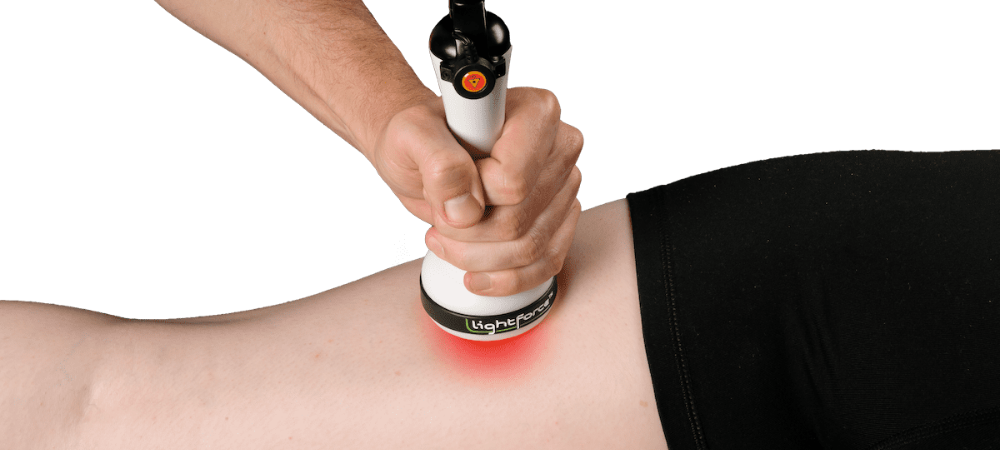
Maximizing Results with On-Contact Laser Therapy Treatments: Tips & StrategiesGuest Blog Post by Perry Nickelston DC, NKT, FMS, SFMA Successful laser therapy application depends on sufficient dosage of laser light energy reaching the target tissue. Key phrase: target tissue There are superficial structures that interfere with efficient absorption of laser photons to deep structures: Skin Fat Blood Water There are a few ways to increase efficient absorption of light to reach deeper structures of the body: Proper Wavelength Higher Power Contact Delivery Method Contact delivery is the easiest and fastest way to maximize light penetration through the superficial structures listed above. For example, let’s look at a hamstring strain: Treatment Option 1: 15 watts continuous wave 4,000 joules of energy delivered off-contact. Less joules reach the target in allotted time Treatment Option 2: 15 watts continuous wave 4,000 joules of energy delivered on-contact with a laser massage ball deep pressure contact. More joules reach target in same time. Same dosage parameter. Different sensory input and patient outcomes. 10 tips to maximize results with contact delivery: Simply start delivering treatments on-contact with the massage ball and you are already ahead. Always keep a perpendicular angle to the skin when applying pressure to ensure optimal delivery and minimal scatter of photons. Change speed of application. Go slower with deeper pressure and alternate with fast light pressure. Different neurosensory input into the nervous system and tissue. Vary contact motion direction. Do circles, squares and grids to stimulate tissue. Vary of treatment area sizes. Do larger strokes with the massage ball intermixed with smaller sizes, especially over area where you feel more tightness, restriction or adhesions. Add active range of motion from the client. The more movement they can initiate the better. More motion means delivery of light into more area. The patient will also feel range of motion increase and pain decrease during the course of treatment. Add passive range of motion for joint, capsular or ligamentous injury. Passive range of motion to tolerance is an effective way to increase photon delivery into joint spaces. Change pressures. The body cannot feel pain and pressures at the same time. Use this to your advantage by pressing harder into muscular tissue. You will also reach deeper fascial layers which are often the most restricted and chemically damaged. Use lighter pressure over superficial areas and body interfaces such as the posterior medial tibia. Treat key fascial points in the body that transmit force, regardless of the location of pain. The ability to transmit force is a key function of fascial integrity. Laser the following 4 places with 1,000 joules of energy each: a) bottom of both feet b) glute max and TFL junction c) thoracolumbar fascia d) C7-T1 fascial bridge. Move upstream and downstream from the site of pain. For example, if your elbow hurts, laser the elbow. Then treat the bicep/ tricep upstream and the forearm downstream. For knee pain, laser the knee and then treat the quad and hamstrings upstream and calf/shin downstream. Image What to do next:Think about a client you may have been struggling with that you can begin using these techniques on right now. Start using the system. Pick one strategy and use it with everyone. Make your way through the list and gravitate towards the ones you like most. If you don’t have a laser massage ball, get one and get busy! It’s a game changer…
Blog post
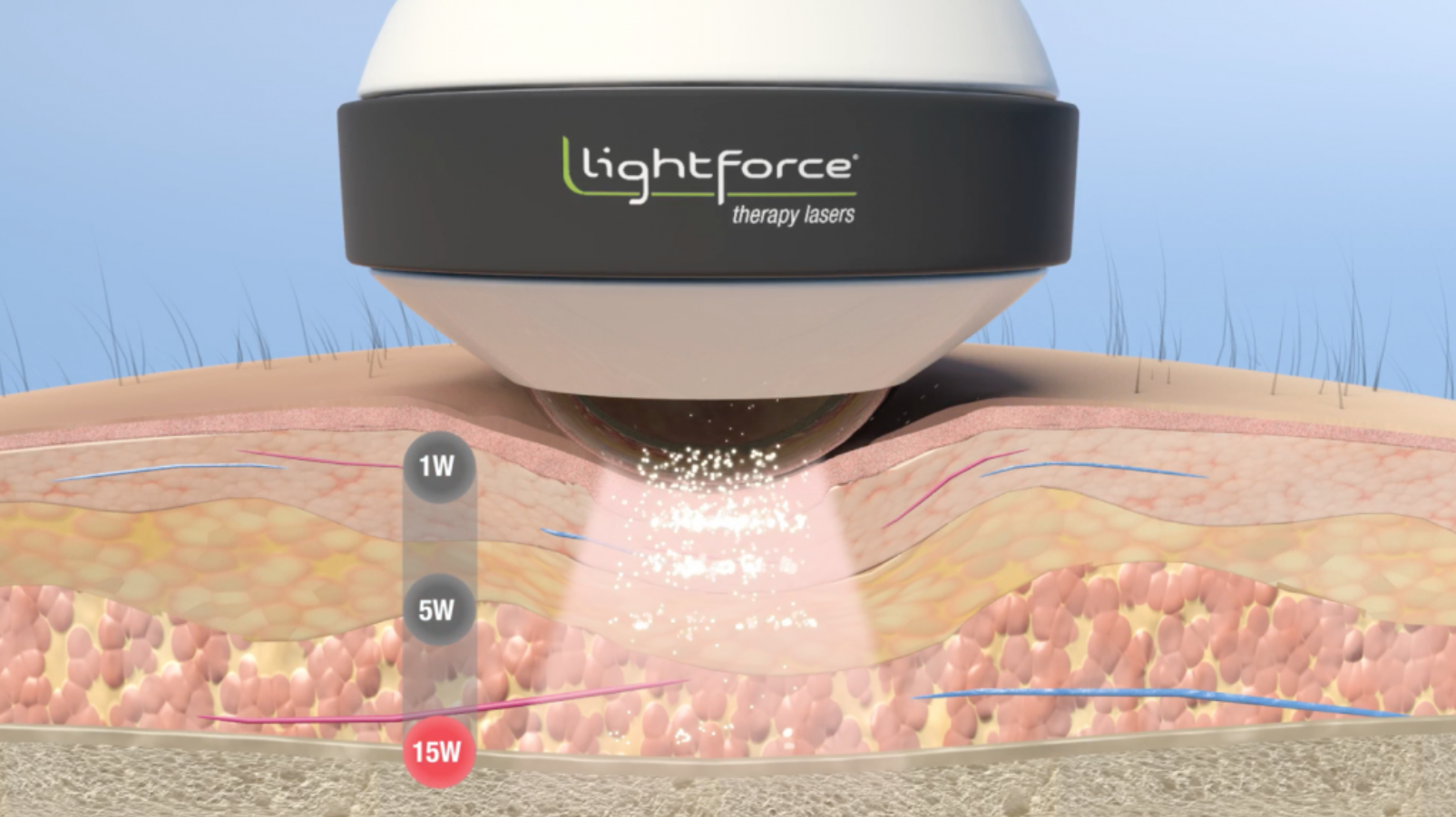
Laser Forum – Part 2: Understanding The Impact of Power on Photobiomodulation (PBM)In Part 1 of this laser forum, we discussed the basic terms related to the physics of laser therapy. Here we will cover the significant role irradiance (power density) and dosage (energy density) plays in 3 concepts pertinent to photobiomodulation (PBM) therapy. 1. Higher irradiance allows more photons to be applied at depth for a given wavelength. Please refer to the image below for a visual representation of this concept. Image This is important with regard to PBM as it is a threshold-phenomena. If sufficient light does not reach the injured target tissue, there will be no notable therapeutic change.1 Higher powered lasers can help with this problem by providing higher photonic density at the skin which helps transfer proportionate levels of light to deeper tissues. This concept can be referred to as “therapeutic depth”. It is worth noting that this is a complicated topic that goes well beyond the scope of this article and that there are several variables that impact optimal tissue dosing. 2. When treating with a laser, it can be difficult to maintain therapeutic dosing levels when treating over large surface areas. This is because as the treatment area grows, so does the denominator of the energy density equation (J/cm2) which can dilute the dose of energy being applied if higher joule levels are not applied proportionately. Having more laser power to utilize makes this adjustment easier for the clinician. Note: (J = W x s). The graphic below helps clarify how adding power impacts treatment time for a given energy density and a given area. Image In summary, adding power to the energy equation can significantly reduce the time needed to apply a therapeutic PBM dose of light. 3. The final important clinical factor that higher irradiance impacts is with regard to pain relief. More specifically, analgesia that can be created at peripheral sensory nerves when higher irradiances are applied to C and A-delta sensory nerves. It has been shown that when > 270 mW/cm2 is applied to these nerves, neuroplastic changes take place within 2-3 minutes at the peripheral nerve that slows the conduction rate of the pain signal.3 This physical change to the nerve quickly reduces pain.4 Additionally, it has been shown that an inhibition of nociceptive action potentials takes place when higher power densities are applied to nerve tissue. Specifically, a 30% neural blockade has been shown to start 10-20 min after treatment, which further reduces pain perception.4 There are other longer lasting benefits that PBM provides with regard to reducing inflammation around damaged tissue, but this is a mechanism of healing that is not unique to treatment with higher irradiances.1,2,4 One final note with regard to safety, treating with higher power density does increase the risk of thermal effects on surface tissue as more heat is produced. Using ideal wavelengths that minimize photonic absorption at the skin and utilizing appropriate treatment heads that help manage surface heat is an important component to consider when treating with Class 4 lasers. LightForce Therapy Lasers influence® Technology helps to easily manage these factors through a combination of patented software and hardware features. The patented large massage ball and large cone applicators play an integral role in delivering high powered treatments that are safe and comfortable to the patient. If after reading this you still have questions about the effectiveness of higher powered lasers, please watch this informative animation, or contact us directly at info@lightforcelasers.com. References1. Huang, Y. Biphasic Dose Response in Low Level Light Therapy. Dose Response. 2009; 7(4): 358–383.2. Bjordal JM, Couppe C, Chow RT, Tuner J, Ljunggren EA. A systematic review of low level laser therapy with location-specific doses for pain from chronic joint disorders. Aust J Physiother. 2003;49:107–16.3. Holanda, V.M. et al. (2017) The Mechanistic Basis for Photobiomodulation Therapy of Neuropathic Pain by Near Infrared Laser Light. Lasers Surg Med. 2017 Jul;49(5):516-5244. Cotler, H et al. The Use of Low Level Laser Therapy (LLLT) For Musculoskeletal Pain. MOJ Orthop Rheumatol. 2015 ; 2(5). Read More Blog Posts