

Total Items
0
0 Item(s)

Blog post
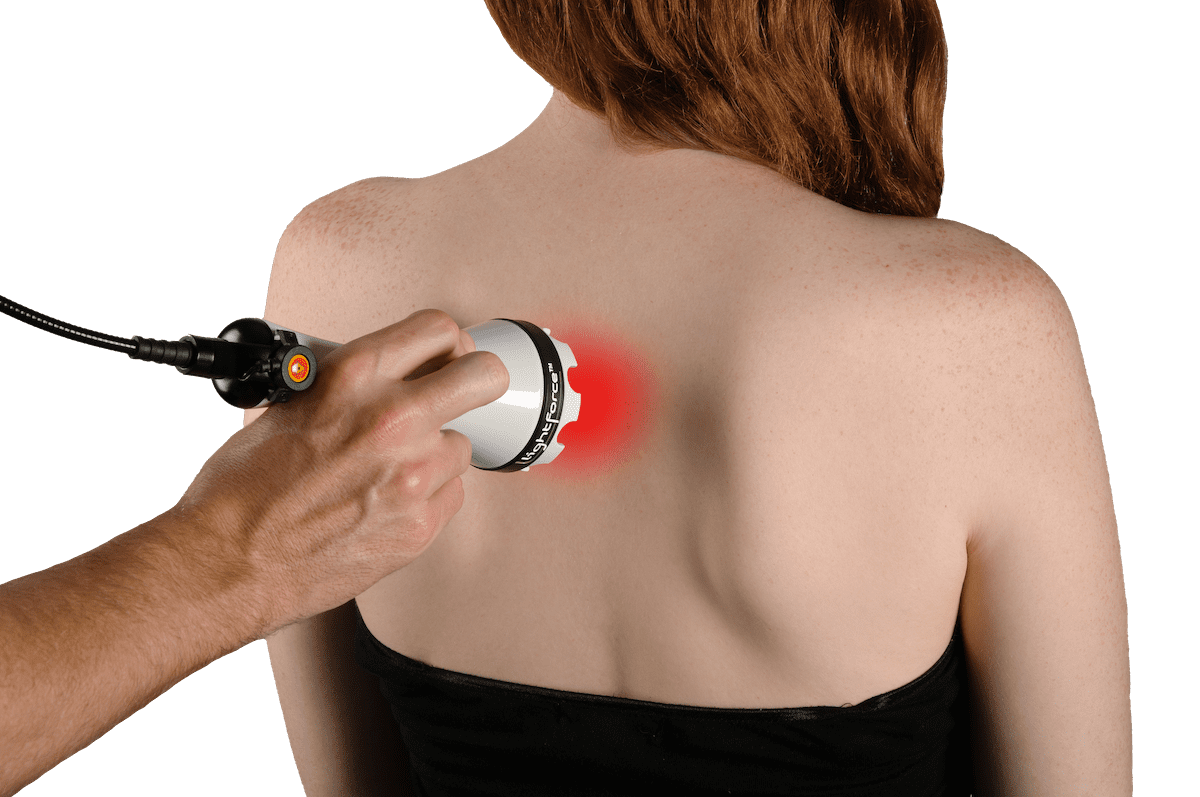
Photobiomodulation Therapy Is Making A Name For ItselfYou may have heard the terms “Cold Laser” or “Low-Level Laser Therapy (LLLT)” before. In general, such terms refer to “treatment using irradiation with light of low power intensity so that the effects are a response to the light and not due to heat.”1 Many of the terms used to commonly describe this process do not ideally reflect the mechanisms of action involved. They also don’t adequately distinguish this type of therapy from the other laser-based therapies that rely on heating tissue to achieve an effect. This lack of clarity has led to significant confusion and a need for better nomenclature. In September 2014, the North American Association for Light Therapy (NAALT) and the World Association for Laser Therapy (WALT) convened to discuss this issue, and as a result of their efforts, the term “Photobiomodulation Therapy” was added to the MeSH database. This term more accurately reflects the process and better distinguishes it “from the popular use of light-based devices for simple heating of tissues…or other applications of light energy that rely on thermal effects for all or part of their mechanism of action.”2 Image References 1. Ncbi.nlm.nih.gov. Low-Level Light Therapy – MeSH – NCBI. 2016. Available at: http://www.ncbi.nlm.nih.gov/mesh/?term=photobiomodulation. Accessed February 25, 2016.2. Anders J, Lanzafame R, Arany P. Low-Level Light/Laser Therapy Versus Photobiomodulation Therapy. Photomedicine and Laser Surgery. 2015;33(4):183-184. doi:10.1089/pho.2015.9848. Read More Blog Posts
Blog post
3 Surefire Ways to Increase Your Patient ReferralsGrowing your practice can be difficult. There are many methods you can choose to employ, from placing local advertisements to building a website. Many clinicians end up using multiple marketing tactics to attract new patients, but one thing every practice can and should do is dedicate time to increasing their patient referrals. This is an easy and inexpensive way to build practice awareness – and one that keeps on providing long after your initial investment. Here are 3 simple ways to increase your patient referrals and get the patient base you want: 1. Get SocialSocial media is an incredibly powerful and inexpensive way to promote your practice and increase your referrals. If you only have time to manage a single social media platform, go with Facebook – it’s easy to set up a page for your practice, and most office staff should be familiar enough with Facebook to put up daily posts for you. To really leverage Facebook to start increasing patient referrals, make sure you tell anyone and everyone who comes into your office to like your page. Most importantly, identify your 10 best AND social-savvy patients (the ones who are your loudest digital cheerleaders!) and ask them to like your Facebook page. You may also ask them to recommend your practice page on their own pages, if you think they would be willing to. This will help extend your promotional reach beyond your current patients and allow you, and your cheerleaders, to bring in new patients. 2. Implement a New TechnologyWhen people hear about a technology that shows promise for treating a difficult condition, they are likely to seek out someone who offers it. Get good results treating a handful of patients with the technology, and word is sure to spread. A therapy laser is one example of a technology addition that can get you results and referrals – fast. Look for a laser with higher power ranges (15-25 watts) to give yourself the flexibility to treat more areas in less time. If your laser doesn’t get results, then it won’t bring in the referrals. Tip: Take videos of satisfied patients to share on social media (with their permission of course). 3. Get Out in the CommunitySince so much of the marketing we now do is digital, it is easy to forget about the power of personal, face-to-face marketing. Attending local events and interacting with niche clubs and organizations is another great way to get your name out into the community and into people’s conversations. Are you looking to attract a specific group of patients – like athletes? Do some research and find relevant local clubs that would be willing to have you give a short lecture on a topic of interest to them. For instance, if there is a local running club, you could put together a short presentation about running injuries (and how your new technology can treat them!). When someone from the group needs to find a physician, you are a lot more likely to be considered when you have taken time to build a relationship with the group. When you start fostering relationships with people, whether it’s through social media or local events, you are building a strong foundation for a referral network. When you add a new, effective technology on top of that base, you’re building a structure to support continued referrals. The goal should be to have your referrals building on themselves, so you can spend less time marketing and focus on doing what you do best – helping people get better and back to doing what they love! Read More Blog Posts

Blog post
Game, Set, Match – Laser Therapy Makes Quick Work of 3 Common Tennis InjuriesGuest Blog by Perry Nickelston DC, NKT, FMS, SFMA Tennis is fun and exciting to play, but the potential for injury is high. In the thick of a good game, it’s easy to push harder, faster, stronger, longer and get hurt. There are a few tennis-related injuries that tend to arise more often than others, and they can be difficult to treat both quickly and comprehensively. Sometimes, these injuries require a different treatment approach – more than certain traditional treatment options, injections or medications can individually offer. Deep tissue laser therapy is one way to rapidly reduce pain and inflammation and get athletes back out on the court and playing the game they love. Sprained Ankle:Constant acceleration and deceleration in multiple planes of motion leads to inversion sprains of the ankle. The inability to decelerate is one of the highest risk factors for injury in sports. Mix that inability with high intensity play, forceful swings, and multiple matches, and injury is a high probability. The choice of shoes makes a difference too. The traction provided by different shoes can affect movement unexpectedly, usually at the expense of an ankle. A twisted ankle causes damage to ligaments and other soft tissues around the ankle, which then causes bleeding within the tissues and swelling that can be extremely painful. Laser therapy protocol for a sprained ankle:Balance of the muscles that control the ankle joint is critical. If there is inhibition or weakness, the ankle is prone to injury. When applying laser, make sure to cover the following inversion and eversion muscles for best results: the tibialis anterior, tibialis posterior and fibularis. Acute Case: For acute instances with bleeding, wait until bleeding subsides before applying laser. Once bleeding has subsided, apply laser twice daily if possible, but at least once per day. Use low dosage and low power (5-6 J/cm2 at 5-6 W) for an approximate total of 1,000 J over the ankle. Then laser the calf with higher dose and power (6-7 J/cm2 at 9-10 W) to deliver about 5,000 J to that area. Subacute Case: Treat daily or every other day. Deliver a higher dose but use a lower power (7-8 J/cm2 at 6-7 W), for an approximate total of 1,500 J over the ankle. Then treat the calf and foot with a higher dose and power (6-7 J/cm2 at 9-10 W) to again deliver around 5,000 J to that area. Tennis ElbowOtherwise known as lateral epicondylitis, this is a very common injury consisting of pain in the outside of the elbow. Tennis elbow is an inflammation of the muscles and tendons in the forearm where they attach to the humerus bone. The pain is exacerbated by gripping activities, and in some cases simple things like turning a door handle can cause intense pain. Extending the wrist backwards can also be difficult and painful. Because of forceful swinging of the racket, any weakness or tightness in the upper body can lead to overuse of the arm to generate power. Weakness is often found in the latissimus dorsi, while tightness is found in the thoracolumbar fascia and opposite side gluteus maximus. Laser therapy protocol for tennis elbow:Click here to download a study looking at the effectiveness of laser therapy for epicondylitis. Acute Case: Treat entire area, from elbow to hand, daily. When treating directly over the elbow, use low dosage and low power (5-6 J/cm2 at 5-6 W) for a total between 600-700 J. Then, using the same dosage, increase power (10-12 W) and laser the forearm to fingers and upper arm to shoulder, delivering a total of 2,000 J below the elbow and 2,000 J above the elbow. Chronic Case: Treat entire area, from elbow to hand, every other day. For the elbow, use a higher dose and a higher power than used when acute (8-10 J/cm2 at 8-10 W) for a total of 1,000 J. Then increase power again and deliver 2,000 J above the elbow and 2,000 J below the elbow. In addition to treating the immediate and directly surrounding sites of pain, you may want to consider treating the thoracolumbar fascia, latissimus, and cervical spine. Increase the power to the maximum available on your laser (preferably 15 W or above) and treat the thoracolumbar fascia and latissimus of the painful arm using a dose of 8-10 J/cm2 (6,000 J total combined dose) with open cone or massage ball. Then, reduce dosage and power (5-6 J/cm2 at 7-8 W) and deliver 1,000 J directly to the nerve root of the cervical spine. Shoulder PainSwing something often enough and the shoulder is probably going to start hurting – even if it’s a lightweight racquet. Frequent overuse of the rotator cuff muscles can cause the bursa to become impinged, leading to impingement syndrome and bursitis. Tennis players who develop this often experience pain anytime the arm is raised and even when simply sleeping at night. Sharp pain with episodes of deep aching is common. Overuse of the anterior chain muscles is also common in overhead athletes (pectoralis major/minor, anterior deltoid, bicep, and coracobrachialis are a few). It is not uncommon for the bicep tendon to pop out of the bicipital groove in the humerus, causing anterior shoulder pain and inflammation. Weakness in the latissismus dorsi, middle trapezius, and abdominals will also lead to overuse of other muscles in the swinging pattern. Laser therapy protocol for shoulder pain:To achieve the best outcomes, combine the laser therapy treatments with rehabilitation exercises, using laser therapy prior to exercise. Acute Case: Treat daily directly over the painful area (7-8 J/cm2 at 7-8 W) and deliver a total of roughly 1,800 J.Subacute Case: Treat directly over the painful area daily or every other (8-10 J/cm2 at 8-9 W) and deliver a rough total of 2,000 J. Chronic Case: Treat directly over the painful area every other day (10-12 J/cm2 at 10-12 W) and deliver a rough total of 2,500 J. In addition to treating the immediate site of pain, you should consider treating a couple additional areas (especially when the condition is subacute or chronic). Treat the cervical spine nerve root at C5-C6 (5-6 J/cm2 at 7-8 W) to deliver about 600 J. Then, increase laser to full power available on your unit (preferably 15 W or above) and treat the pectorals, humerus, mid back, latissimus and thoracolumbar fascia with a dose of 8-10 J/cm2 for a total delivery of 600 J per area. Read More Blog Posts
Blog post
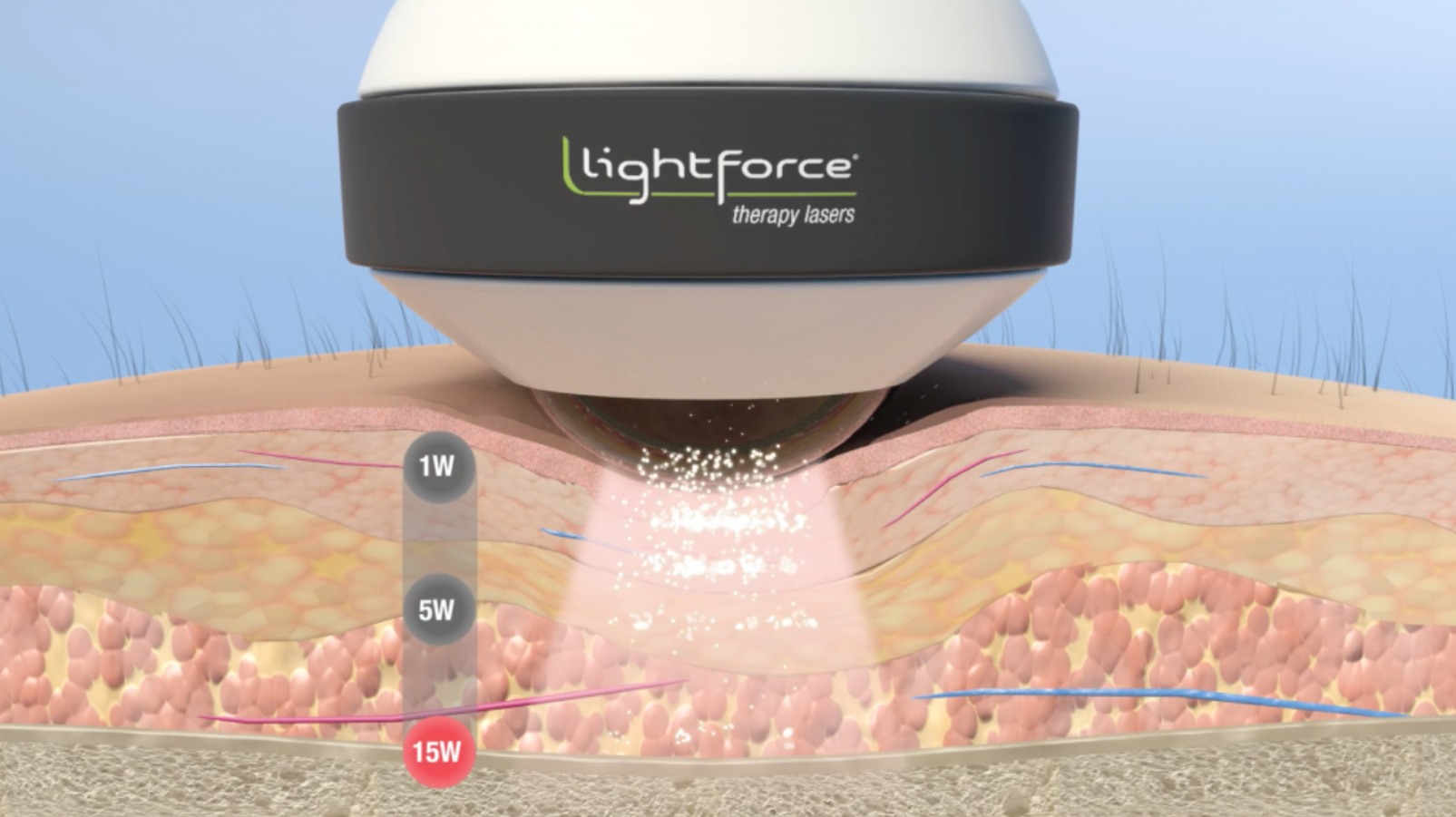
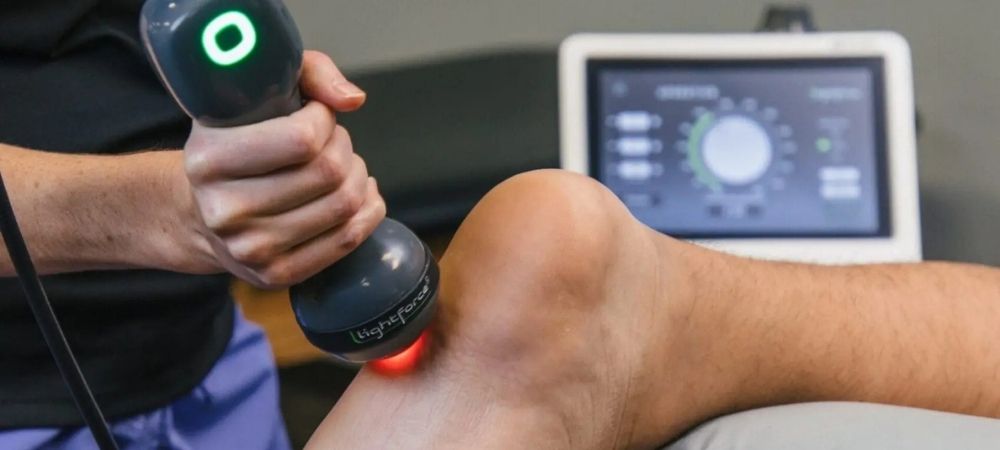
Delivering Dosing SolutionsWhen evaluating outcomes, treatments are most effective when an accurate dose is appropriately delivered. For instance, you wouldn’t use a spoon to deliver a medication that should be delivered through a needle. This principle holds true for many types of therapies – just as there are different ways to deliver medicine, there are also different ways to deliver light. For a medication like aspirin, dosing is largely based on weight and severity of condition. Treatment is generally administered orally over a given period of time, (e.g., 2 pills every 4 hours). This type of dosing and delivery is straightforward and well-understood. But how is a light-based therapy, like deep tissue laser therapy, dosed and administered? Delivering a Dose of EnergyLaser therapy dosing is also straightforward – it involves delivering a calculated amount of energy to a specified area (measured in J/cm2). Dosages are determined situationally based on numerous factors, including acuity, patient absorption characteristics, and relative depth of the affected structure within the body. The treatment length is dependent on the power of the laser, while the number of treatments is typically left up to the clinician’s discretion and recommended protocols. Once the dose amount and treatment schedule are determined for the given situation, the most crucial element for success involves using an appropriate delivery method to ensure an adequate dose is delivered. Many therapy lasers, especially higher-powered models, are equipped with a handpiece that is designed to be moved using a scanning technique to administer treatments. Handpiece design and treatment method can greatly impact delivery accuracy, so it is important to use an application-specific delivery system. Ideally, a delivery system should be reliable, versatile, and durable enough to deliver dependable results for every condition, every patient, every time. Image ReliabilityTo achieve positive clinical outcomes, it is necessary to deliver consistent amounts of energy. When administering laser therapy, this is best achieved by using an on-contact treatment method. By making direct contact with the skin’s surface, this method of treatment helps to reduce light energy lost to scatter and reflection off of the skin’s surface. Certain on-contact treatment attachments, such as the patented LightForce massage ball, encourage superior energy transmission by displacing superficial fluids and compressing tissue at the treatment site, allowing more photons to reach the target tissue. VersatilityWhile on-contact treatment methods are highly reliable, they are not advisable in all instances. Sometimes it is necessary to treat off contact for comfort purposes (e.g., treatment over broken skin or bony prominences). In such instances, the best results are achieved by using a treatment attachment specifically designed for off-contact treatment. There are also situations where clinicians need to treat smaller areas, such as fingers or toes. In these cases, a smaller spot size is preferable. The Empower Delivery System™, LightForce’s comprehensive delivery solution, offers maximum versatility with 5 treatment heads that provide a range of beam size options in both contact and non-contact modes. Image DurabilityIn addition to facilitating reliable results and offering clinical versatility, a delivery system should also be durable. If the delivery system fails, treatments cannot be delivered until it is repaired, which wastes precious patient and practice time. A delivery system therefore needs to be robust enough to stand up to the rigors of everyday use. For therapy lasers, a main component in determining durability lies in the security of the fiber optic cable. This fiber optic cable is what transmits the light from the main unit to the handpiece, so it is critical that it be protected. The Empower Delivery System employs an extra-long stainless steel sheath, covered in a durable rubber coating to ensure every inch of the fiber optic cable remains protected during use. This type of construction allows the user to manipulate the handpiece with ease during treatment without harming the fragile fiber. Image If you’re looking for a therapy laser with a delivery system you can rely on, consider looking at LightForce – each and every LightForce laser comes equipped with the Empower Delivery System. The EDS features 5 treatment attachments (including the patented massage ball), the most durable fiber cable available, and is backed by a dedicated customer service team, to help you deliver consistent results for every patient, every time. Read More Blog Posts

Blog post
7 Marketing Musts for Hosting a Successful Open House – Part 3: Executing and Following UpNow that you’re done planning and marketing your open house, it’s time to get hosting and make the most of all your hard work! Image 6. Having Your Open HouseBefore your guests arrive, have a list of everyone who is registered so you can check them off as they arrive. You may also want to ask them to fill out some additional information upon arrival to further qualify their interest level and needs. Once people are there, try to get them to sign up for your services by giving them demonstrations. People generally appreciate complimentary treatments and samples, and are likely to repay the favor by scheduling an appointment or purchasing products. To further incentivize people to schedule appointments, you can also offer a special discount exclusive to open house attendees that schedule at the open house. Think about taking some photos and videos during your open house to post on your social media pages and website (with your attendees’ permission of course!) to get people who didn’t attend interested in attending similar events in the future. This is also a great opportunity to get some video testimonials for your practice and any new products or services you offer. These testimonials can also be posted on social media and your website to enhance your existing promotional efforts. 7. Following UpThe benefits of hosting an open house shouldn’t end when the last guest leaves. To get the most out of your open house, you need to follow-up, both with people who registered but were unable to make it and with people who attended. You may not think to follow-up with people who didn’t attend, but it’s an important step that could result in more business for you. The people who registered were clearly interested, so you need to capitalize on that interest while it’s still present. Consider calling or sending a follow-up email to express that you are sorry they missed the event, but still want to show them what you have to offer. You can provide a date for another upcoming open house, or offer a discount or free sample to encourage further interaction. When following up with people who attended, make sure you first thank them for coming. For people who didn’t schedule appointments or purchase product at the open house, offer an incentive for them to do so now. You can either extend the special pricing offered during the event, or offer a similar promotion to encourage post-event purchase. Remember – an open house is an opportunity for you to show off your best assets, so make the most of it! If you follow these 7 steps, you can easily host a successful event and get people excited about what you have to offer.
Blog post
7 Marketing Musts for Hosting a Successful Open House – Part 2: MarketingOnce you’ve finished planning your open house, you can begin taking steps to market your event: 4. Develop your messageOnce you’ve nailed down your goal, target audience, and event details, you can begin developing the message to promote your open house. The immediate goal of your marketing should be to get people to RSVP so that you can get a count of how many people are coming and plan accordingly. Make the RSVP your main call to action, and make it easy for people to register. This can easily be accomplished by providing a phone number for people to call and having a dedicated staff member keep a spreadsheet of all registrants. Make sure you also highlight the most exciting pieces of your event. You’ve worked hard to plan a great event, so let people know why your event is going to be great! Free food and drink, complimentary product samples and service demonstrations, and educational lectures should be prominent in your messaging if they are included at your open house. For an additional incentive, you may want to advertise a free first appointment as a thank-you to all who attend your open house. Free appointments are hard to pass up, so keep that in mind if your initial promotional efforts aren’t as successful as you wanted, or if you just want to sweeten the offer a little. 5. Choose your marketing channelsThere are many ways to promote an open house, so you need to decide which platforms work best for your given budget and audience. Electronic promotion is a must. If you have a website and/or social media pages, you absolutely need to promote your event via those avenues. Social media is free, so it works great for promotion on a tight budget. It also presents a great platform for your best patients to help you promote – with social you aren’t only promoting to your contacts, but also to your contact’s contacts, and their contact’s contacts, and so on. Look into email marketing as well. Sending emails is an easy and affordable way to reach a large number of people with a single click. Whether you tackle this in-house, or elect to outsource your email marketing efforts, make sure you obtain and analyze your statistical results so you can refine your future messaging for greater impact. Local, in-person promotions should also be pursued. These are particularly powerful if you are targeting a niche group, like athletes. Do some research and find out if there are any specialized groups in your area and where they meet. Schedule some time to attend one of their events to introduce yourself and hand out some flyers. If your targeted group is based out of a busy place like a gym, you should also put up an event poster and make time to tell people about it. People generally respond better to in-person invitations than impersonal mass mailings. Image You may additionally want to consider doing some print promotions such as a postcard mailing or newspaper advertisement. Before pursuing these types of promotions, make sure you look at the printing and placement costs to determine whether they work within your budget and satisfy your planned ROI. One final marketing avenue worth consideration is telemarketing. This can be done either in-house or outsourced, depending on your staffing situation. Existing patients are likely to respond better to this method than non-patients, since they already have a relationship with you, so if you’re hosting an open house to showcase a new product or service, this is a great way to get current clients interested. Stay tuned for Steps 6-7! Like us on Facebook to be alerted when they’re available. Read More Blog Posts

Blog post
7 Marketing Musts for Hosting a Successful Laser Therapy Practice Open House – Part 1: PlanningOpen houses aren’t just for prospective home buyers – they can be for prospective patients, too! People like to try before they buy, and hosting an open house at your laser therapy practice is a great way to introduce yourself and your services to interested patients. To make the most out of this marketing opportunity, follow these 7 steps for success: 1. Determine your goalBefore committing to any marketing endeavor it is very important to establish a goal. There may be several reasons for hosting an open house, so you need to decide which one best matches your current situation. The overall goal of a laser therapy practice open house for most practitioners is to expand their patient base, but it is also important to pay attention to secondary, more immediate goals, as they will help you develop and refine your messaging. For instance, if you are opening a new practice, you may want to host an open house to introduce yourself to the community. On the other hand, if you have an established practice and a new technology, like a therapy laser, you might host an open house with the goal of generating interest in your new product. The long-term goal of both events would be to attract more patients, but the short-term goals of practice and product awareness are different and will therefore be marketed differently. Here are some short-term goals to consider that will encourage growth of your patient base: Increasing practice awareness Introducing a new product Introducing a new service Introducing a new staff member Showcasing a new facility Building a community relationship Whatever your reason for hosting an open house, make sure you are clear what results you expect so you can both market effectively and measure your success following the event. 2. Define your targetAnother crucial step in hosting a successful open house is deciding whom you want to invite. You should choose your target audience to match your goal. If you are hosting an open house to highlight a new product or service, like laser therapy, invite people who are good candidates for the service or are likely to purchase the product. If your goal is to grow your practice in general, you should consider targeting a unique subset, because having a smaller target audience will help you to better define your messaging. To determine which groups to target, look at what you are trying to treat. For a clinician that offers laser therapy, for example, pain relief and inflammation reduction are going to be key factors. Here are some examples of niche demographic groups such practitioners should consider targeting: Athletes Post-surgical patients Migraine patients Fibromyalgia patients Post-herpetic neuralgia patients You should also invite some of your best patients – the ones that rave about you and tell everyone they know. They can help drum up excitement and attendance before the event, and your guests will appreciate the opportunity to speak with them during the event. 3. Plan your eventNow that you know why you’re having an open house and who you’re inviting, you need to plan your event. Having demonstrations of services and samples of products is great interactive way to show people what you have to offer. Depending on the service or product, you can either demonstrate on a willing staff member, or on guests themselves. If you’re hosting a niche group, come up with some useful information to offer them. For example, if you’re inviting athletes, consider giving a presentation on a relevant topic involving a product or service you offer. If you offer laser therapy, a talk on “5 Ways Laser Therapy Can Help Keep You In the Game” would be both informative and useful for attendees. Here are some additional event extras to consider: Food and drink A special speaker (ie. a local politician or celebrity) A raffle or prize Coupons for future purchases Stay tuned for Steps 4-7! Like us on Facebook to be alerted when they’re available.

Blog post
3 Tips to Deliver Successful Deep Tissue Laser Therapy TreatmentsLaser therapy is a powerful tool that can deliver incredible results. As with any modality, the best outcomes are achieved when treatment is applied in the correct circumstances and administered with appropriate technique. Below are 3 tips to help you deliver the right dose, for every condition and every patient, every time. 1. Evaluate the SituationBefore beginning laser therapy, take time to look at relevant condition-related variables and consider whether you want to integrate laser therapy as part of the treatment course. One variable you need to consider is how receptive the condition will be to laser therapy. Conditions that exhibit inflammation are likely to respond well, so most “itis” conditions are good candidates. You should also look at using laser therapy in circumstances where pain reduction is a primary objective. Since most inflammatory conditions such as arthritis, epicondylitis, and plantar fasciitis are painful, laser therapy can often be used to accomplish both pain and inflammation reduction simultaneously. Acuteness of the condition should also be looked at. If a condition is chronic, treatments should be modified to maximize outcomes. A good rule of thumb when addressing chronic conditions is to start treating with reduced power and slowly increase the power as treatments continue, depending on patient progress and feedback. 2. Educate the PatientSetting expectations is an important part of any treatment plan and will help increase overall satisfaction. Patients generally want to know not only what laser therapy is, but also what treatments are like, how many treatments will possibly be needed, and what level of results they should expect. Make it a priority to educate patients about laser therapy, both before and during treatment. Patients should be able to start learning about laser therapy before they even schedule an appointment. Having a page on your website dedicated to laser therapy, with videos, FAQs, and testimonials shows patients you are committed to providing them with the best treatment options and are confident in the therapy. Laser therapy education should continue once patients are in the office, so you will want to equip your staff and space with relevant information. Some patients will want to know details about how it works, while others will only want to know whether it works – so make sure the staff is enabled to provide answers, either directly or through external resources like blogs and videos. You should also put up posters and banners, and have brochures at the front desk for patients to read while they are waiting for their appointment – enable your patients to educate themselves. Once patients know what laser therapy is and what it can be used to treat, they then want to know what treatments are like. When consulting with patients who have opted to begin laser therapy treatments, let the patient know that they can expect to feel a gentle warmth as the laser is being applied. You can also tell them approximately how long the treatments last, which is dependent on the condition but typically within the range of 5-10 minutes. Finally, it is critical to set expectations related to results. Patients with acute conditions will often respond better and quicker than patients with chronic conditions, so certain chronic conditions may require more treatments and may not resolve as fully as acute conditions. As long as this expectation is set clearly and early, patients are usually very happy with their results. 3. Take Time to Treat ProperlyIt doesn’t matter how well a treatment plan is developed if it isn’t executed well. As with many modalities, laser therapy works best when certain treatment technique guidelines are followed and proper dosages are delivered. One important technique consideration is the application of laser therapy directly to the skin’s surface – not through clothing or bandages. Fabric both absorbs and reflects a great deal of light, reducing the amount of energy able to reach the target and therefore inhibiting delivery of a full dose (see a video demonstration here). To further increase the amount of light reaching the target, the handpiece should also be held perpendicularly to the skin’s surface, to help minimize scattering and reflection of light off the skin. Optimal outcomes are achieved by fully saturating the area being treated with laser light. The handpiece should be moved in a painting motion and applied in a grid-like pattern, so that the desired area is completely and evenly covered. If treating an extremity, it is also advisable to move the handpiece around the limb 360 degrees to reach all available angles. Laser therapy dosing is measured in joules/cm2, so coverage area is an important factor. Treatments should also be delivered on contact, unless there is a clear reason to not do so. During on-contact treatment, less light is scattered, and the pressure from the massage ball attachment helps to displace superficial fluids, allowing more energy to reach the target and enabling more accurate dosing. Using active range of motion further encourages proper dose delivery to deep target structures. By following these 3 tips, you can ensure your patients are getting the most out of their laser therapy treatments, each and every time! Read More Blog Posts
Blog post
5 Things You Should Know About Deep Tissue Laser Therapy™Clinicians are using laser therapy more often than ever before to help reduce pain and inflammation related to many common conditions. Thousands of doctors and patients have experienced the power of laser therapy and are familiar with its therapeutic effects, but for those who aren’t, here are 5 things everyone should know about it: 1. It reduces pain and inflammation without side effectsLaser therapy uses a process called photobiomodulation. Photons enter the tissue and interact with the cytochrome c complex within mitochondria. This interaction triggers a biological cascade of events that leads to an increase in cellular metabolism and a decrease in both pain and inflammation. Unlike medications, laser therapy reduces pain without undesirable side effects. It is also important to point out that patients report long-lasting pain relief. While the number of treatments required may vary depending on the acuity of the condition, many patients experience lasting relief after only a couple treatments. 2. Can be used for acute and chronic conditionsWhen treating acute conditions with laser therapy, it is particularly effective when it is administered as soon as possible following injury (assuming there is no active hemorrhaging). The faster the inflammation is reduced and the healing process can begin, the better. In the case of acute injury, laser therapy helps restore the body to normal function quicker. With chronic conditions, laser therapy is used most often to help combat persistent pain and inflammation. The new LightForce 40 watt XLi therapy laser is being used by clinicians to quickly reduce inflammation in patients suffering from chronic pain. This therapy laser is especially well-suited for treating chronic conditions because it enables clinicians to treat a wider area of interest while still delivering therapeutically relevant dosages. 3. Treatments can be customized for each situationLasers that have larger power ranges offer versatile treatment options. A laser that can be set to operate from 0.5 W all the way up to 25 W, allows the clinician flexibility to treat low and slow or at maximum output. The availability of multiple treatment heads offers additional flexibility for the clinician. The LightForce Empower™ Delivery System, for example, features 5 different treatment heads, each designed to facilitate optimal delivery in different scenarios. It is important to have several delivery options to ensure the delivery method is appropriately matched to the situation. For instance, when treating over bony prominences, an off-contact treatment method is advisable. However, when treating deep-tissue structures, such as a hamstring, an on-contact massage ball attachment is best to reduce reflection and scattering, and also encourage deeper penetration by displacing excess fluids. Different sized treatment heads can also be advantageous for administering treatments that require varying levels of precision. Advanced software is another tool that helps with treatment customization. Influence Technology™ allows clinicians to build custom treatments by selecting body region, condition, and specific patient characteristics. Touchscreens and intuitive selection processes make delivering the right dose easy. For even more customization, clinicians can also formulate their own protocols by entering a couple key components with LightForce’s newest software feature, Perfect Protocol™. 4. Treatments Feel GoodOne common question related to laser therapy is, “What does it feel like?” Depending on the laser, it can create little to no sensation or it can create a gentle, soothing warmth. Many patients receiving LightForce Therapy Laser treatments report enjoying the experience, especially when a massage-ball treatment head is used to deliver what is often referred to as a “laser massage.” Patients receiving treatments with higher-power lasers also frequently report a rapid decrease in pain. For someone suffering from chronic pain, this effect can be particularly pronounced. Laser therapy for pain can feel good. 5. Treatments Are FastWith LightForce lasers, treatments are quick, usually 5-10 minutes depending on the size, depth, and acuteness of the condition being treated. High-power lasers are able to deliver a lot of energy in a small amount of time, so therapeutic dosages are achieved quickly. For people with packed schedules, patients and clinicians alike, fast and effective treatments are a must. Read more about lasers for chiropractors and chiropractic laser therapy. References Hamblin MR, Demidova TN. “Mechanisms of low level light therapy.” Proc. of SPIE Photonics. 2006; 6140: 614001-01-12. doi: 10.1117/12.646294 Kingsley JD, Demchak T, Mathis R. “Low-level laser therapy as a treatment for chronic pain.” Frontiers in Physiology. 2014; 5(306): 1-3. doi: 10.3389/fphys.2014.00306 Read More Blog Posts

Blog post
Laser Therapy is a Slam Dunk for Basketball InjuriesGuest Blog by Perry Nickelston DC, NKT, FMS, SFMABasketball players stack up the miles – both on the court and on their bodies. Fouls, falls, and failure to rest lead to acute and chronic injuries that can end games and occasionally careers. Prevention and treatment of these injuries is a primary concern for practitioners and players alike. Laser therapy is helping to address this concern by quickly and effectively treating pain and inflammation related to numerous common basketball-related injuries. Here are 3 common basketball injuries and the recommended treatment protocols for each: Ankle Sprains:The most common basketball injury is the ankle sprain. This injury often occurs when a player lands on another player’s foot or the ankle rolls inward (inversion) during a pivot motion, stretching and tearing ligaments (partially or completely). Treatment for ankle sprains often involves immobilization via casting or taping, ultrasound or muscle stimulation. Laser therapy is also a very effective modality to help reduce swelling and pain, and to accelerate recovery time. Laser light triggers ATP production to accelerate the repair of damaged cells and growth of healthy new cells, including those that make up cartilage (chondrocytes), bone (osteocytes), and connective tissue (fibroblasts). The sooner you can apply laser therapy to an ankle sprain, the quicker the recovery will be. Treatment suggestions: Acute stage: Lower power (5-6 W) and lower dosages (6-7 J/cm2), with an average total dose of 1,500 J. Treat daily for 3 days and then every other day. Total number of sessions depends on the client. Chronic stage: Higher power (10-15 W) and higher dosages (8-10 J/cm2), with an average total dose 3,000 J. Treat every other day for 4-6 sessions. Knee InjuriesKnee injuries are some of the most serious basketball related injuries. Knee sprains, meniscus tears and ACL tears occur often. To help the injuries heal, immobilization is often a first go-to option for treatment. After rest, progression to stretching and strengthening exercises is typical if surgery is not indicated. In addition to rest and strengthening exercises, decreasing inflammation helps further the recovery process. Laser light fights excess inflammation by increasing the anti-inflammatory cytokines that bring chronic inflammation to an end. They lower the number of neutrophil cells that can contribute to chronic inflammation, and they increase the number of macrophage cells in the immune system, helping to remove damaged cells. Treatment suggestions: Treat areas surrounding and including the location of pain in an off-contact method. Acute stage: Lower power (5-6 W) and lower dosages (6-7 J/cm2), with an average total dose of 1,500 J. Treat daily for 3 days and then every other day. Total number of sessions depends on the client. Chronic stage: Higher power (10-15 W) and higher dosages (8-10 J/cm2) with an average dose 3,000 J. Treat every other day for 4-6 sessions. Overuse InjuriesRelentless practice and a demanding competitive game schedule can lead to overuse injuries. The constant start, stop, pivot, acceleration and deceleration motions can put strain on joints and soft tissue. One common overuse injury is patellar tendinitis, or “jumper’s knee,” which is characterized by pain in the tendon just below the kneecap. Achilles tendinitis is another common overuse injury, causing pain in the back of the leg and foot that can often take a player out of competition for extended periods of time. Players who engage in repetitive shooting motions also frequently suffer from tendinitis in the rotator cuff and elbow that can drastically impact their ability to shoot effectively. Laser therapy is a great option for treating injuries such as this because it preferentially affects damaged cells, or cells that are struggling to function and need cellular energy the most. Cells that have a limited blood supply and lack of oxygen due to poor circulation are more sensitive to near-infrared laser light than are well-functioning cells. Treatment suggestions: Acute stage: Lower power (6-7 W) and lower dosages (6-7 J/cm2), with an average total dose of 1,800 J. Treat daily for 3-5 days and then every other day. Total number of sessions depends on the client progress. Use the open cone attachment for bony areas and the massage ball for deeper tissue. Chronic stage: Higher power (10-15 or more W) and higher dosages (10-12 J/cm2), with an average dose 3,000 J- 5,000 J. Treat every other day for 4-6 sessions. To see how collegiate programs are using laser therapy to keep their athletes in the game, read this article recently published in Advance Magazine outlining the role laser plays in Duke’s athletic programs. Read More Blog Posts