

Total Items
0
0 Item(s)


Blog post
The Naked Truth: Why Laser Therapy Shouldn’t Be Applied Through ClothingHave you ever looked around on a beach and seen people wearing long-sleeved shirts? While this might not be the expected wardrobe option, especially on a hot day, it’s one that makes sense for people who want to limit their sun exposure. Even a lightweight fabric is remarkably efficient at keeping the sun’s energy from reaching your skin. Sometimes, however, you may not want that extra layer of protection from light energy. When receiving laser therapy treatments, for instance, the best outcomes are achieved when the proper amount of energy is able to reach its target within the body. If there is a layer of clothing, a dressing, a bandage or a cast between the laser and the skin, much, if not all, of the energy is lost to the material before it can enter the body. How lasers interact with clothing Image Laser light can interact with surfaces in one of three ways: reflection, absorption, or transmission. Laser therapy works best when reflection off the skin’s surface is minimized, and absorption into the tissue maximized. By adding a layer of fabric, the laser light is not able to interact with the body in the same way. Depending on the color of the fabric, either a greater amount of reflection off the fabric, or absorption into the fabric, will take place. This means that less of the energy is reaching the skin’s surface, and even less is reaching its target within the body. One way to visualize this concept is to picture a tightly woven chain link fence and someone holding a bucket full of ping-pong balls. The fence represents a layer of fabric, while the balls represent the photons (or energy). If you were to throw the ping-pong balls at the fence, some would bounce off, while some would get stuck in the fence itself, leaving far fewer to make it to the other side. Laser light behaves in much the same way when it comes in contact with fabric. Why power loss mattersWhy is this concept so important? Well, this loss of energy can have dramatic effects on treatment outcomes. Laser therapy treatment protocols rely on a certain amount of energy being distributed over a given area, so when less than the recommended amount of energy is delivered, results will be variable and often disappointing. This layer loss effect is even more pronounced with lower-power lasers. Class III lasers, for example, emit a maximum of 0.5 W, while some Class IV lasers, like the LightForce EXP, can emit at powers up to 25 W. Let us say, for demonstration purposes, that a layer of fabriccauses a 75% power loss. Image This means that a Class III laser emitting at 0.5 W is only delivering 125 mW to the skin’s surface when treating through clothing, while a Class IV laser emitting a 25 W is still delivering 6.25 W to the skin’s surface. Based on the therapeutic relevance of these different doses, there will be a much larger disparity between the expected and actual results for the Class III laser than the Class IV. However, neither scenario is advisable. To ensure adequate dosing, laser therapy needs to be applied directly to the skin, in either a contact, or non-contact manner. Losing layers, improving outcomesWhile clothing may be beneficial on a beach, it acts as an undesirable barrier during a laser therapy treatment session, preventing much of the laser energy from reaching its target. By stripping off the common misconception that it is acceptable to treat through clothing, dressings or any material, you will greatly improve outcomes by delivering more consistent and effective treatments. To learn more about how fabric affects the delivery of laser therapy, watch the video below. Read More Blog Posts

Blog post
If It’s an “Itis”, Laser Therapy Can HelpGuest Blog by Dr. Perry Nickelston DC, NKT, FMS, SFMA If you are a medical professional or a word buff, you probably know that when the suffix “itis” is added to the end of a word, it indicates the presence of inflammation. There are so many common conditions that include this suffix in their nomenclature that people often don’t think about the inflammatory component. Yet looking at the naming conventions of medical conditions can help us better understand their qualities, and more importantly, potential treatments. When developing a treatment plan for “itis” conditions, you can expect that inflammation reduction will play a key part in the treatment process. Typically, patients focus on relieving the pain, while the clinician may be focused on both relieving the pain and reducing the inflammation to not only make the patient more comfortable in the short term, but also encourage resolution of the condition and permanently reduce discomfort. Common therapeutic approaches for pain and inflammation reduction include ultrasound, electrical muscle stimulation and ice. Each of these methods does their part in reducing pain and inflammation, but there is another method that also works wonders – laser therapy. What makes laser therapy an excellent choice for patients and clinicians looking to reduce both pain and inflammation? For one, it is non-invasive, fast, and effective. Additionally, laser light works with the body on a cellular level, specifically targeting damaged cells and tissues, to activate the body’s own analgesic and inflammatory mechanisms. The effects are also photochemical in nature, not photothermal, so thermal damage to tissue is not a concern as it may be with other common treatments. Finally, laser therapy can also increase vasodilation, helping to bring vital nutrients to damaged areas.Here are 3 common and stubborn “itis” conditions that laser therapy works wonders on: 1. ArthritisTreatment plans for chronic “itis” conditions, like arthritis, usually focus on maintenance of pain and inflammation, rather than complete resolution. Often, several medications are used to alleviate the symptoms – typically one or more for each symptom, and occasionally additional ones to manage the side effects. Laser therapy presents a great option for people looking for a drug-free, non-invasive treatment option. Class IV therapy lasers are particularly effective for treating the pain and inflammation related to arthritis because they are more powerful and can deliver larger doses in shorter treatment times. When treating chronic conditions like arthritis, larger dosages are recommended for maximum relief. Dosage applications range from 6-10 joules/cm2 depending on the area being treated, for a total of 600-1,000 joules of laser energy per 100 cm2. Treatments every two days for 6-10 sessions is recommended. 2. EpicondylitisEpicondylitis is another common condition that is notoriously difficult to treat and resolve. Cortisone shots are a common treatment for this condition, and can be effective for temporary relief of pain and inflammation at the injection site. However, these treatments are not without side effects, and do not generally facilitate long-term relief or resolution. Physical therapy is also commonly used to treat this condition and frequently results in positive outcomes. Depending on the situation, therapists may decide to use manual manipulation only or they may opt to incorporate modalities. When incorporating modalities, one great tool to help physical therapists increase the frequency of these positive outcomes is laser therapy. Laser therapy has been shown to effectively treat this condition, without side-effects, by promoting long-term relief from the symptoms associated with chronic epicondylitis. It can additionally be used to treat areas other than the direct site of pain, which is especially helpful in chronic cases that frequently see the development of satellite pain sites. A dosage of 6-8 J/cm2 is recommended, for a total of 600-800 J of laser energy per 100 cm2. Average treatment for an elbow is 3,000 J. Moving the elbow joint through flexion, extension, supination, and pronation during treatment is effective at delivering laser energy to tissue and keeps the client actively involved. Most cases require 8-10 treatment sessions. 3. Plantar FasciitisMost people have either suffered from plantar fasciitis themselves or have known someone who has. It can be an extremely painful condition that patients struggle to find relief from. Treatment options range from orthotics such as inserts, splints, and boots, to medications such as aspirin or even opioids. Patients can also engage in certain exercises to help stretch and strengthen the area. Physical therapy is another treatment option that is especially effective when coupled with laser therapy. The laser helps to reduce the pain and inflammation quickly to enhance the positive effects from the physical therapy. The laser can also be used to relieve inflammation in areas such as the calf and hip, which may either be contributing to or affected by the initial condition. Application of the massage ball on the calf and soles is very helpful in delivering laser energy and manual therapy to troublesome trigger points that refer pain to the foot. The recommended dosage for this condition is 8-10 J/cm2, for a total of 800-1,000 joules per 100 cm2. Plantar surface of the foot usually gets between 1,500-2,000 J and the calf and Achilles receive 3,000 J. Typically, 6-10 treatment sessions are advised for this condition. Watch a plantar fasciitis treatment video here. Read More Blog Posts

Blog post
Get Off The Bench and Back On The Ice With Laser TherapyGuest Blog by Dr. Perry Nickelston DC, NKT, FMS, SFMA Hockey players take some hard knocks – and not just the “face-smashing against Plexiglas” ones you see on YouTube. Heavy-duty pads can help protect against some bumps and bruises resulting from hard hits, but impact injuries still take their toll. There are also the less dramatic (but equally as crippling) overuse injuries like sprains and strains caused by repetitive motion and intense training. With so many demands on their bodies, tough players need powerful modalities to help keep them off the bench and in the rink – which is why numerous professional hockey teams rely on class IV laser therapy. By reducing pain and inflammation quickly and effectively, laser therapy has become a go-to modality for many professionals, both on and off the ice. Here are 3 common hockey-related injuries that respond particularly well to laser therapy: Groin Pain and Adductor StrainsProximal adductor strains and groin pain injuries are common in hockey. These types of injuries can be difficult to recover from because of their involvement in controlling the skates on ice. The pectineus and adductor (longus, brevis, and magnus) are often the culprits, as they play a synergistic patterning role in hip flexion and extension. Application of laser therapy with an open cone attachment to the pectineus and adductor complex can help reduce inflammation and pain in these areas. Total dosage may range from 3,000 to 6,000 joules depending on the size of the area being treated. Generally your target dosage should be about 10 J/cm2. Depending on the laser model being used, the clinician can treat with anywhere between 10-25 watts of power, with the length of treatments being dependent on the power used. Typically, 6-10 sessions should be scheduled, followed by reassessment. Knee SprainsMedial and lateral knee sprains frequently occur in hockey players as a result of both microtrauma and the direct trauma of impact. Often, lack of mobility in the hip and ankle contribute to excessive motion in the knee joint, while fascial snags in the soft tissue of the knee will alter elastic force transmission from ankle to the hip, leaving the player at greater risk of injury. Referred pain to the knee from trigger points in the thigh can also lead to discomfort and reduced mobility. Ligament injuries caused by such trauma respond well to a combination of laser therapy and corrective exercise, and laser therapy can be applied during, before, or after the course of corrective exercises to reduce any related pain or swelling. For this type of injury, an open cone attachment can be used to deliver laser therapy to the medial and lateral knee (1,000 J per side), while a massage ball attachment works well on the upper thigh to cover the rectus femoris, hamstrings, adductors and vastus lateralis. For additional treatment coverage, the massage ball can also be used on the gastrocnemius, posterior tibialis and posterior knee. The target dose for these areas should be 8-10 J/cm2, and a power setting of 8-10 W is ideal to keep the treatment times short. Depending on the extent of injury, it may require anywhere between 4-10 sessions. Shoulder InjuriesDirect impact shoulder injuries causing impingement and joint compression are another common injury in hockey. Bursitis and inflammation of the surrounding tissues can restrict range of motion, making it difficult to control the hockey stick and puck with the expected level of precision. Decreased motion over time may progress to osteoarthritis of the shoulder joint, so it’s important to assess the shoulder blade and latissimus muscle in all shoulder joint mechanics. To effectively reduce such shoulder pain and inflammation, use a massage ball attachment to deliver a laser therapy treatment to the shoulder joint, paying special attention to the posterior capsular region, as well as the pectoralis minor and rotator cuff muscles. Continue treating into the latissimus dorsi muscle and down to the thoracolumbar fascia. Additionally, laser on the fascia of the posterior oblique sling attachments will have a noted positive impact on the shoulder range of motion. For a shoulder of average size, a dosage of 10-12 J/cm2 should be delivered at a power setting of 8-10 W, for a total of 3,000-5,000 J.Put Laser Therapy on Your Treatment RosterWhile injuries can’t be prevented, the downtime and damage they cause can be lessened with proper assessment and treatment. So, it is important to have the right tools available when injury happens. Help put pain and inflammation in the penalty box this hockey season with laser therapy! Read More Blog Posts
Blog post
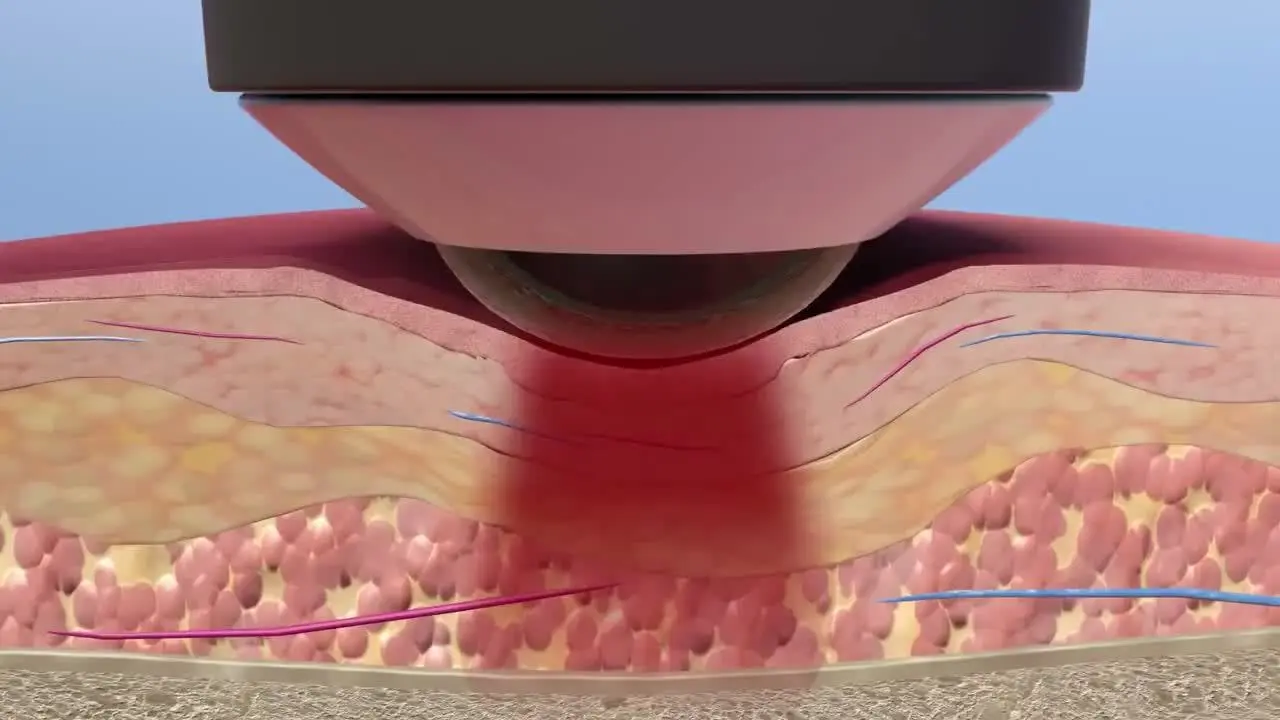
3 Laser-Tissue Interactions ExplainedLasers are powerful tools that are increasingly being used for a growing number of medical applications. Lasers are used every day to remove unwanted tattoos, make incisions during surgeries, and treat aches and pains. Each of these applications works because of one of three types of laser-tissue interactions: photothermal, photomechanical, or photochemical. PhotothermalLasers that produce a photothermal effect use prolonged energy exposure to facilitate an increase in chromophore temperature, which in turn leads to cellular vaporization. This type of laser-tissue interaction is what occurs during surgical and hair removal laser use. PhotomechanicalLasers relying on photomechanical effects use shorter pulses of power and thermal expansion to create acoustic waves. These waves then break up the target material into smaller particles, making it useful for applications such as tattoo removal and photo refractive keratectomy. PhotochemicalLasers using photochemical effects do not destroy or break up tissue. Light that interacts with tissue in a photochemical manner is absorbed into the chromophores and precipitates a biological cascade of events that promotes pain relief and inflammation reduction. Photochemical laser-tissue interactions are operative in therapy applications, such as Deep Tissue Laser Therapy® and photodynamic therapy. Want to learn more about photochemical reactions? Check out this medical animation:

Blog post
4 Laser Therapy Dosing BasicsDosing is the fundamental parameter that determines if a treatment has a clinical impact – or not. When a doctor prescribes medicine, the specific condition and size/weight of a patient will affect the dosage. Similarly, the dosage for laser therapy depends on the condition and size/weight of a patient. Treatment dose in the application of laser therapy is very important to ensure that the patient will receive adequate therapeutic results. Image An infant would not take the same amount of ibuprofen as his mother – the same principle applies in laser therapy. 2 Important Parameters for Calculating Laser Therapy Dose: 1. The Size of the Area to TreatTreatment Area (cm2) = length (cm) x width (cm) 2. The Target DosageTypical dosages range from 6-12 joules per square centimeter. To determine how much energy you want to deliver, take the treatment area that you calculated and multiply it by the target dosage. Total Energy = Target Dosage (J/cm2) x Treatment Area (cm2) Real-Life Dosing Example: I want to treat a 10 cm by 10 cm area with 10 joules/cm2. To calculate my total joules required to deliver the appropriate dosage, I will first calculate treatment area: Treatment Area (cm2) = length (cm) x width (cm)100 cm2 = 10 cm x 10 cm Using my treatment area of 100 cm2 and my target dose of 10 J/cm2, I can now calculate my total energy required to dose this condition: Total Energy = target dosage (J/cm2) x area (cm2)1000 J = 10 J/cm2 x 100 cm2 Therefore, to deliver a therapeutic dose, I want to deliver 1,000 joules to the 100 cm2 area. How Long Would It Take To Deliver that 1,000 Joules in Continuous Wave? How long would it take to deliver 1,000 joules in continuous wave? Delivering doses in relevant treatment times is the key to why many clinics are moving to high-powered lasers. To calculate the treatment time we will use the following formula: Treatment Time (s) = Total Energy Delivered (J)/ Average Output Power (W) Treatment Time with a 10 watt Laser100 seconds (1 minute and 40 seconds) = 1,000 J/ 10 W Treatment Time with a 5 watt Laser200 seconds (3 minutes and 20 seconds) = 1,000 J/ 5 W Treatment Time with a 500 milliwatt Laser2,000 seconds (33 minutes and 20 seconds) = 1,000 J/ 0.5 W Treatment Time with a 5 milliwatt Laser200,000 seconds (55 hours 33 minutes and 20 seconds) = 1,000 J/ 0.005 W Image As you can now see – laser therapy dosing is a simple mathematical equation taking into consideration target dosage, expressed in J/cm2, and the size of the area being treated, expressed in cm2. The power output of your therapy laser determines the treatment time required to get the number of total joules into the treatment area. Read More Blog Posts
Blog post
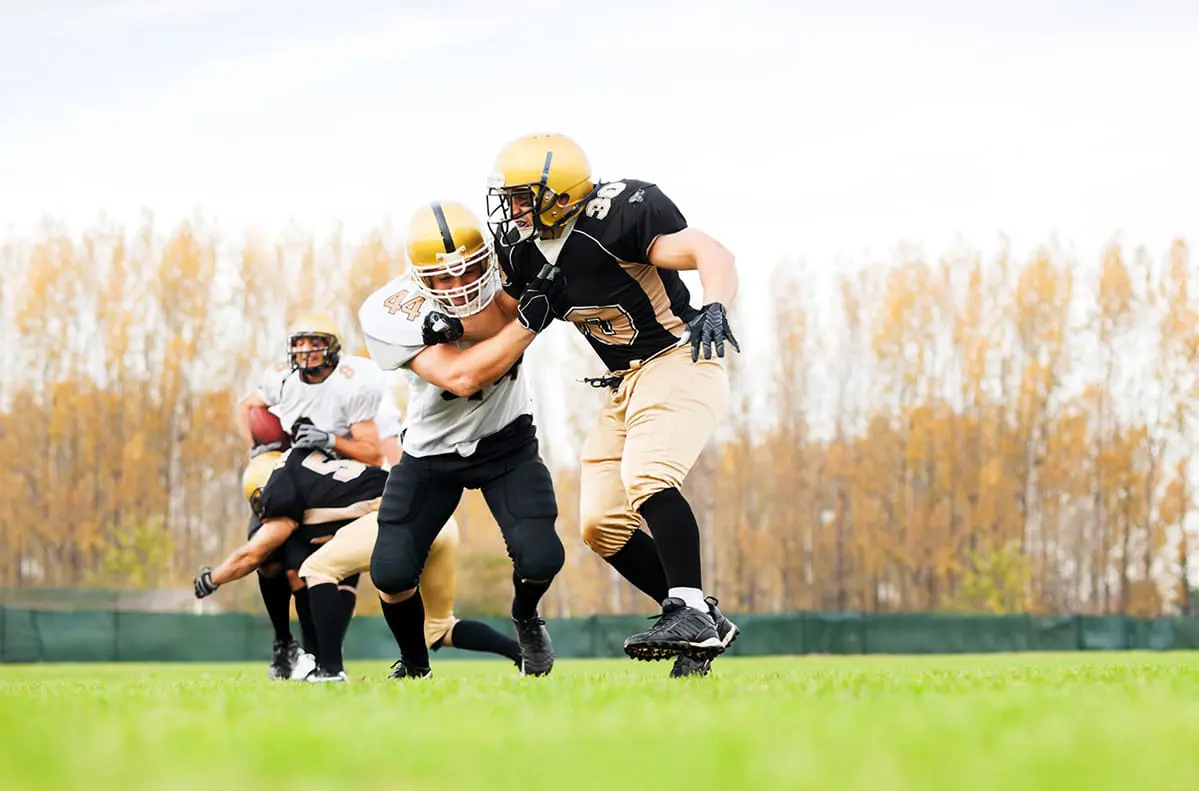
Score a Touchdown this Football Season with Laser TherapyGuest Blog by Dr. Perry Nickelston Football players experience a high number of musculoskeletal injuries throughout the season. Treatment methods may vary depending on the injury, but one modality that is increasingly gaining favor with professional and collegiate football teams for treatment of musculoskeletal injuries is Class IV Laser Therapy. Here are some common football-related injuries that get great results with laser therapy to help get athletes (amateur, collegiate, and pro alike) back out on the field faster: Ankle Sprain/StrainLaser therapy is effective for fast reduction of inflammation associated with this common injury. The use of lasers for pain reduction is becoming a standard of care in football training rooms across the country. Acute ankle sprains are painful in large part due to the amount of inflammation, so the sooner you can apply the laser after injury, the better. Treatment Recommendation: Treat 1-2 times daily for three days with roughly 5 J/cm2 at 6-7 W (for a total of 1000 J). Then treat every other day for 3-6 sessions, with 8-10 J/cm2 at 9-10 W (for a total of 2,000 J), expanding treatment area around the ankle.* Torn HamstringsHigh hamstring injuries are prevalent in this sport — occurring most often when an athlete is running. When the muscle tears, immediate pain and eventual bruising occur. Laser therapy helps stimulate torn tissue and reduces the amount of bruising. Treatment Recommendation: Treat 1-2 times daily for three days with 6-7 J/cm2 at 8-9 W (for a total of 2,500 J). Then treat daily for 4 sessions with 8-10 J/cm2 at 12 W (for a total of 3,500 J). Finally, treat every other day for 3 sessions with the same dose. Shoulder TendinitisRepetitive slow-onset injuries such as tendinitis respond well to laser therapy. Inflammation and swelling in the tendon cause sharp pain with movement, eventually leading to disuse. Laser therapy helps reduce pain, allowing for more movement and faster recovery. Treatment Recommendation: Go for a total of 6-10 sessions with 8-10 J/cm2 at 8-10 W (for a total of 3000 J). Treat daily for first 3 days, then every other day for 3- 6 sessions. Turf ToeToe injuries are difficult to recover from because every standing movement affects the joint. Turf toe is notorious for being painful and stubborn to treat. Laser therapy applied to the toe increases blood circulation and joint range of motion, helping increase pain-free movement. Treatment Recommendation: Direct treatment on the toe: 200 J at 4-5 W, for a total of 6 treatments. Treat twice a day for the first three days, then every other day. Treatment on the muscles of the big toe: 1,000 J for flexor, 1,000 J for extensor, and 1,000 J for the bottom of the foot, all at 9-10 W. Treat twice a day for the first three days, then every other day. Meniscus Injury (Medial and Lateral)Knee injuries can be career ending. They are extremely painful and debilitating — I know because I’ve had one. Reducing swelling and inflammation is paramount to ensure the knee does not lock. Deep Tissue Laser Therapy delivers therapeutic light energy to the inner knee, helping to reduce pain and swelling. Treatment Recommendation: Treat meniscus directly 1-2 times daily for 3 days, with 6-7 J/cm2 at 9-10 W (for a total of 700 J). Then treat both the meniscus and surrounding areas every other day with 8-10 J/cm2 at 9-10 W for 4-6 sessions (1,000 J over meniscus and another 2,000 J in knee, calf and thigh).**MVP Tip: One of the benefits of using higher-powered Class IV laser therapy is being able to treat surrounding areas quickly and effectively, promoting more comprehensive recovery. If you’re looking for a new way to tackle pain and inflammation related to many common injuries, you may want to consider adding laser therapy equipment to your line-up. Read More Blog Posts
Blog post
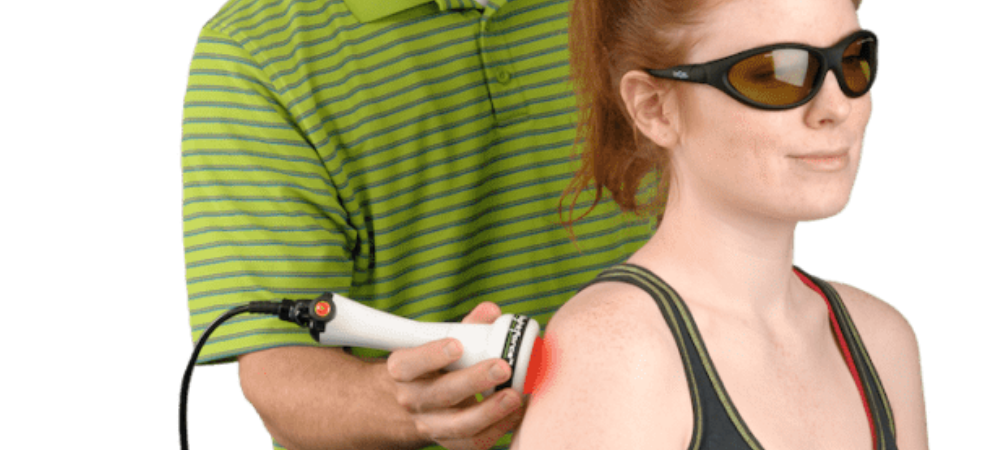
More Power – More Reasons to Look at Laser TherapyTop 10 countdown supporting the addition of Deep Tissue Laser Therapy. 10. Get FAST Results: Reduction of pain and inflammation begins as soon as the laser light enters the body, so relief often begins with the first treatment. High power kicks off these processes more efficiently and effectively – a real winner for those suffering from chronic pain. 9. Treat Larger Areas: Expand your area of interest and don’t spend all day treating. With more power, treating large body areas can be easy without compromising dose. 8. Treat Multiple Areas: Managing referred pain can be a challenge. Not only treat larger areas, but also treat in multiple locations around the body. Go beyond that of low-level laser and treat multiple referring pain sites and get a better outcome! 7. Achieve Chronic Pain Relief: Bumping up the power density can get you results in the most challenging patient. Where other methods have failed, treat deep into tissue and make a difference with chronic pain. 6. Increase Compliance: Deep Tissue Laser Therapy is now faster than ever. Add a fast, effective treatment that will make a difference in outcomes. Set goals high and drive compliance with this unique technology. 5. Feel the Difference: Patients feel the difference immediately. They get more of the soothing warmth that they enjoy, and when they get off the table they feel great because they know it did something – they felt it. 4. Experience Versatility: It’s not all about treating everything with 25 Watts – so use the power when you need it, or turn it down for more acute or superficial conditions. You have the “power” to decide and the laser you need to optimize every treatment. 3. Deliver Higher Dosages: Some cases just require you to bring out the “big guns.” Some patients are in really poor shape and are experiencing excruciating pain. With these cases, the trend has been to treat with higher doses. With higher-power lasers, you can deliver higher doses in a short period of time and still know that there are limited risks of overtreating. 2. Increase Practice Traffic: Referrals are typically a huge source for new patients. High-power laser allows you to maximize each visit and realize better outcomes. Patients are happy and impressed with their experience. They are far more inclined to recommend you. 1. Get the “Wow” Factor: Experience the “homerun” outcome more frequently. Deep Tissue Laser Therapy has the power to make believers of everyone…patients and practitioners included. “Wow!” Read More Blog Posts

Blog post
3 Reasons Laser Therapy Scores Big with Soccer PlayersWhether you’re a world-class athlete or someone who just enjoys a pick-up game of soccer with friends, you need to keep yourself healthy to stay in the game. Laser therapy is becoming increasing popular as a preferred treatment method for soccer players worldwide to help reduce pain and inflammation and get players off the bench and back out onto the field. Here are 3 common soccer-related injuries that laser therapy works wonders on: Hip AdductorThe hip adductor can be a difficult area to treat and many soccer players experience hip pain from the rigors of full-speed game play. The hip is a large area, with deeply located structures that cause pain. Treating injuries with deep tissue laser therapy is ideal because of its ability to deliver a large dosage at depth to these deep injuries. Try on-contact massage delivery techniques for optimal results. HamstringAs seen in the World Cup this year, hamstring injuries are exceedingly common in soccer. These injuries can be extremely painful and keep a player out of the game for an extended period of time. There is an alternative to ice and massage for hamstrings – laser! Using the massage ball attachment head, decreased inflammation and pain can be quickly achieved. The laser penetrates deeply into the tissue and increases microcirculation to bring oxygen, vital sugars, proteins and salts to the affected area, all while the athlete enjoys a warm massage sensation. Shin SplintsShin splints are another common and painful injury for soccer players. Sudden increase in activity and overuse can cause the lower leg muscles to improperly handle shock, thus causing the tibia to overcompensate, leading to pain and inflammation of the surrounding areas. While rest is advisable, laser therapy should be considered to assist the body in its natural healing process, and make the athlete more comfortable during that process. A couple of quick laser treatments will help to reduce the associated pain and inflammation and increase blood flow to the area, allowing the athlete to recover more quickly. Also remember that due to the painful nature of shin splints, an off-contact treatment method should be used to maximize patient comfort. If you haven’t considered using laser therapy to help keep soccer players in the game, you’re missing a chance to score big with reduced recovery times and happier patients! Read More Blog Posts
Blog post
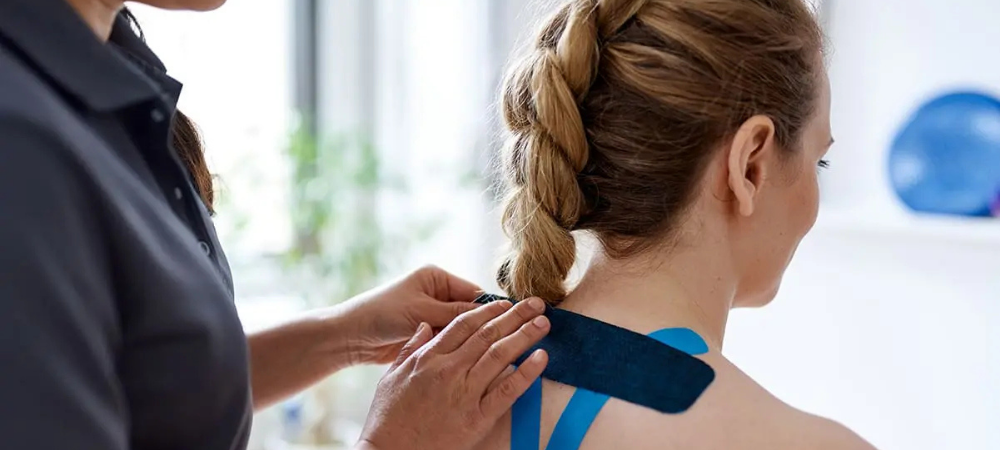
3 Treatment Methods that Work Great with Laser TherapyWhen patients are in pain there are many modalities and treatment techniques that can provide answers. Class IV laser therapy can be a great partner with many other pain relief techniques, here are three complimentary treatments you might not have considered… Kinesio TapingKinesio taping has many benefits that make it an ideal complement to Deep Tissue Laser Therapy®. By lifting the epidermis from the fascia, taping allows for increased blood and fluid flow, and in cases of swelling, helps to reduce inflammation and pain. Treating with LightForce® therapy lasers, both before and after kinesio taping, helps to enhance these properties. While the laser should not be used directly over the tape because the fabric will diminish penetration, it may be used on surrounding areas. The tape gives the patient the security they need to move with confidence and the laser provides the muscle loosening effect they need to perform these movements with comfort. Graston®The Graston Technique relies on manual manipulation with metal instruments to detect and break up scar tissue and adhesions. After manual manipulation, there can be some temporary inflammation, and deep tissue laser therapy is effective to use before and after to help reduce any resulting inflammation. Class IV laser therapy also increases blood flow to the treated areas, bringing essential nutrients to help the chemically damaged tissue normalize. Spinal DecompressionSpinal decompression is used to help relieve pressure on intervertebral discs, thereby alleviating associated pain and increasing nutrition flow to the discs, allowing them to begin healing. Combining spinal decompression with deep tissue laser therapy helps to further reduce pain, increase circulation, and reduce inflammation. Laser therapy is often administered before and after decompression sessions for optimal results. Read More Blog Posts
Blog post
Trigger Points and Deep Tissue Laser TherapyWhat is a trigger point? In simple terms it is a muscle knot that can wreak havoc on your body by referring pain, weakening muscles, and causing dysfunctional movement patterns. Trigger points are hyper-irritable spots located in a taut band of skeletal muscle and often accompany chronic musculoskeletal disorders. Acute trauma such as slips and falls or repetitive micro-trauma from poor posture may lead to the formation of trigger points. Why does movement matter? When you don’t move well, your body begins to compensate trying to correct itself so you don’t get hurt. Unfortunately, it does so at your body’s expense in the long run. Muscles weaken, while others tighten and get stiff, joints lock up becoming less mobile and you lose stability (body control). This is the start of the so called chain of pain! Trigger points are very elusive. They are rarely if ever located at the site of pain! The SITE of pain is not the same as the SOURCE of pain. He who chases the site of pain is forever lost! Learning common pain patterns from trigger points will become a vital part of your understanding of how to conquering them. There are different types of trigger points, however they all cause problems. You might not ever discover what sets off a trigger point. It can be anything. And it’s usually the simplest of actions that can fire them up; ‘I don’t know what happened, I just turned and then I had pain!’ ‘I was bending over to tie my shoe and my back went out.’ ‘All of a sudden my shoulder started to hurt when I was lifting.’ Common stories that happen every day to real people. So what are the types of points? ACTIVE…they are actively and currently causing pain. LATENT…these are the dormant sleepers causing dysfunction to muscle, joint and movement, but have not yet fired up their pain zones. You don’t know they are there until you find the spot and apply pressure….PAIN. SATELLITE…these points form in reaction to other points. These develop in the pain referral zone of the active or latent points. It’s the classic domino effect. Trigger points are often treated with acupressure, dry needling, trigger point injections via medication and modalities like ultrasound or muscle stimulation. Deep tissue laser therapy is another effective modality in reducing the pain associated with myofascial trigger points. Laser therapy stimulates a cascade of pain relieving chemical regeneration properties in the area affected by the trigger point. Just a few minutes of laser therapy applied to a trigger point may cause immediate reduction in pain. Laser therapy excites the kinetic energy within cells by transmitting healing energy known as photons. The skin absorbs these photons via a photo-chemical effect, not photo-thermal; therefore it does not cause heat damage to the tissues. As such, laser can be safely used on patients who have metal joint replacements without the risk of injury. Laser light does not excite or interact with the molecules in metal or plastic. Once photons reach the cells of the body, they promote a cascade of cellular activities. They can ignite the production of enzymes, stimulate mitochondria, increase vasodilatation and lymphatic drainage, synthesize ATP and elevate collagen formation substances to prevent scar formation. This is a critical step in reducing long-term disabling chronic myofascial pain syndromes and joint restrictions. Example of deep tissue laser therapy on a trigger point for elbow pain. Tennis elbow (lateral elbow pain) can be very painful and is often difficult to treat. However, a primary trigger point that often refers pain to the elbow mimicking this condition is the supraspinatus rotator cuff muscle of the shoulder. It is often overlooked as a symptom contributor to the elbow pain. Applying 3-4 sessions of laser therapy over the supraspinatus as well as the elbow may lead to a reduction elbow pain. Image Picture Courtesy of Travell and Simons Myofascial Pain and Dysfunction Search for information via the internet on trigger points and you will find many resources and pictures of the referral zones. Seek out a healthcare professional utilizing LightForce Deep Tissue Laser therapy and discover the difference for yourself.