

Total Items
0
0 Item(s)


Blog post
Shoot For a Birdie, Not a Bogie—Use Class IV Laser for Golf InjuriesWhy do professional golfers like Padraig Harrington, Henrik Stenson, Francesco Molinari, and David Howell use Class IV therapy lasers? Because when they experience an injury they have to get back in the game – fast. Epicondylitis is a common injury among golfers. Class IV laser therapy is an effective treatment option because of its ability to reduce pain and inflammation, which means it not only addresses the symptoms of the condition, but also the cause. Which laser is best to treat this common golf injury? The recommended dose for epicondylitis (for a person of average build and medium skin tone) is 3600 J. The time required to achieve this dose depends on the power of the laser being used. So, for a laser operating at 10 watts, this dosage would take 6 minutes to deliver. However, for a laser that operates at 1 watt, this same dosage would take 1 hour to deliver. Also take into consideration that treating areas other than the elbow, such as the wrist, forearm, and bicep help provide a more comprehensive treatment. This is where relevant treatment times come into play. If treatments are roughly 6 minutes each, this is easy to do, but when treatments are around an hour, treating multiple areas, or larger areas, is impractical. Golfers, whether they’re professional or amateur, want to spend as much time on the course and as little time recovering from injuries as possible. Higher-powered lasers can help achieve amazing results in record times, and get golfers back out onto the green sooner. Read More Blog Posts

Blog post
How to Talk About Laser Therapy (So People Understand It)For those of us who don’t have a PhD in laser physics, the terminology and science of therapy lasers can be overwhelming. By focusing on a couple of key concepts and definitions, however, anyone can learn how to talk about laser therapy like a pro. L-A-S-E-RThe word laser is an acronym that stands for “Light Amplification by Stimulated Emission of Radiation.” There are 3 properties that make laser light unique: monochromatism, coherence, and collimation. These properties are in part what makes laser light suitable for therapy purposes. Monochromatism is an especially important feature of lasers because it has to do with the color, or in other words, the wavelength of the laser. Different wavelengths are absorbed at varying levels by different structures and fluids in the body. Certain wavelengths are optimal for minimizing absorption into superficial structures while maximizing absorption into target tissues.Photobio-what?One of the most important words related to laser therapy is “photobiomodulation.” The easiest way to define this term is to look at its components. “Photo” refers to light, “bio” refers to life, and “modulation” indicates a change of some sort. So, when you read that the primary mechanism of laser therapy is photobiomodulation, this means that light energy is used to produce changes in living organisms.Joules and WattsJoules and watts are key components for determining a therapeutic dose. Dose is calculated by establishing target joules/cm2 that you want to deliver to a designated area of the body.Laser therapy dosing is measured in joules/cm2. One watt is equal to 1 joule/second. So, if a therapy laser has 15 W of power, and the treatment is 1 minute long, that’s a total of 900 J delivered. To determine total dosage, you need to know the size of the area being treated. If you are treating an area 10 cm x 10 cm (or 100 cm2) for a total of 1 minute at 15 W, then your total dose is 9 J/cm2. To become even more versed in laser therapy lingo and see photobiomodulation in action, watch this animation: Read More Blog Posts

Blog post
The Power of Prudence—Lasers Provide an Answer to Injury PreventionThe majority of discussion around injury relates to treatment post occurrence. But what about preventing injury before it even happens? There is certainly no way to prevent all injury, but laser therapy could be one way to promote injury prevention. Class IV therapy lasers are being widely used in professional and collegiate sports as a warm up tool. Laser therapy increases blood flow to treated areas, which athletes and trainers both appreciate during warm-up. Laser before activity can be administered either in conjunction with traditional warm-up exercises, or in place of higher impact exercise. Laser is also a good pre-event warm-up for damaged tissue. Laser therapy reduces inflammation. Most athletes have a base level of inflammation and many also have pre-existing conditions. Using laser therapy before competition and training helps athletes perform at their peak more quickly and reduces struggles with limited range of motion and pain. To maximize injury prevention, laser therapy can also be used with other popular techniques such as kinesiotaping. Watch this instructional video to learn how to maximize results by combining these 2 techniques: Read More Blog Posts
Blog post
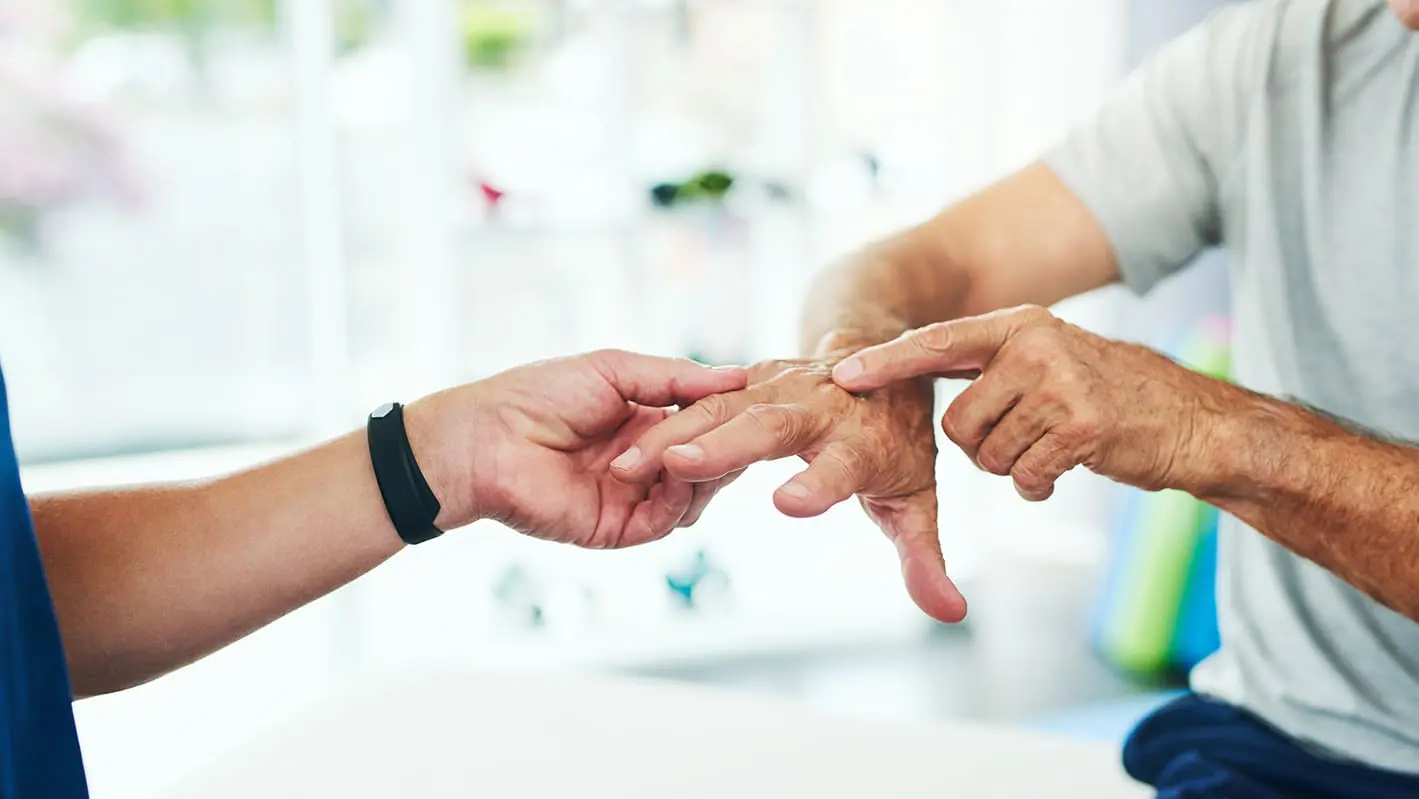
Cold Weather Worsening Arthritic Pain? Laser Therapy May Be The AnswerIt’s the season for sweaters and hot chocolate – and unfortunately for some, worsening of pain associated with arthritis. Many of those who suffer from chronic arthritis pain report worsening arthritis symptoms in the colder months of the year. If you are one of the many experiencing a spike in pain without a solution, class IV laser therapy can provide answers. Class IV laser therapy treatments are fast (typically lasting 5 – 7 minutes) and effective at relieving pain associated with many chronic conditions – including arthritis. The soothing warmth that comes with treatments offers in many cases an almost immediate relief of symptoms. Typically after 4 treatments you will notice significant improvement. Many treat their arthritic symptoms by taking harsh prescription drugs – some of which have serious side effects. Laser therapy can be used to effectively manage your condition (without side effects) and often enables patients to reduce or eliminate their intake of drugs to manage pain. If you are looking for a new solution to seasonal aches and pains check us out on the web to learn more about our products and/or to find a LightForce® Therapy Laser provider in your area. Read More Blog Posts
Blog post
The Value of Your Time: Using Class IV Therapy Lasers to Maximize EfficiencyYour time is valuable – and providing your patients with the best care in the most efficient amount of time is a priority. Class IV therapy lasers are a great resource to maximize the time you spend with your patients. Class IV therapy laser equipment enables you to deliver more Joules to a larger area of target tissue in a shorter period of time: ultimately resulting in positive, consistent, clinical results. Higher power and the ability to deliver treatment in continuous wave give the clinician the flexibility to deliver the therapeutic dose of energy in less time than with other lower powered devices. Class IV laser therapy is often able to provide pain-free relief to patients suffering from painful conditions. Flexibility of treatment delivery gives the clinician the power to deliver therapy in either contact or non-contact mode to maximize results based on the presenting condition. Provide your patients with a quick solution to their pain while maximizing the time you spend in the clinic with Class IV laser therapy. Read More Blog Posts
Blog post
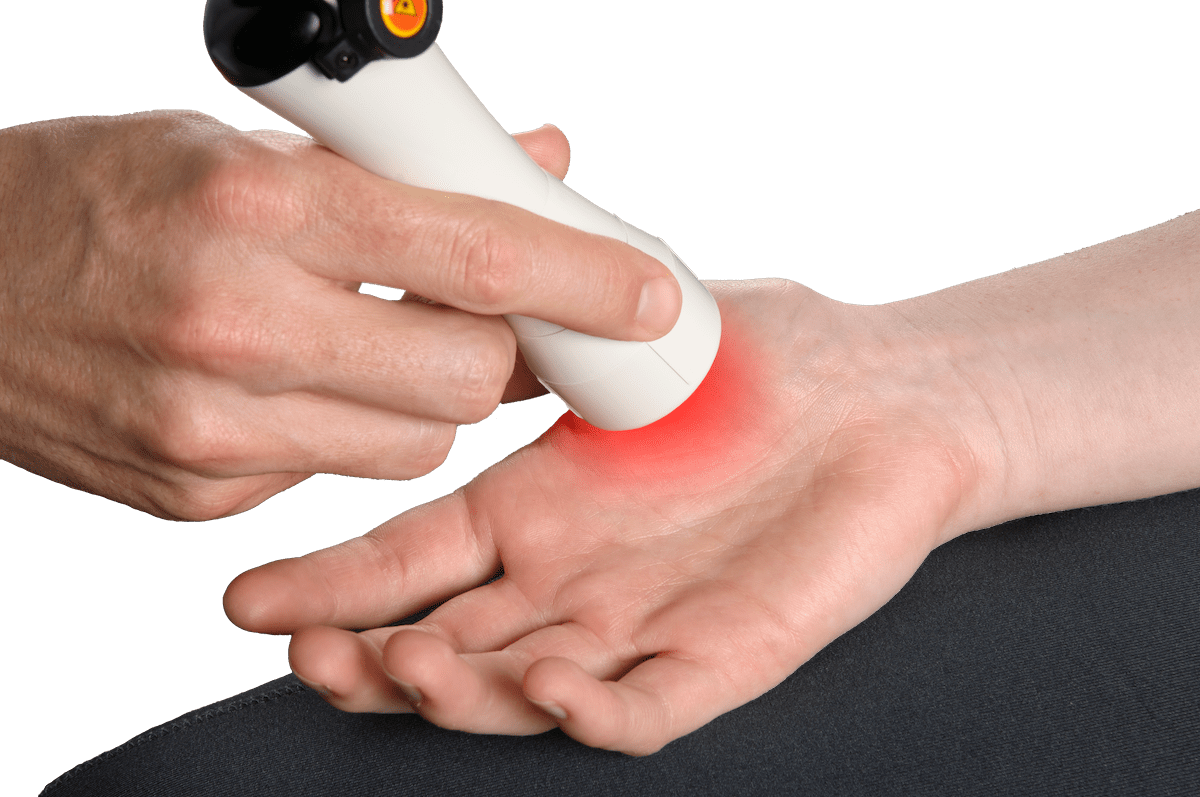
The Difference Between Class III and Class IV LasersThere is a lot of discussion about different classes of therapy lasers. What’s the difference? Understand these key differences before you invest in your own laser therapy equipment. What do the classifications actually mean?Class IIIb: IIIb lasers are hazardous to the eye when viewed directly. For visible and infrared devices emission power is limited to 0.5 W. Protective eyewear, key switch and safety interlock are required safety features.Class IV: Class IV includes all lasers that emit power in excess of IIIB limitations. Eye protection is needed to limit both direct and diffuse reflected exposure. Key switch and safety interlock are also required safety features. The majority of scientific, industrial, military, and medical lasers fall into this category. Power: Class IIIb lasers are limited to powers of 0.5 watts and under, Class IV therapy lasers typically enable the user to select powers of 0.5 W – 15 W. Increased power enables the clinician to treat a larger area in a shorter period of time – ultimately resulting in a therapeutic dose of joules to the target tissue. Treatment Strategies: Due to their power difference treatment strategies are different for Class IIIb lasers vs. Class IV therapy lasers. Class IIIb lasers often treat a group of small points and are held in one place for the duration of the point treatment. When treating with a Class IV therapy laser the clinician treats a much larger area, i.e. 300 cm2 for a lower back; the treatment head is moved throughout the duration of the treatment to ensure a therapeutic energy is being delivered evenly to the entire area. Class IV laser therapy can also be administered through a series of contact and non-contact handpiece attachments. Dosing Strategies: Class IIIb lasers deliver a smaller dose of joules to a smaller area of tissue. Typically treatments are confined to discrete points. A potential weakness of this technique is the variability of clinical results due to the exact placement of the treatment points. The foundation of Class IV laser therapy is based on the delivery of a therapeutic dose of joules to a large area of target tissue, reducing variability in outcomes. For example on a lower back a Class IV therapy laser would treat at 10 joules/ cm2, in a 10 minute treatment session of 10 watts in continuous wave 6,000 joules of energy would be delivered to the target tissue. It would take a 0.5 watt Class IIIb laser 200 minutes to deliver the same dose. Wavelength: Different therapeutic lasers often come equipped with different treatment wavelengths ranging from 700 nm to 980 nm. All wavelengths in this therapeutic window target the same photo-active chromophores. The main difference between wavelengths is the absorption of the light by tissue components such as water and melanin. A device with a adjustable wavelengths allows you to adjust for the individual absorption characteristics of your patient. Read More Blog Posts