

Total Items
0
0 Item(s)


Studies
Evaluation of the Efficacy of Different Treatment Modalities for Painful Temporomandibular DisordersThe purpose of this study was to clinically evaluate the efficacies of three treatment methods and to compare their outcomes in patients with painful disc displacement. The study group comprised 45 patients with unilateral temporomandibular disorders who fell into Axis I group II (with limited mouth opening) of the Research Diagnostic Criteria for Temporomandibular Disorders. Magnetic resonance imaging was used for definitive diagnosis. The patients were divided randomly into three groups according to the treatment method: splint therapy, splint therapy with ultrasound-guided arthrocentesis, and splint therapy with low-level laser therapy. Patients were followed up after treatment for 6 months. The groups were compared in terms of pain and functional jaw movements (unassisted mouth opening without pain, maximum unassisted mouth opening, and contralateral movements).

Studies
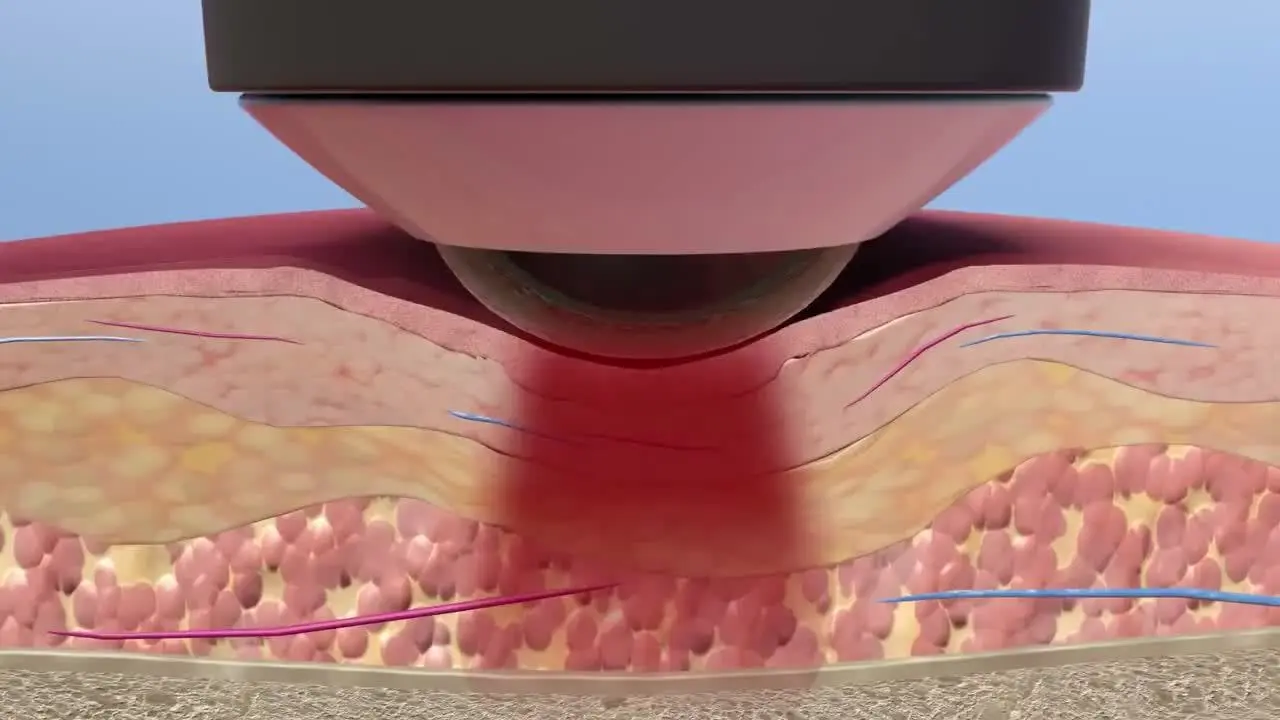
Review of Literature on Low-level Laser Therapy Benefits for Nonpharmacological Pain Control in Chronic Pain and Osteoarthritis“Low-level laser therapy (LLLT) is a form of light therapy that triggers biochemical changes within cells. Photons are absorbed by cellular photoreceptors, triggering chemical alterations and potential biochemical benefits to the human body. LLLT has been used in pain management for years and is also known as cold laser therapy, which uses low-frequency continuous laser of typically 600 to 1000 nm wavelength for pain reduction and healing stimulation. Many studies have demonstrated analgesic and anti-inflammatory effects provided by photobiomodulation in both experimental and clinical trials.” Download
Studies
A Randomized Blind Placebo-Controlled Trial Investigating the Effects of Photobiomodulation Therapy (PBMT) on Canine Elbow Osteoarthritis“The effect of photobiomodulation therapy (PBMT) or sham light therapy on pain, nonsteroidal anti-inflammatory drug (NSAID) requirement, and lameness was studied in 20 dogs with naturally occurring elbow osteoarthritis. Dogs (n = 20) were randomly assigned to receive either PBMT (group PBMT; n = 11) 10 to 20 J/cm2 or a placebo treatment (sham light group S; n = 9) treatment 0 J/cm2, to both elbows for 6 weeks. Lameness score, pain score, and NSAID dose were recorded by blinded study personnel before and 7 to 10 days after last treatment. Reduction in NSAID dose occurred in 9/11 dogs in the PBMT group, and in 0/9 of group S dogs (P = 0.0003). There was greater improvement in lameness score post PMBT versus S therapy (P = 0.001). A greater reduction in pain score was detected in 9/11 parameters in group PBMT (P < 0.05). Regularly scheduled PBMT at 10 to 20 J/cm2 per joint for 6 weeks was successful in improving lameness and pain scores, and in lowering NSAID requirement in canine elbow osteoarthritis patients.” Download

Studies
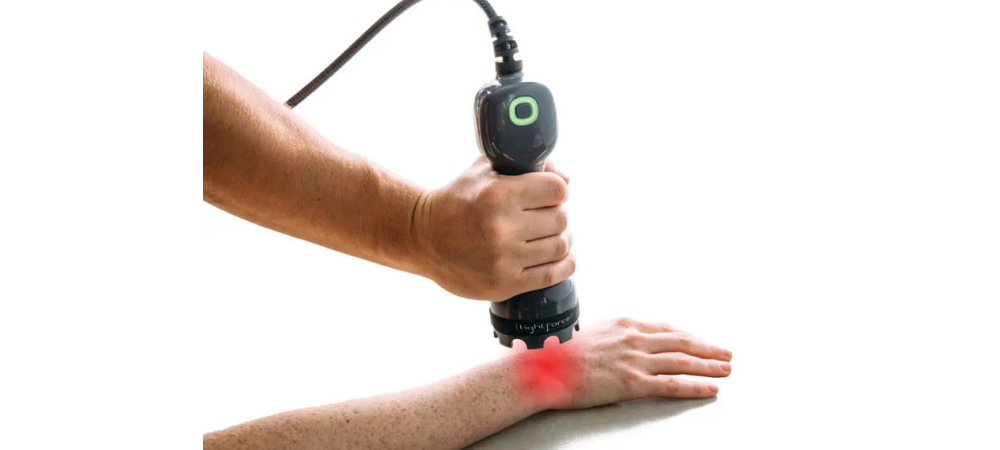
Noninvasive Treatments for Acute, Subacute, and Chronic Low Back Pain: A Clinical Practice Guideline From the American College of PhysiciansThe American College of Physicians (ACP) developed this guideline to present the evidence and provide clinical recommendations on noninvasive treatment of low back pain. Using the ACP grading system, the committee based these recommendations on a systematic review of randomized, controlled trials and systematic reviews published through April 2015 on noninvasive pharmacologic and nonpharmacologic treatments for low back pain.
Studies
Low Level Laser Therapy (Classes I, II and III) for Treating Rheumatoid ArthritisRheumatoid arthritis (RA) affects a large proportion of the population. Low Level Laser Therapy (LLLT) was introduced as an alternative non‐invasive treatment for RA about ten years ago. LLLT is a light source that generates extremely pure light, of a single wavelength. The effect is not thermal, but rather related to photochemical reactions in the cells. The effectiveness of LLLT for rheumatoid arthritis is still controversial. This review is an update of the original review published in October 1998. Download
Studies
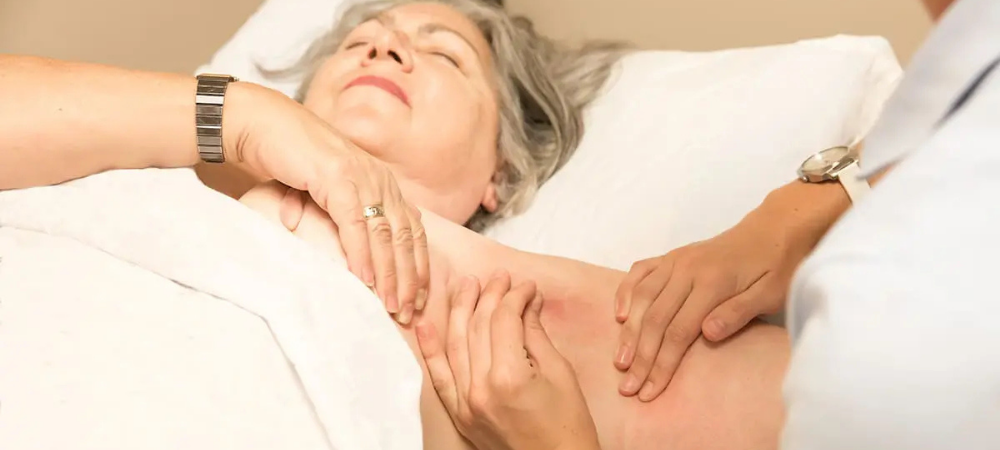
In Vitro Study on the Safety of Near Infrared Laser Therapy in its Potential Application as Postmastectomy Lymphedema TreatmentClinical studies demonstrated the effectiveness of laser therapy in the management of postmastectomy lymphedema, a discomforting disease that can arise after surgery/radiotherapy and gets progressively worse and chronic. However, safety issues restrict the possibility to treat cancer patients with laser therapy, since the effects of laser radiation on cancer cell behavior are not completely known and the possibility of activating postmastectomy residual cancer cells must be considered. This paper reports the results of an in vitro study aimed to investigate the effect of a class IV, dual-wavelength (808 nm and 905 nm), NIR laser system on the behavior of two human breast adenocarcinoma cell lines (namely, MCF7 and MDA-MB361 cell lines), using human dermal fibroblasts as normal control. Cell viability, proliferation, apoptosis, cell cycle and ability to form colonies were analyzed in order to perform a cell-based safety testing of the laser treatment in view of its potential application in the management of postmastectomy lymphedema. The results showed that, limited to the laser source, treatment conditions and experimental models used, laser radiation did not significantly affect the behavior of human breast adenocarcinoma cells, including their clonogenic efficiency. Although these results do not show any significant laser-induced modification of cancer cell behavior, further studies are needed to assess the possibility of safely applying NIR laser therapy for the management of postmastectomy lymphedema. Download
Studies
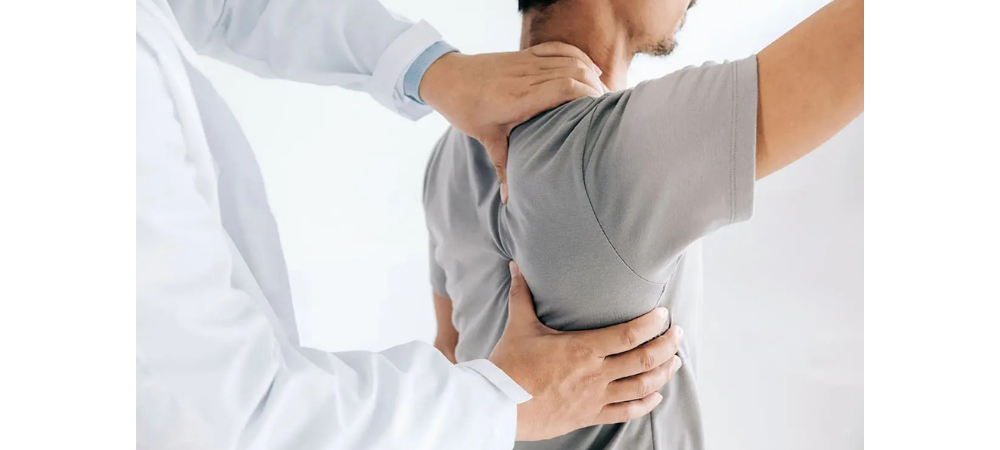
Long-Term Effect of Pulsed Nd:YAG Laser in the Treatment of Patients with Rotator Cuff Tendinopathy: A Randomized Controlled TrialObjective: The purpose of the present study was to investigate the long-term effect of pulsed Nd:YAG laser on the treatment of rotator cuff tendinopathy. Methods: Sixty patients with rotator cuff tendinopathy participated and completed the study. The mean age was 50.2 ± 3.6 years. Participants were randomly assigned to one of two groups: the control group and the treatment group. Both groups were treated with an exercise program, in addition to the pulsed Nd:YAG laser received by the treatment group and the “sham” laser received by the control group, both for three sessions per week for 4 weeks. Outcome measures included pain, assessed by the visual analog scale, and range of motion (ROM), assessed using a traditional goniometer, while the shoulder pain and disability index were used to evaluate the functional recovery of the shoulder joint. Evaluation was carried out before treatment, immediately after treatment, 3 months posttreatment, and 6 months posttreatment. Statistical analyses were used to investigate the effect of interventions and to compare the study groups’ pretreatment, posttreatment, and at follow-up points. The significance level was set to p < 0.05. Results: Pain was significantly decreased after treatment and at follow-up points, while ROM and shoulder functions were significantly improved after treatment and at follow-up intervals in both groups. The improvement was more significant in the treatment group than in the control group posttreatment and at follow-up intervals. Conclusions: Pulsed Nd:YAG laser combined with an exercise program seems to be more effective in the treatment of patients with rotator cuff tendinopathy than a sham laser with exercises. Download

Studies
Neck Pain: Clinical Practice Guidelines Revision 2017The Orthopaedic Section of the American Physical Therapy Association (APTA) has an ongoing effort to create evidence-based practice guidelines for orthopaedic physical therapy management of patients with musculoskeletal impairments described in the World Health Organization’s International Classification of Functioning, Disability, and Health (ICF). The purpose of these revised clinical practice guidelines is to review recent peer-reviewed literature and make recommendations related to neck pain. Download

Studies
The Effect of High-Intensity Versus Low-Level Laser Therapy in the Management of Plantar Fasciitis: A Randomized Clinical TrialWe aimed to compare the efficacy of low-level laser therapy (LLLT) and high-intensity laser therapy (HILT) in the treatment of plantar fasciitis (PF). Seventy patients were randomized into either the LLLT (8 men, 27 women; mean age 48.65 ± 10.81 years) or HILT (7 men, 28 women; mean age 48.73 ± 11.41 years) groups. LLLT (904 nm) and HILT (1064 nm) were performed three times per week, over a period of 3 weeks. Each treatment combined with silicone insole and stretching exercises. Patients’ pain and functional status were evaluated with Visual Analog Scale, Heel Tenderness Index, and Foot and Ankle Outcome Score before and after treatment. A chi-square test was performed to compare demographic and clinical characteristics. Within-group and between-group differences were also investigated. Paired samples t test was used to analyze the differences between baseline and after treatment values, while independent samples t test was used to compare the two groups. Both groups contained similar demographic characteristics including age, sex, and body mass index (all p > 0.05). Three and two patients in the HILT and LLLT group, respectively, were lost to follow-up. At the study onset, there were no statistically significant differences between the two groups in the Visual Analog Scale, Heel Tenderness Index, and Foot And Ankle Outcome Scores. Three weeks later, both groups showed significant improvement in all parameters (p < 0.05). The HILT group demonstrated better improvement in all parameters than the LLLT group. Although both treatments improved the pain levels, function, and quality of life in patients with PF, HILT had a more significant effect than LLLT. Download

Studies
Electrotherapy Modalities for Adhesive Capsulitis (Frozen Shoulder)Adhesive capsulitis (also termed frozen shoulder) is a common condition characterized by spontaneous onset of pain, progressive restriction of movement of the shoulder and disability that restricts activities of daily living, work and leisure. Electrotherapy modalities, which aim to reduce pain and improve function via an increase in energy (electrical, sound, light, thermal) into the body, are often delivered as components of a physical therapy intervention. This review is one in a series of reviews which form an update of the Cochrane review ‘Physiotherapy interventions for shoulder pain’. Download