

Total Items
0
0 Item(s)


Studies
Muscular Preconditioning Using Phototherapy Improves the Physical Work Capacity of the Quadriceps When Applied Between Repeated Bouts of Resistance ExerciseThis triple-blind, placebo-controlled, cross-over study looked at the effects of administering photobiomodulation (PBM) therapy at a dose of 10 J/cm2 throughout recovery intervals during exercise and found that the addition of PBM therapy reduced fatigue and maintained muscle performance, suggesting PBM may be a “beneficial, non-invasive and safe ergogenic aid for athletes that require high levels of muscular endurance.
Studies
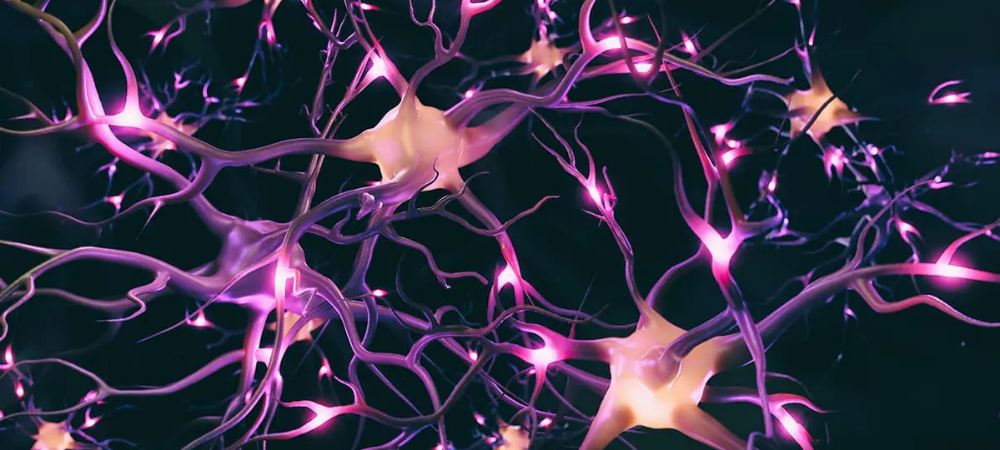
The Potential of Light Therapy for Central Nervous System Injury and DiseaseEditorial by Dr. Juanita Anders, a luminary in the field of photobiomodulation that discusses the use of light as a neuro-restorative and neuro-protective therapy for the treatment of injury and disease of the central nervous system.

Studies
Effect of Deep Tissue Laser Therapy Treatment on Peripheral Neuropathic Pain in Older Adults with Type 2 Diabetes: A Pilot Randomized Clinical TrialThis randomized, double-blind, sham-controlled, interventional pilot study assessed the safety and efficacy of deep tissue laser therapy on the management of pain, functionality, systemic inflammation, and overall quality of life of older adults with painful diabetic peripheral neuropathy. The study concluded that deep tissue laser therapy significantly reduced pain and improved the overall quality of life of older adults with painful diabetic peripheral neuropathy. Given the non-invasive nature of the intervention, its high compliance rate, and its safety profile (i.e., no known adverse or side effects), deep tissue laser therapy should be considered a safe, nonpharmacological addition to the standard of care for the management of pain in older adults with painful diabetic peripheral neuropathy. Download

Studies
Class IV Laser Therapy: Effective for Back and Neck/Shoulder PainStudy of 55 patients with low back pain who were randomized to receive either manual adjustment or adjustment followed by laser therapy. After 4 weeks, the laser therapy group had a 71% reduction in pain score (VAS) and was significantly better than manipulation alone.

Studies
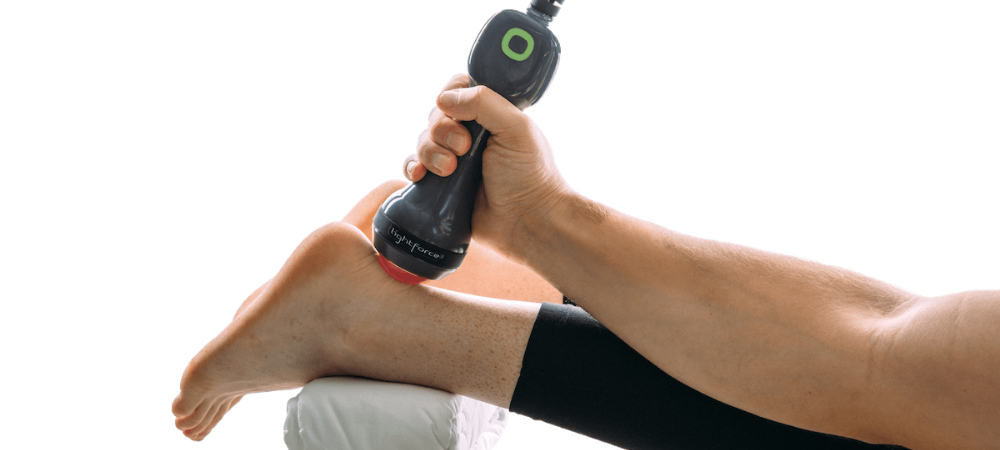
Postherpetic Neuralgia: Case Study of Class 4 Laser Therapy InterventionCase study of laser treatment on a woman diagnosed with PHN (postherpetic neuralgia). The 73-year-old woman had pain in her upper back, shoulder and arm that had lasted for 15 years after a case of shingles. Pain decreased after 8 weekly class 4 laser treatments (2 to 4 W, 3.5 to 7.1 J/cm2).
Studies
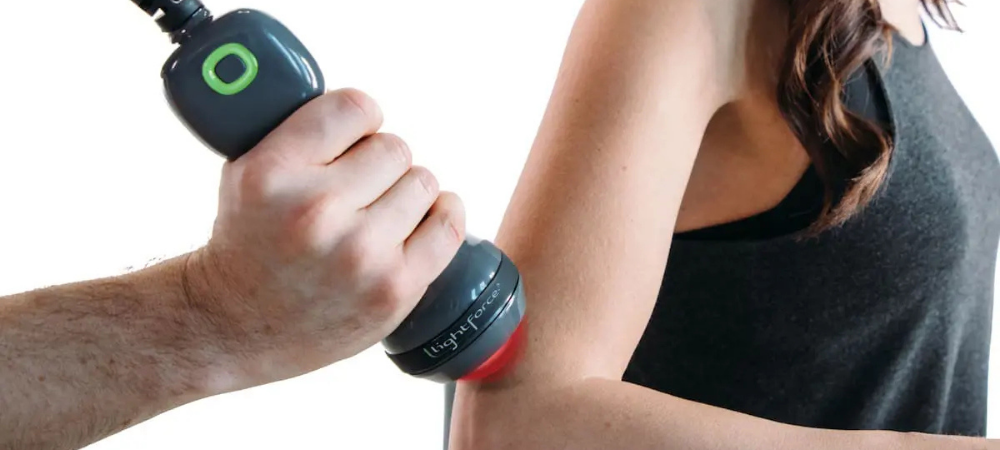
Dose Dilemmas in Low Level Laser Therapy – The Effects of Different Paradigms and Historical PerspectivesEarly paper published in 2001 that discusses the differences in dosing between laser acupuncture and laser therapy and some of the confusion in the literature.
Studies
Effect of Pulsing in Low-Level Light TherapyReview of 33 studies comparing CW and pulsed laser treatments. A common criticism of these studies is the lack of direct, like-for-like comparison of pulsed treatment to CW. The article concludes “CW is the gold standard and has been used for all LLLT applications” and “there is no consensus on the effects of different frequencies and pulse parameters on the physiology and therapeutic response of various disease states that are often treated with laser therapy. This has allowed manufacturers to claim advantages of pulsing without hard evidence to back up their claims.”

Studies
The Mechanistic Basis for Photobiomodulation Therapy of Neuropathic Pain by Near Infrared Laser LightThis study investigated the mechanistic basis of photobiomodulation therapy (PBMT) for the treatment of neuropathic pain. Cell studies were conducted at an irradiance of 300 mW/cm2, then penetration measurements were conducted to determine the treatment power needed to deliver an irradiance of 270 mW/cm2. Finally, a pre-clinical investigation of rats with the spared nerve injury (SNI) pain model was conducted. A 270 mW/cm2 dose was delivered transcutaneously to the DRG and sciatic nerve in SNI rats. The higher irradiance was found to block the pain transmission. The authors propose a combination therapy with initial high irradiance/fluence rates for fast pain relief, followed by low irradiance/fluence rates for prolonged pain relief by altering chronic inflammation. Download

Studies
Effects of Laser on Endurance of the Rotator Cuff MusclesDouble blind, cross-over study of twenty healthy subjects on endurance of the shoulder external rotator muscle group during isokinetic dynamometry. Laser or placebo was applied immediately prior to exercise. Results indicate that laser therapy increased endurance in the latter stages of endurance exercise.
Studies
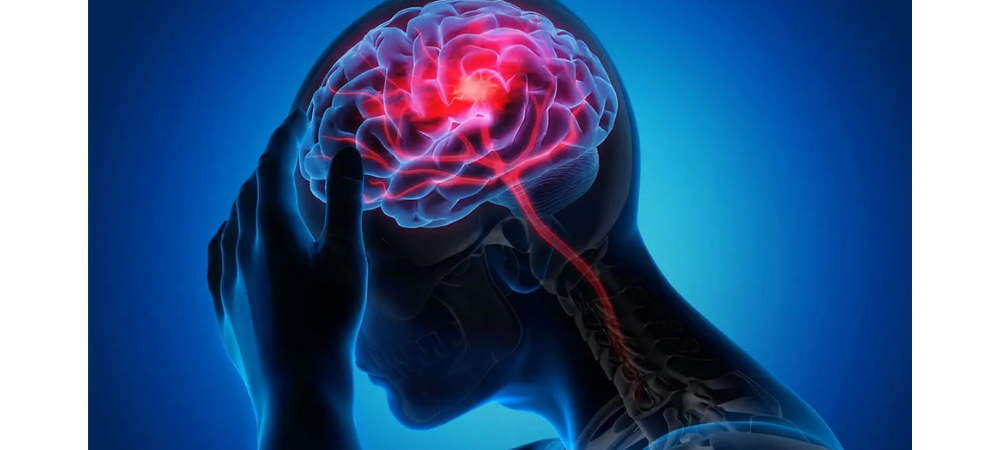
Role of Low-Level Laser Therapy in NeurorehabilitationReview that covers the mechanisms that are thought to operate at molecular and cellular levels in LLLT. Research on LLLT to treat stroke, traumatic brain injury, degenerative brain disease, spinal cord injury, peripheral nerve regeneration are summarized.