

Total Items
0
0 Item(s)

Studies
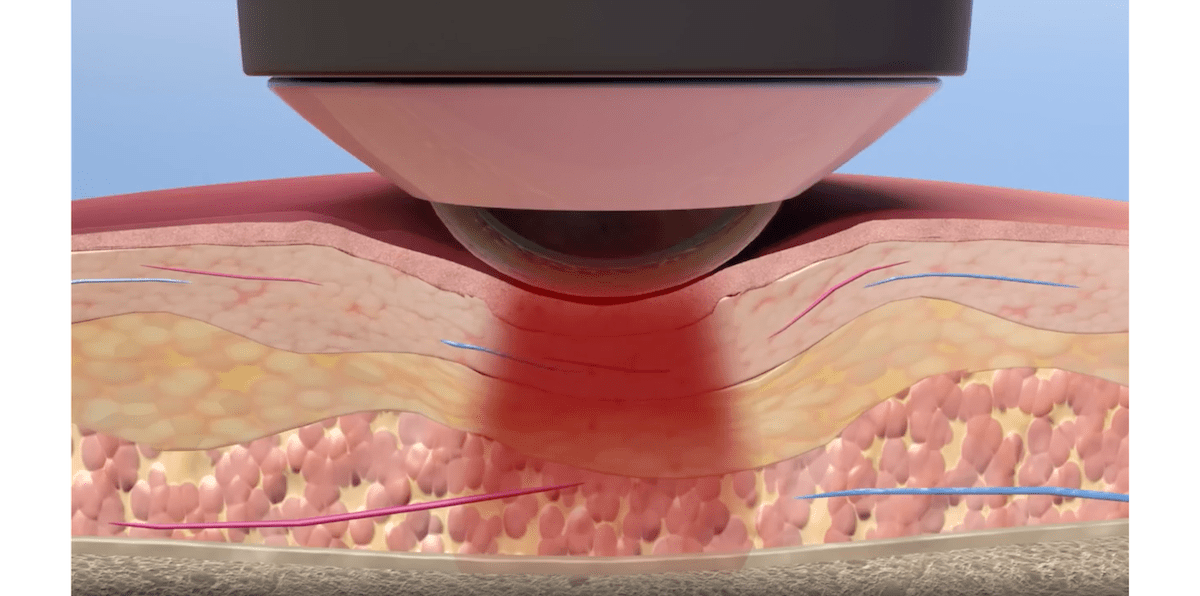
Photobiomodulation Therapy Comes of AgeIn this article learn about the history of photobiomodulation including the following key points: Optimal laser parameters The role of wavelength in determining depth of penetration Higher output lasers show results for photobiomodulation therapy NIR light may help treat brain injuries

Studies
The Effects of Photobiomodulation on Muscle Performance of the Shoulder External RotatorsThis study compared the effects of photobiomodulation therapy when it was applied to the shoulder rotator muscle group 30 minutes prior to exercise. This was a cross-over study consisting of the application of real (10 W, 10 J/cm2) or sham laser 30 minutes prior to isokinetic exercise testing. The PBM therapy increased performance compared to the sham.

Studies
Photobiomodulation Delays the Onset of Skeletal Muscle Fatigue in a Dose-Dependent MannerDouble blind, placebo controlled, crossover study to examine dose response ergonomic properties of PBM therapy. Participants received 3 different doses of NIR light: sham, 240 J, and 480 J. Outcome measures included time to task failure (TTF), muscle fatigue, and muscle activity. The 240 J dose extended TTF by 26% compared to sham. Note: the 240 J dose corresponds to about 20 J/cm2 and 480 dose is 40 J/cm2. Download

Studies
In Vitro and In Vivo Optimization of Infrared Laser Treatment for Injured Peripheral NervesTreatment parameters of infra-red laser (810 nm and 980 nm) were optimized for injured peripheral nerves in vitro using primary human fibroblasts and primary rat cortical neurons. White New Zealand rabbits were used to then translate the parameters to in vivo transcutaneous studies. The results of this study demonstrate that treatment parameters can be determined initially using in vitro models and then translated to in vivo research and clinical practice. Infrared light with optimized parameters promotes accelerated nerve regeneration and improved functional recovery in a surgically repaired peripheral nerve. Download

Studies
Characterization of Macrophage/Microglial Activation and Effect of Photobiomodulation in the Spared Nerve Injury Model of Neuropathic PainA Spared Nerve Injury model was performed on rats and mechanical allodynia was assessed with an electronic Von Frey device. A 980 nm CW laser was used for photobiomodulation (PBM) treatment. PBM treated animals began to recover after 2 treatments. The peripheral nerve injury caused an increase in pro-inflammatory microglial activation and PBM caused an increase in anti-inflammatory macrophage/microglial activity. Download
Studies
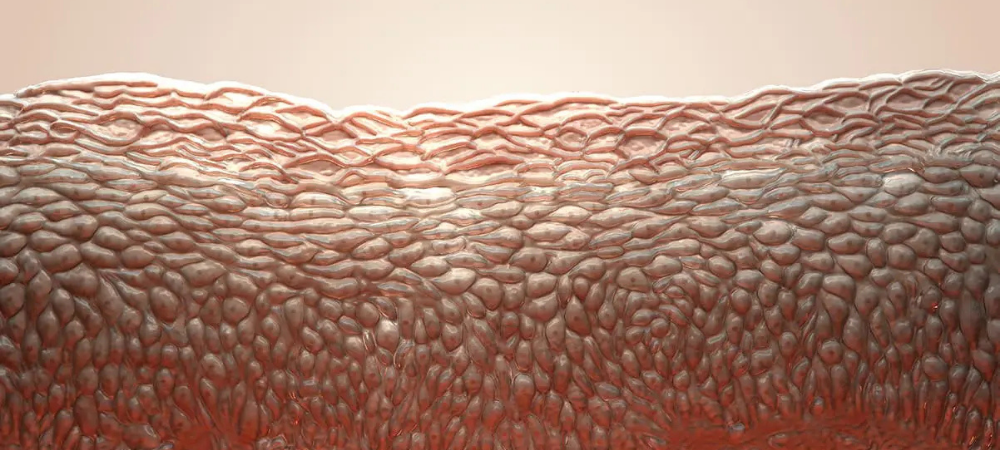
Optical Properties of Human Skin, Subcutaneous and Mucous Tissues in the Wavelength Range from 400 to 2000 nmThe absorption and reduced scattering coefficients of human skin, subcutaneous adipose tissue and mucous in the wavelength range from 400 to 2000 nm were measured. These values have been used in modelling tissue-light interactions.
Studies
Laser Photobiomodulation of Gene Expression and Release of Growth Factors and Cytokines from Cells in Culture: A Review of Human and Animal StudiesA systematic review was completed of original research papers investigating the effects of laser phototherapy on gene expression and release of these mediators from human and animal cells in culture (January 2002 to September 2009). Findings from the reviewed studies demonstrate the ability of laser irradiation to modulate gene expression and the release of growth factors and cytokines from cells in culture.
Studies
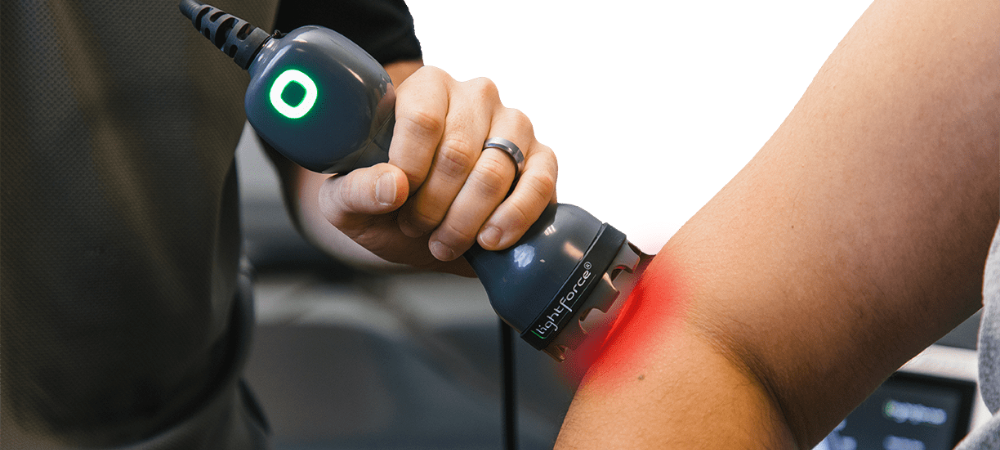
Low-Power Laser TherapyChapter on laser therapy written by one of the pioneers in the field of photobiomodulation.

Studies
International Association for the Study of Pain. “Myofascial Pain.”Position paper from the International Association for the Study of Pain that recommends the use of laser therapy in the treatment of Myofascial Pain: “Laser Therapy shows strong evidence of effectiveness for pain relief.”
Studies
Intracellular Signaling Cascades Following Light IrradiationThis paper reviews the available literature on molecular signaling pathways involved in photobiomodulation therapy stimulation for the enhancement of cell proliferation, differentiation, or apoptosis in various indications. The pathways through activating receptor tyrosine kinases are also highlighted in LLLT-induced neuroprotection, wound healing, and skeletal muscle regeneration.