

Total Items
0
0 Item(s)

White Papers
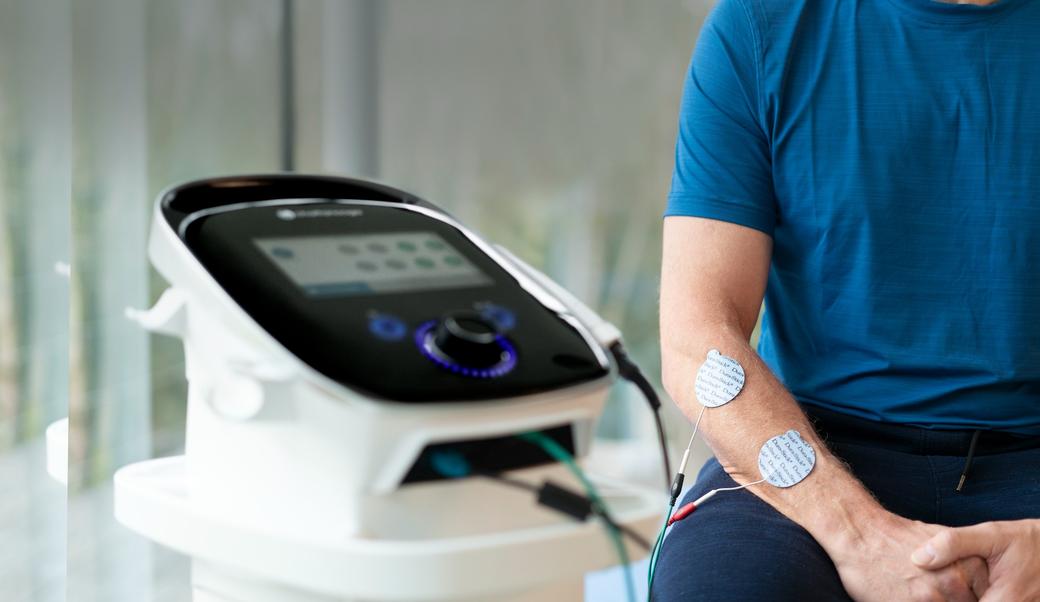
[White Paper] Chattanooga® VMS White PaperIn the evolving field of neuromuscular electrical stimulation (NMES), selecting the right waveform is critical to achieving optimal therapeutic outcomes. VMS™ (Variable Muscle Stimulation), exclusive to Chattanooga® electrotherapy devices, has recently gained increased attention for its demonstrated advantages over traditional stimulation waveforms. This white paper explores the science behind VMS electrical muscle stimulation and examines how waveform selection can significantly influence treatment effectiveness and patient comfort. From attenuating muscle atrophy to improving strength and performance, NMES has long been used as a valuable rehabilitation tool. However, its effectiveness is shaped by several factors, including current type, frequency, pulse duration, and especially waveform design. While traditional waveforms such as Russian, biphasic, and monophasic stimulation have been widely used, VMS introduces an optimized symmetrical biphasic waveform with adjustable parameters and versatile delivery options. These characteristics enable clinicians to generate stronger muscle contractions while reducing fatigue and improving circulation—making VMS a compelling, evidence-based option for both rehabilitation and performance enhancement. Inside the White Paper • An overview of Variable Muscle Stimulation (VMS™) technology and how its optimized symmetrical biphasic waveform supports effective neuromuscular electrical stimulation. • Comparisons between VMS and traditional stimulation waveforms—including Russian, biphasic, and monophasic currents—and how waveform design impacts muscle contraction and patient comfort. • Evidence-based insights into the clinical benefits of VMS, including increased muscular contractile force, reduced muscle fatigue, and enhanced local circulation to support recovery and rehabilitation.
White Papers
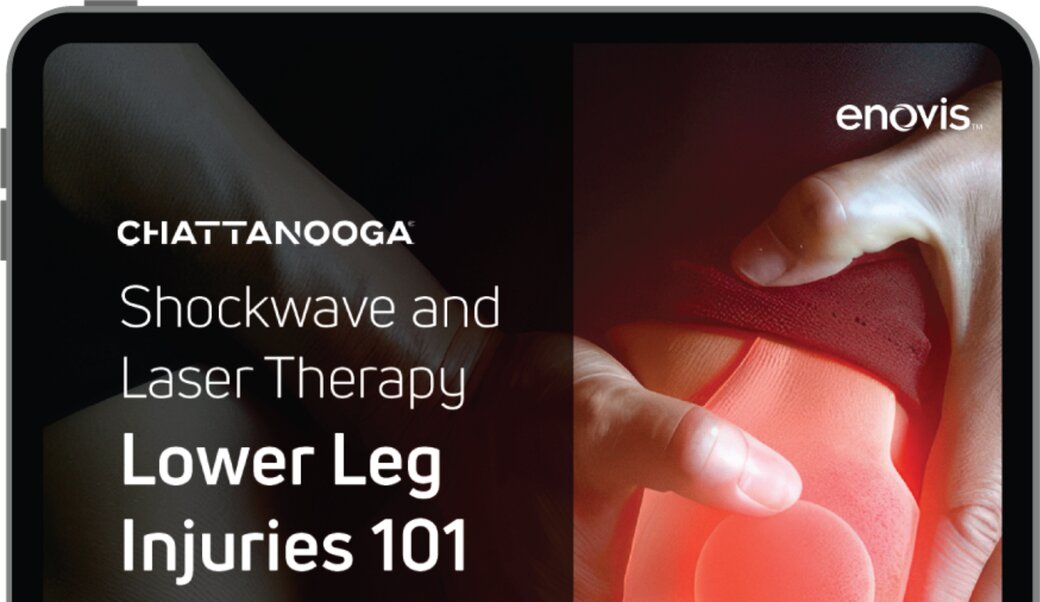
[eBook] Shockwave and Laser Therapy for Lower Leg Injuries 101Download this eBook for tips to get patients safely back to activity by keeping runners compliant with recommended care for painful lower leg and foot injuries. Inside the eBook Runners want to run, getting them safely back to activity Introduction of ESWT (FSW and RPW) for running injuries The role of shockwave in lower leg running injuries Photobiomodulation for common running injuries The Effect of High-intensity Versus Low-level Laser Therapy in the Management of Plantar Fasciitis: a Randomized Clinical Trial Clinical effectiveness of multi-wavelength photobiomodulation therapy as an adjunct to extracorporeal shock wave therapy in the management of plantar fasciitis: a randomized controlled trial Why runners love laser therapy Deep-dive webinar Running injury product toolkit
White Papers
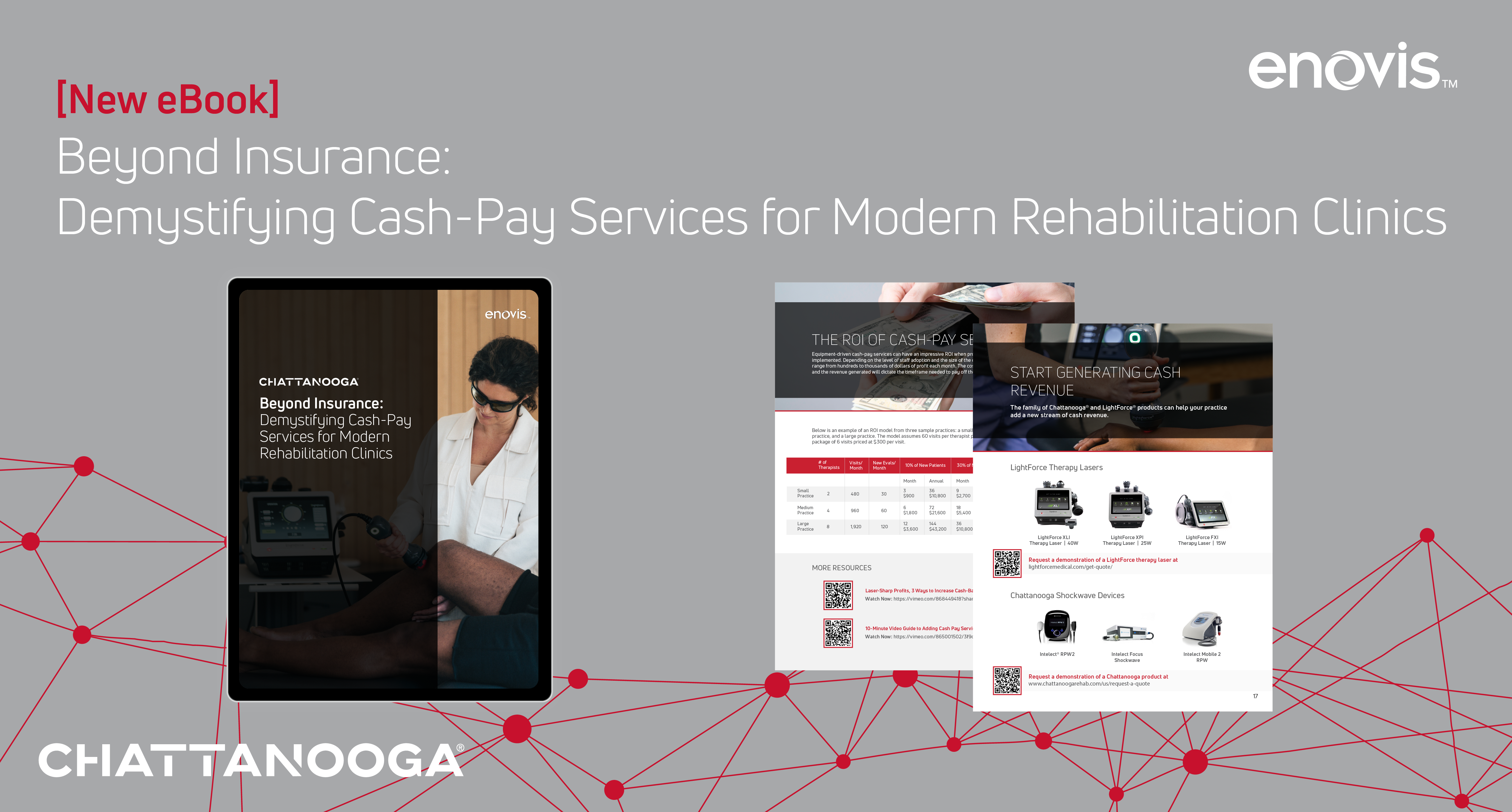
[eBook] Beyond Insurance: Demystifying Cash-Pay Services for Modern Rehabilitation ClinicsDownload this eBook for tips to add hybrid cash and third-party payer models to your physical therapy, sports medicine, or chiropractic practice. The guide includes an interactive pricing calculator to help you establish fee structures for your cash services. Inside the eBook Why clinics want to add cash-pay services The value of equipment-driven cash-pay services Using differentiators to drive referrals and growth Cash-pay pricing models The ROI of cash-pay services Interactive service pricing worksheet
White Papers
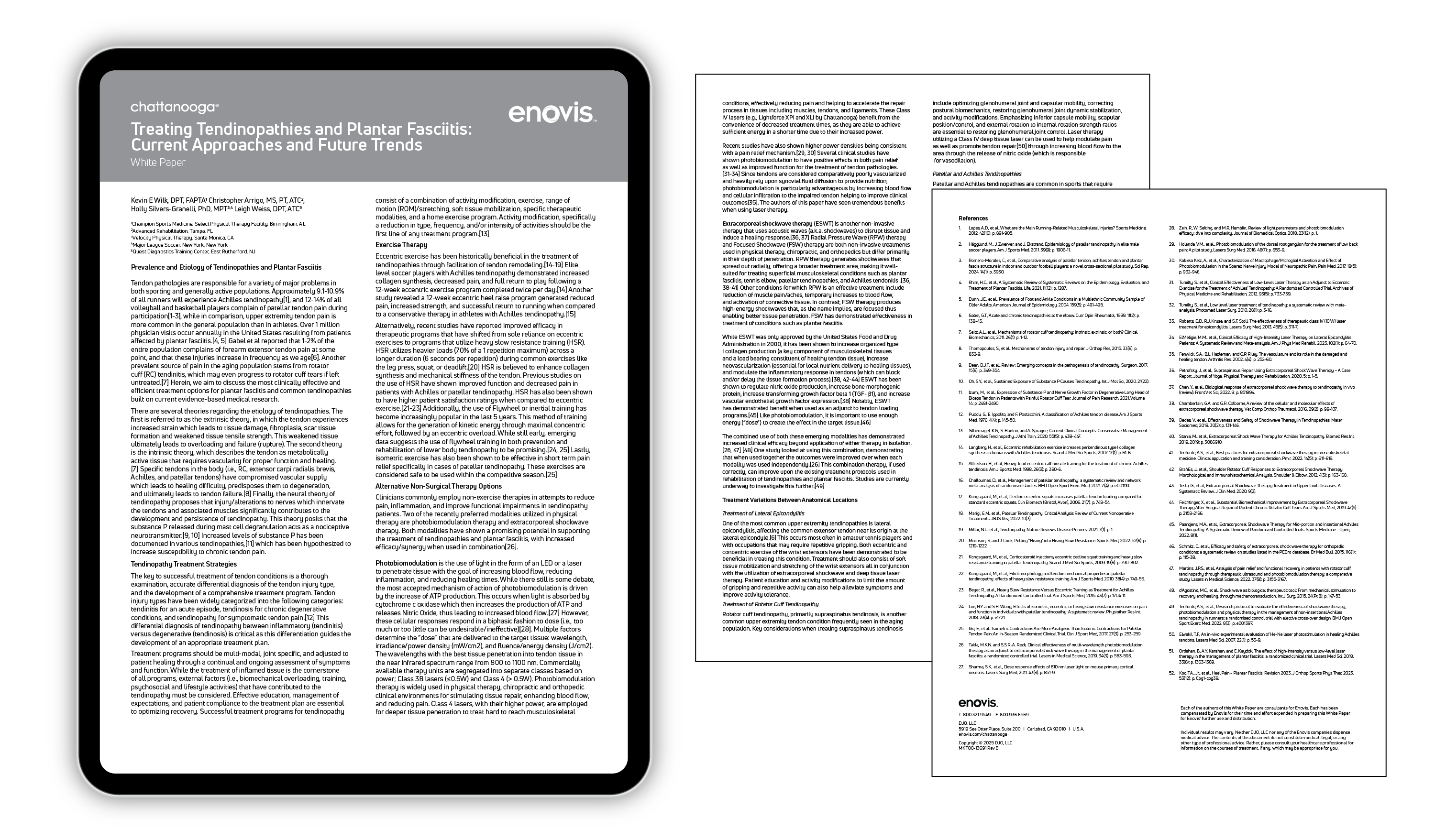
[White Paper] The Treatment of Tendinopathies in 2024 & BeyondDownload this white paper authored by renowned rehabilitation experts Kevin Wilk, DPT, FAPTA; Christopher Arrigo, MS, PT, ATC; Holly Silvers-Granelli, PhD, MPT; and Leigh Weiss, DPT, ATC*, for the latest, evidence-based strategies for treating tendinopathy and plantar fasciitis patients. Inside the White Paper In-depth guidance on emerging modalities like photobiomodulation and shockwave therapy. Exercise protocols, including heavy slow resistance and eccentric training. Practical, multimodal approaches to manage pain, inflammation, and recovery.