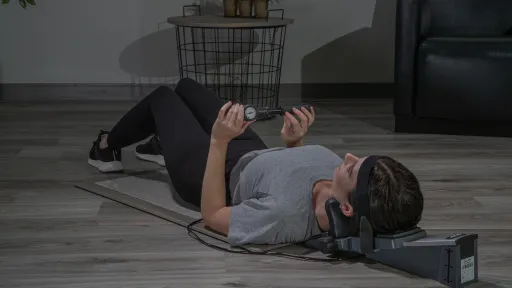
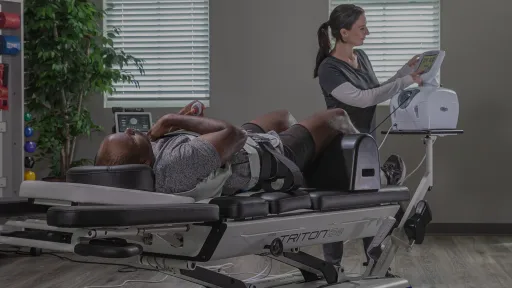
Spinal dysfunctions—especially those involving disc bulges, radiculopathy, and degenerative changes—present persistent challenges for rehabilitation professionals. Traditional traction methods have long played a role, but mechanical traction offers a game-changing blend of precision, consistency, and therapeutic effectiveness. It’s not just about “making space”—it’s about smart, strategic decompression that targets pain and enhances function.
Join Enovis™ Director of Clinical Education, Mark Callanen, PT, DPT, OCS and Dr. Wayne Starin, DC*—respected clinician and director of Epic Healthcare and Physical Medicine—for an evidence-informed exploration of how mechanical traction can be seamlessly integrated into modern musculoskeletal care. With nearly three decades of clinical experience, Dr. Starin shares practical insights and proven strategies to maximize traction’s impact on patient outcomes.
What You'll Learn:
- How mechanical traction relieves pressure on irritated nerve roots, helping improve symptoms in patients with sciatica and other radiculopathies.
- How the precision of mechanical traction systems—like Chattanooga® DTS traction tables—enables individualized treatment plans that outperform manual methods in both reproducibility and patient throughput.
- How to dial in the right tension, duration, and angle of pull using the "start low, go slow" approach—balancing patient comfort with optimal therapeutic effect.
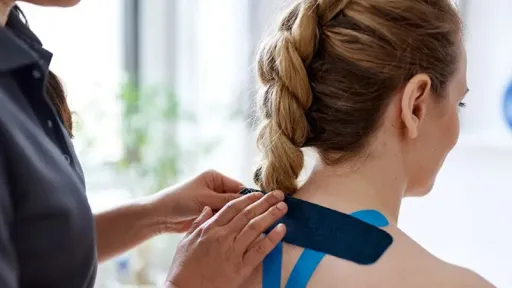
- How clinicians triage acute flare-ups versus chronic cases, using traction alongside tools like Class IV laser, NMES, and manual therapy to improve outcomes.
- Practical tips on supine vs. prone setups, cervical vs. lumbar targeting, and how to fine-tune protocols based on symptoms, sleep positions, and mechanical responses.
- How mechanical traction boosts clinic efficiency, ensures consistent care across providers, and builds patient trust through clear, repeatable treatment pathways.
This is a must-watch on-demand webinar for clinicians looking to sharpen their traction skills and elevate care quality for patients with spinal dysfunctions.
Wayne Starin, DC is a paid consultant of Enovis™. The opinions and experiences presented here are for informational purposes only.