
Total Items
0
0 Item(s)
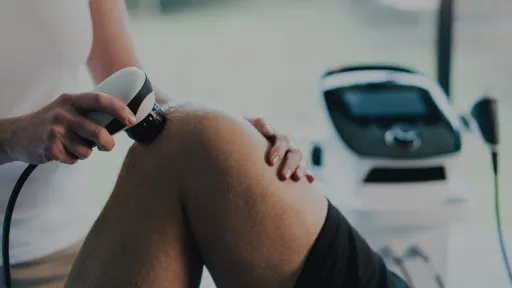
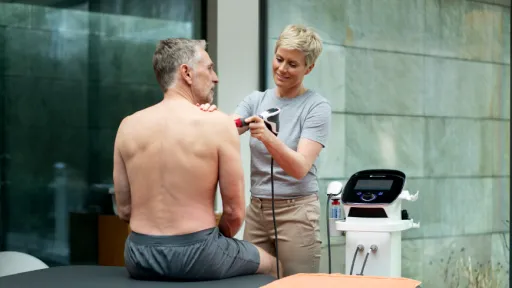
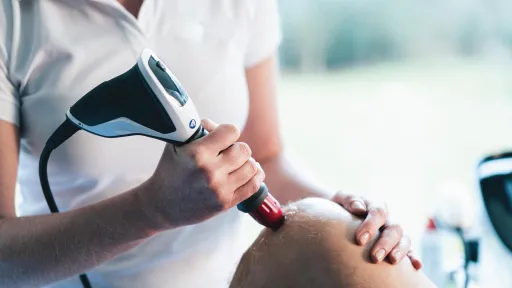
Learn more about the exciting advancements in shockwave therapy and how the technology combines with laser therapy to create a powerful treatment approach.
LightForce® has long been known for creating laser technology that uses focused light to stimulate a mitochondrial response called photobiomodulation in tissue at depth. Now as a member of the Chattanooga® team, LightForce® will offer the most effective technology for stimulating a response in dysfunctional tissue using sound waves through Chattanooga®'s shockwave devices1. Together, clinicians will have access to the most advanced modalities to treat a broader range of musculoskeletal conditions.
1 Reilly J, Bluman E, Tendorde A. Effect of Shockwave Treatment for Management of Upper and Lower Extremity Musculoskeletal Conditions: A Narrative Review. PM&R. 2018;10(12):1385-1403.

Extracorporeal Shockwave Therapy (ESWT) is a versatile modality that can be used to treat a variety of musculoskeletal dysfunctions. In this webinar, Dr. Pavel Novak, Director of Science and Technology at Storz Medical AG in Tägerwilen, Switzerland, provides insight that will help drive positive outcomes with this technology.
Dr. Novak has been involved with the design of shockwave equipment for the past 25 years in addition to conducting other biomedical research for almost 50 years. In that time, he has developed 90 patents and written more than 100 research papers and presentations. Dr. Novak's extensive experience with shockwave technology, biomedical research, and product development makes for an illuminating webinar discussion. Topics of discussion include the following:

In this on-demand webinar, Director of Clinical Education at Enovis™, Mark Callanen, PT, DPT, OCS introduces a session focused on radial pressure wave (RPW) treatment for total knee arthroplasty (TKA) patients. The webinar features an interview with David Levine, PT, PhD, DPT, MPH, CCRP, FAPTA – a physical therapist, educator, and researcher at the University of Tennessee at Chattanooga – who has extensive experience with laser and shockwave therapies.
This webinar offers a unique perspective from both a clinician and patient point of view on RPW treatment. Dr. Levine details how he takes care to avoid treating over metal implants with RPW on his TKA patients as well as how he adjusts treatment intensity for patient comfort. Dr. Levine also shares a case study of a middle-aged male patient with a TKA who experienced significant pain relief and improved range of motion after RPW treatments. Attendees will also hear from the patient at the center of the case study and how his experience with RPW treatment improved his quality of life.
Learning Objectives