
Total Items
0
0 Item(s)
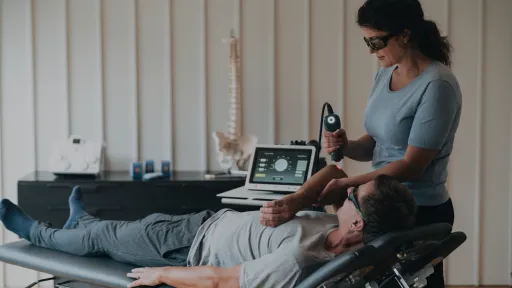
Chiropractors are focused on improving the health and wellness of their patients. Often times, patients come to chiropractors with musculoskeletal injuries and chronic conditions causing pain and inflammation. What if you could offer your patients a way to immediately reduce their pain and inflammation inside your clinic?
Laser therapy has changed the game for chiropractors by being able to provide fast results that lead to better outcomes for patients and income for their practices. In this special Q&A webinar with guest Ray Solano, DC, CCSP, we will explore how to integrate laser therapy treatment into a chiropractic clinic as well as the difference in patient satisfaction when treating with the laser.
Key topics you will learn from the webinar include:
Plus FREE Exclusive Training Videos from Dr. Solano
You will also receive exclusive training videos from Dr. Solano after you register on how to treat the lumbar region, TMJ, and tennis elbow with laser therapy.

When it comes to laser therapy, there is a lot of misinformation surrounding the technology. It can be difficult for clinicians to sift through the claims to find what stands up to the scientific evidence and what clearly falls short.
Who better to debunk the myths than a clinical research scientist in the field of photobiomodulation (PBM*)? LightForce's own Director of Photobiomodulation, Ann Ketz, brings her years as a researcher in the field of laser therapy to help clear the air and lay out the facts regarding some of the most common myths. During this webinar you will learn what's fact and fiction as we dive into:
*PBM is the name for the process of focused laser light entering the tissue and interacting at the cellular level to trigger a biological cascade of events that leads to an increase in cellular metabolism and a decrease in both pain and inflammation).

Integrating a laser therapy program can be both beneficial to patients through outcomes and to practice owners through its proven ROI. But how do you create a program so successful that you would need multiple lasers in a clinic to meet the demand from patients?
In this webinar, New Jersey practice owner, Peter Bufano, DC, shares the ingredients to a successful laser therapy program. Starting with one and growing his practice to needing five lasers in just a few short years, Dr. Bufano knows firsthand the value of marketing, patient education, and outcomes in creating a bustling laser therapy program.
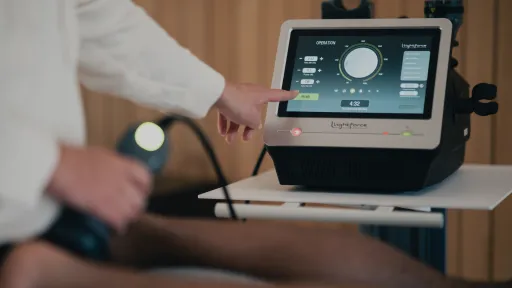
The number one question from laser therapy users is, “How do I know if I’m treating correctly?” Clinicians were asking for in-use feedback on dosing accuracy, and LightForce’s team of innovators went to work. The result? A new delivery system with the IQ that takes the guess work out of treating, providing more accurate treatments for clinicians and better outcomes for patients.
Join LightForce® for this unique webinar with special guest, Luis De Taboada, LightForce's own Chief Technology Officer, as we discover the smarts behind the new LightForce® 40W XLi and 25W XPi lasers. Attendees will learn how the lasers provide clinician confidence through:

Differentiation of Chronic vs. Acute Injury Dosing
Presented by:
Doug Adams, PT, DPT, SCS, OCS, CSCS, and co-founder of Omega Project PT
Brian Pryor, PhD, CEO of LightForce® Therapy Lasers
Mark Callanen, PT, DPT,OCS, Director of Clinical Development, LightForce® Therapy Lasers
Can outcomes be influenced by newer technology? This session will cover how Class IV laser therapy mechanistically helps address pain and treats both acute and chronic injuries. Taking a dive into photobiomodulation from recent studies to clinical outcomes in golfers and runners, this session provides an understanding of deep tissue laser therapy’s impact on short-term pain reduction and long-term tissue repair as well as how chronicity affects treatment technique in the athlete’s plan of care. The session is rounded out by further discussion on how research is helping to shape dosing parameters and protocols for different conditions.

According to the National Health Interview Survey conducted by NCHS in 2019, one out of five adults in the US have experienced chronic pain within the last three months.¹ Rehabilitation clinicians have long been sought after to help provide relief to this population through addressing various aspects of their pain complaints. Non-surgical and non-pharmaceutical solutions to reduce pain have become more important than ever in light of the recent opioid epidemic.
Laser therapy brings an evidence-based treatment option to rehabilitation practices that work daily to decrease pain. Therapeutic laser treatments promote photobiomodulation which impacts pain in a number of ways, increases cellular metabolism, and improves microcirculation to injured tissue.2-8 In this webinar, participants will learn about the mechanisms that make laser therapy an effective treatment for pain relief as well as the common applications where clinicians are experiencing desirable patient outcomes.
Join host, Mark Callanen, DPT, as he unpacks the science behind laser therapy and the studies proving its efficacy in the clinic.
1. Zelaya C, Dahlhamer J, Lucas J, Connor E. (2020, November 4). Products - Data briefs - Number 390 - November 2020. Centers for Disease Control and Prevention. https://www.cdc.gov/nchs/products/databriefs/db390.htm
2. Chow R, Armati P, Laakso E, Bjordal JM, Baxter GD. Inhibitory Effects of Laser Irradiation on Peripheral Mammalian Nerves and Relevance to Analgesic Effects: A Systematic Review. Photomedicine and Laser Surgery. 2011;11(10):1-17.
3. Duchesne E, Dufresne S, Dumont N. Impact of Inflammation and Anti-inflammatory Modalities on Skeletal Muscle Healing: From Fundamental Research to the Clinic. Physical Therapy. 2017;97(8):807-817.
4. Karu, T. (1991) “Low-Intensity Laser Light Action Upon Fibroblasts and Lymphocytes.” Ohshiro T, Calderhead RG, eds. (1991) Progress in Laser Therapy. (pp. 175-180) Chichester, New York: John Wiley and Sons.
5. Stein A, Benayahu D, Maltz L, Oron, U. Low-Level Laser Irradiation Promotes Proliferation and Differentiation of Human Osteoblasts in Vitro. Photomedicine and Laser Surgery. 2005;23(2):161-166.
6. Mvula B, Mathope T, Moore T, Abrahamse H. The effect of low level laser therapy on adult human adipose derived stem cells. Lasers in Medical Science. 2008;23(3):277-252.
7. Dube A, Bansal H, Gupta PK. Modulation of macrophage structure and function by low level He–Ne laser irradiation. Photochemical and Photobiological Sciences. 2003;2:851-855.
8. Holanda VM, Chavantes MC, Wu X, Anders JJ. The Mechanistic Basis for Photobiomodulation Therapy of Neuropathic Pain by Near Infrared Laser Light.
Individual results may vary. Neither DJO, LLC nor any of its subsidiaries dispense medical advice. The contents of this webinar do not constitute medical advice. Rather, patients must consult with their healthcare professionals for information on the courses of treatment, if any, which may be appropriate for them.

Building upon years of research in photobiomodulation (PBM), the latest clinical findings increase our collective understanding of this promising treatment and further the science behind dosing and protocols.
Join Brian Pryor, PhD, in this engaging webinar taking a deeper dive into recent studies regarding the depth of penetration and determining the optimum dosing recommendations. Attendees will leave with a greater understanding of the most recent science behind treatment protocols as well as current findings supporting the effectiveness of PBM for decreasing pain.


For the past 26 years, Frank and Barbara Costa have owned their practice, Sea Coast Chiropractic in New Jersey, and have sought to provide patients with proven techniques and treatments that work. For the past 10 years, the Costa’s have integrated laser therapy into their plans of care with results that have set them apart from other practices in their area.
In the webinar, learn how the Costa’s have used laser therapy to differentiate their practice and draw in patients. In addition, you will hear about the results their patients have experienced as well as how they have seen the demand for laser therapy take them from one to three high powered lasers in their practice.